However, turning a clean beauty vision into a commercial reality requires finding the right contract manufacturing partner. Whether you are learning how to choose a skincare OEM manufacturer for a new brand or deciding between private label and custom formulation options, matching your brand’s growth stage with the right laboratory capacity is critical to your operational success.
In this guide, we evaluate the top 9 private label skincare manufacturers in New Zealand, examine the country’s updated regulatory landscape for 2026, and outline practical supply chain strategies for growing beauty brands.
Important Update: New Zealand’s 2026 Cosmetic Regulatory Landscape
For brand owners and procurement managers, manufacturing in New Zealand in 2026 requires strict adherence to updated national environmental and safety standards. Effective January 1, 2026, the New Zealand Environmental Protection Authority (EPA) consolidated updates to the Cosmetic Products Group Standard 2020.
Key compliance updates every cosmetics brand must know include:
- PFAS Phase-Out (“Forever Chemicals”): New Zealand has introduced a ban on intentionally added perfluoroalkyl and polyfluoroalkyl substances (PFAS) in cosmetics. From December 31, 2026, the import and manufacture of cosmetics containing PFAS are prohibited. Retail sales of existing stock containing PFAS must cease by December 31, 2027.
- Expanded Scope for Hazardous Ingredients: The 2026 update expands regulatory coverage to any finished cosmetic product that contains a hazardous ingredient, even if the final blended product itself is not classified as hazardous.
- EU Regulatory Alignment (Schedules 4–8): Updates to prohibited, restricted, and permitted ingredient lists (including colorants, preservatives, and UV filters) directly align New Zealand’s requirements with recent European Union cosmetic directives.
- Enhanced Record-Keeping: New mandatory reporting and record-keeping rules apply to imported and manufactured ingredients, as well as specific notifications for formulations containing nanomaterials.
Working with established New Zealand manufacturers ensures that your formulations comply with these international-grade safety standards.
At a Glance: Top 9 Private Label Skincare Manufacturers in New Zealand
The table below summarizes New Zealand’s top contract manufacturers by location, certifications, formulation strengths, and ideal brand fit:
| Manufacturer | Location | Certifications & Standards | Primary Formulation Focus | Production Flexibility | Ideal Brand Fit |
|---|---|---|---|---|---|
| Shieling Laboratories | Auckland | cGMP ISO 22716, BioGro Organic, NATRUE | 45+ yrs exp, 2,500+ formulas, full contract filling, zero brand conflict | 5,000 sqm facility; daily capacity 100k+ units | Scaling brands, retail chains, and large-volume personal care |
| The Cosmetic Company NZ | New Zealand | Local Organic & Natural Standards | Botanical extractions, clean/vegan formulas, NZ Glacial Clay applications | Flexible small to mid-size production runs | Clean beauty startups & mineral-focused skincare lines |
| The Beauty Lab Collective | New Zealand | cGMP, ISO 9001, BioGro, NATRUE, US FDA MoCRA | 30+ yrs exp, cosmeceuticals, tanning, mineral makeup, therapeutic care | Semi/Fully automated lines; pilot scale to large runs | Brands targeting multi-market global export |
| Beauty NZ | New Zealand | Professional Beauty Standards | High-performance salon, spa, and clinical treatment formulations | Small batch runs tailored for professional outlets | Aesthetic clinics, day spas, and skin therapists |
| Designer Skincare NZ | Marlborough | GMP ISO 22716, BioGro Organic | 40+ yrs combined team exp, bespoke formulations, lab-to-label process | Climate-controlled packaging; boutique to mid-size runs | Premium indie brands & luxury niche skincare |
| Cropps NZ | Nelson | Pharmaceutical Quality Standards | In-house chemists, natural personal care, dual own-brand market experience | Flexible MOQs; competitive regional pricing | Value-conscious natural brands seeking retail-ready execution |
| Creme Factory | Nelson | Certified Organic & Natural Standards | 30+ yrs founder experience, certified organic face & body care | Structured for small to medium batch sizes | Organic startups & boutique botanical brands |
| Peerage Products | Christchurch | International Quality Standards | Turnkey R&D, personal care, solid eco-friendly oral & body care | Modern South Island facility; boutique to multi-category | Eco-conscious lifestyle brands & personal care lines |
| Cosmed Group | Auckland | OEM/ODM Compliance Standards | “Made in NZ” origin storytelling, end-to-end turnkey development | Highly flexible MOQs with scaling capability | Concept-stage brands requiring full turn-key assistance |
Detailed Profiles: 9 Private Label Skincare Manufacturers in New Zealand
1. Shieling Laboratories
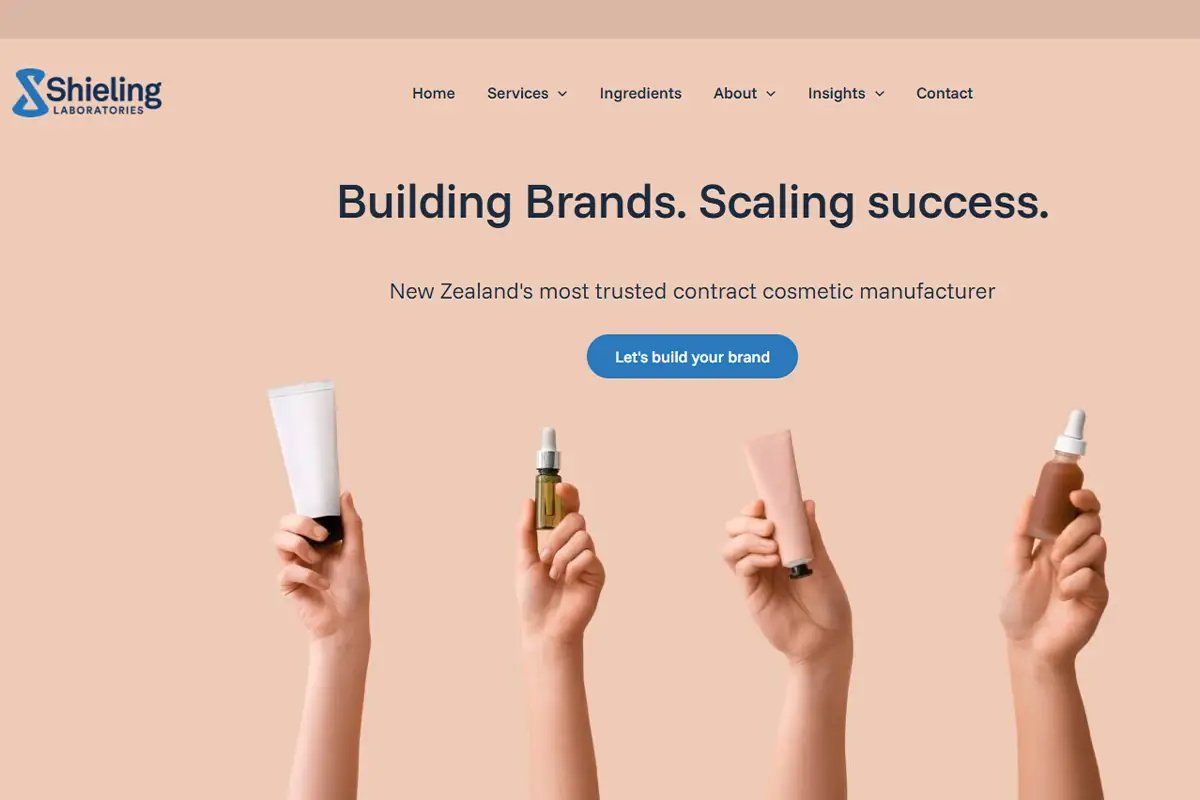
Established in 1978 and based in Mount Wellington, Auckland, Shieling Laboratories is one of New Zealand’s largest contract manufacturers. Operating from a 5,000-square-meter cGMP-certified facility with a team of over 130 professionals, Shieling works exclusively as a dedicated contract manufacturer.
- Capabilities & Certifications: Accredited with cGMP ISO 22716, NATRUE, and BioGro Organic certifications. Shieling maintains an R&D library of over 2,500 tested formulations spanning facial skincare, haircare, personal care, and specialized pet care.
- Scale & Services: Features a daily filling capacity exceeding 100,000 units. Their structured five-stage process (Viability Assessment, R&D, Strategic Sourcing, Manufacturing, and Packaging) accommodates batch sizes from 1,000 to over 100,000 units.
- Commercial Policy: Shieling maintains a strict “No Own-Brand Conflict” policy, ensuring complete focus on client intellectual property and brand growth.
2. The Cosmetic Company NZ
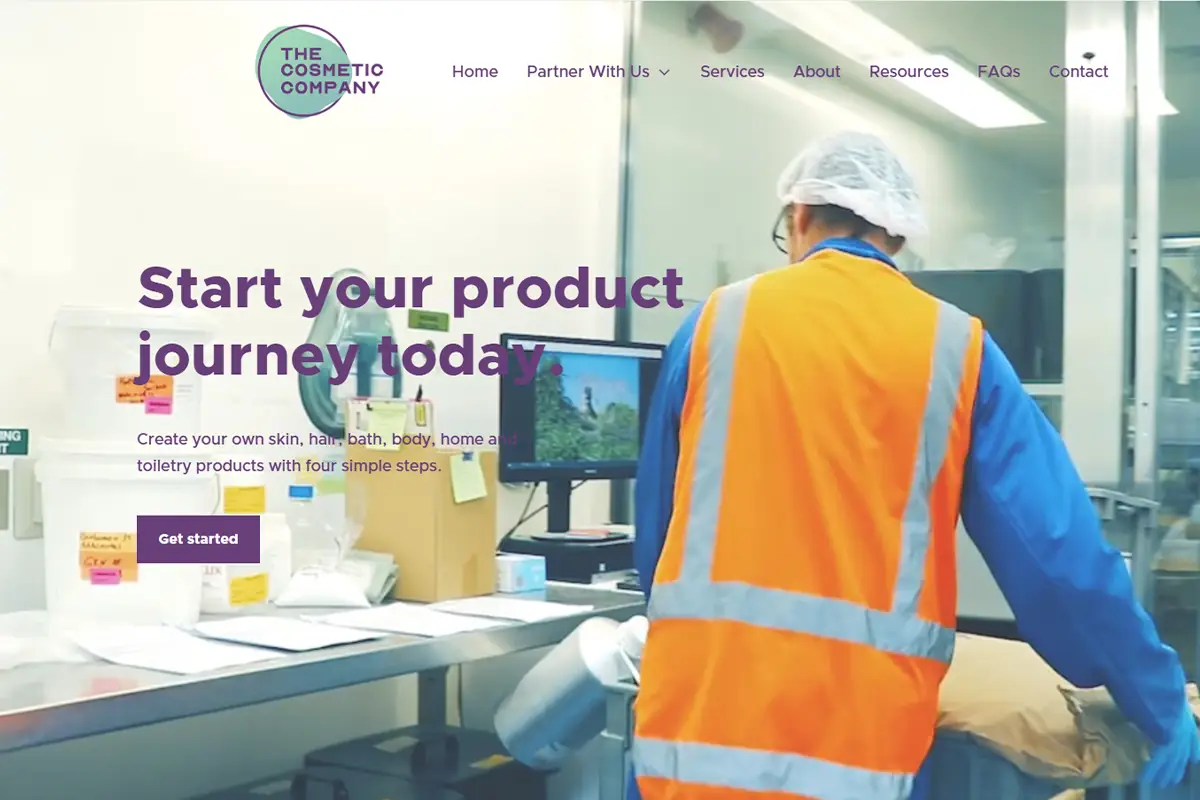
The Cosmetic Company NZ is a specialized contract manufacturer known for converting natural botanicals into commercial skincare formulations.
- Formulation Focus: Backed by specialized cosmetic chemists, the company focuses on clean, organic, and cruelty-free product development. They have extensive experience incorporating native New Zealand ingredients, such as proprietary processing of NZ Glacial Clay for mask and cream applications.
- Services: They offer concept-to-customer development, assisting brands with ingredient selection, custom formulation, and compliant packaging assembly.
3. The Beauty Lab Collective
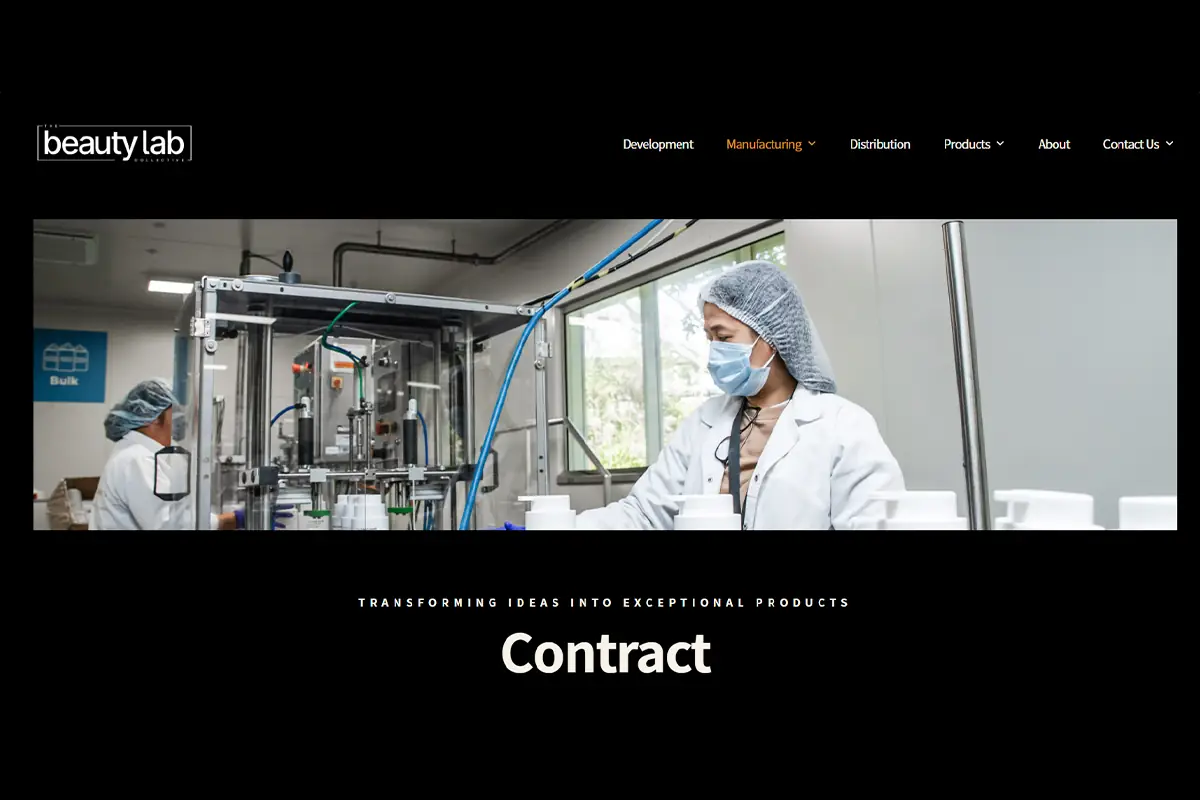
With over 30 years of manufacturing experience, The Beauty Lab Collective (TBLC) operates a purpose-built, cGMP-compliant production facility serving domestic and international clients.
- Regulatory Focus: TBLC holds a comprehensive set of quality certifications, including ISO 9001, BioGro Organic, NATRUE, and US FDA MoCRA registration. This enables their manufacturing clients to export products seamlessly into North American and European markets.
- Product Breadth: TBLC manufactures across multiple categories, including facial skincare, personal care, salon haircare, mineral cosmetics, and medicated therapeutic products.
4. Beauty NZ
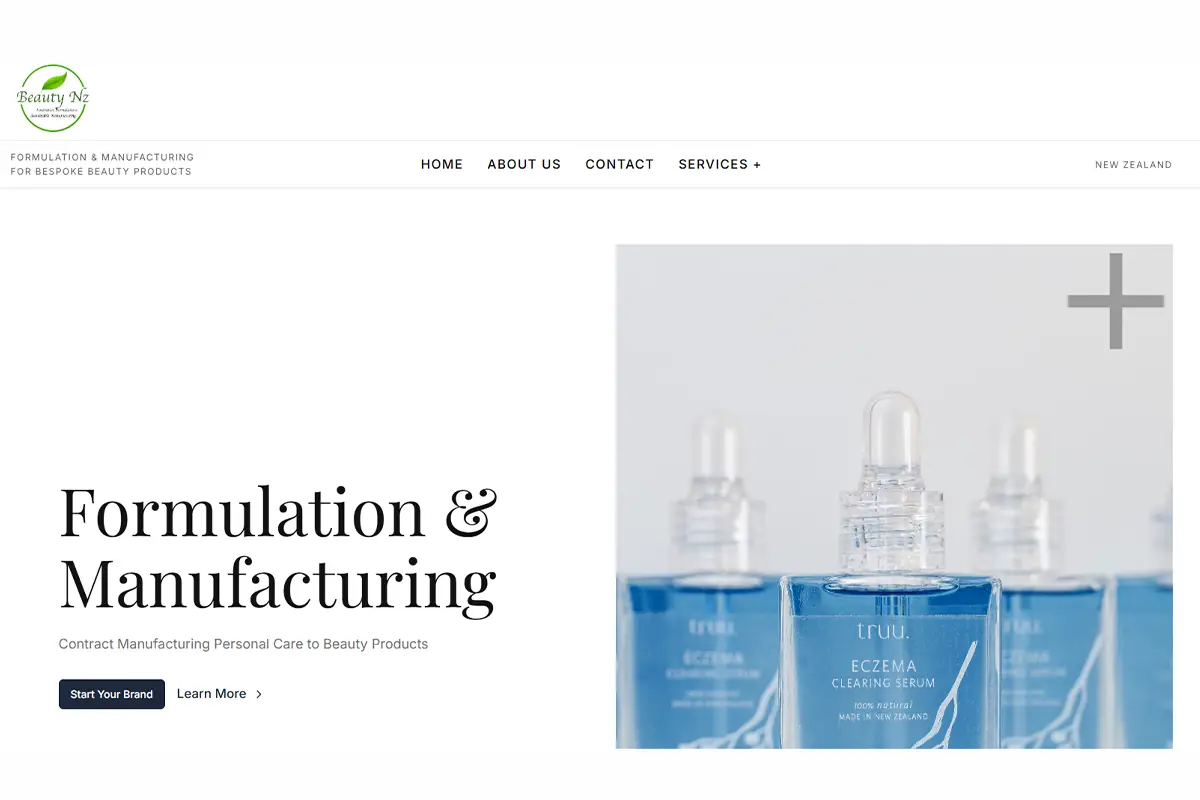
Beauty NZ serves as a key manufacturing and supply partner within New Zealand’s professional aesthetic and salon sector.
- Market Position: Beauty NZ focuses primarily on professional beauty salons, day spas, and aesthetic skin clinics across Australasia.
- Specialization: They specialize in high-performance treatment formulations engineered for professional protocols and post-procedure skin care. Their flexible manufacturing setup allows clinic owners to develop branded professional ranges without excessive order volumes.
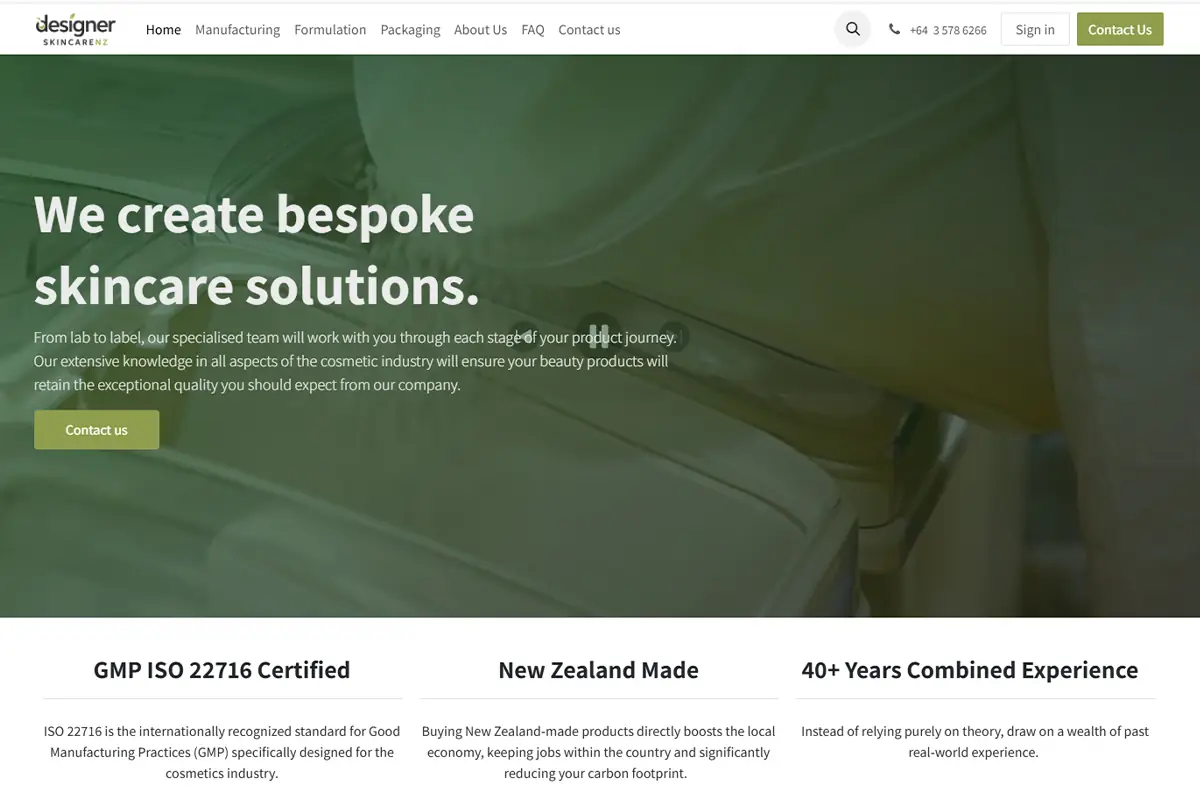
5. Designer Skincare NZ
Located in Blenheim within the Marlborough region, Designer Skincare NZ brings over 40 years of combined technical expertise to custom skincare manufacturing.
- Quality Control: Operating a GMP ISO 22716 certified and BioGro registered facility, Designer Skincare NZ follows a meticulous lab-to-label formulation process. Their climate-controlled packaging areas and analytical QC laboratory conduct thorough testing for pH balance, specific gravity, viscosity, and microbiological stability.
- Bespoke Services: They excel in developing custom creams, serums, facial oils, and exfoliating treatments, helping indie brands translate unique concept ideas into stable products.
6. Cropps NZ
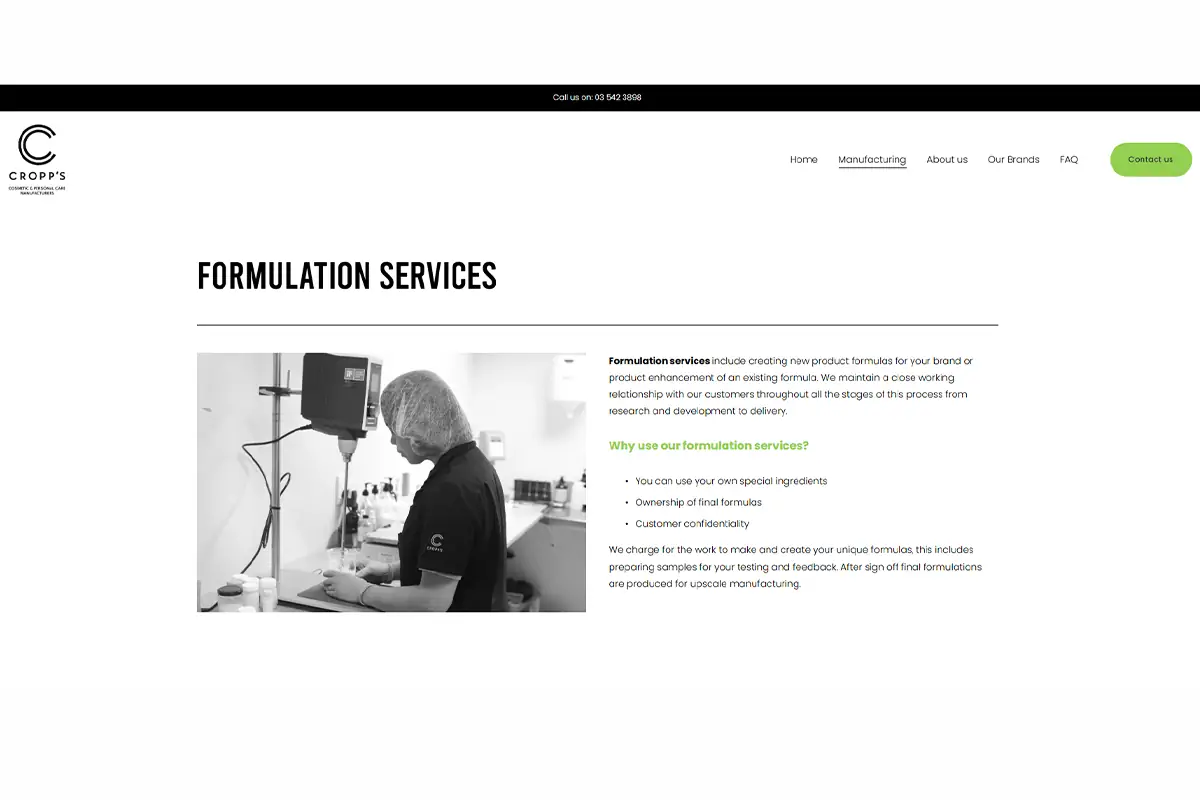
Based in Nelson, Cropps NZ is an established manufacturer of natural cosmetics, personal care, and hygiene products.
- Technical Discipline: Supported by in-house qualified chemists, Cropps manufactures according to pharmaceutical-grade operational standards.
- Dual Industry Experience: Cropps operates both as a contract manufacturer and as a producer of its own established retail brands (such as Bees Brilliance). This practical retail experience gives them clear operational insight into container compatibility, labeling regulations, and shelf-life requirements.
7. Creme Factory
Creme Factory Ltd, located in Nelson, was founded by natural skincare pioneer Carol Priest, who brings over three decades of organic formulation expertise.
- Organic Leadership: The company focuses on certified organic and natural facial, body, and baby care formulations. Their R&D capabilities include functional products such as anti-pollution shields, barrier repair balms, and brightening treatments.
- Small-Batch Support: Creme Factory’s facility is specifically structured to handle small to medium production runs, making them an accessible partner for emerging brands. Every batch undergoes independent laboratory micro-testing for yeast, mold, and bacteria.
8. Peerage Products
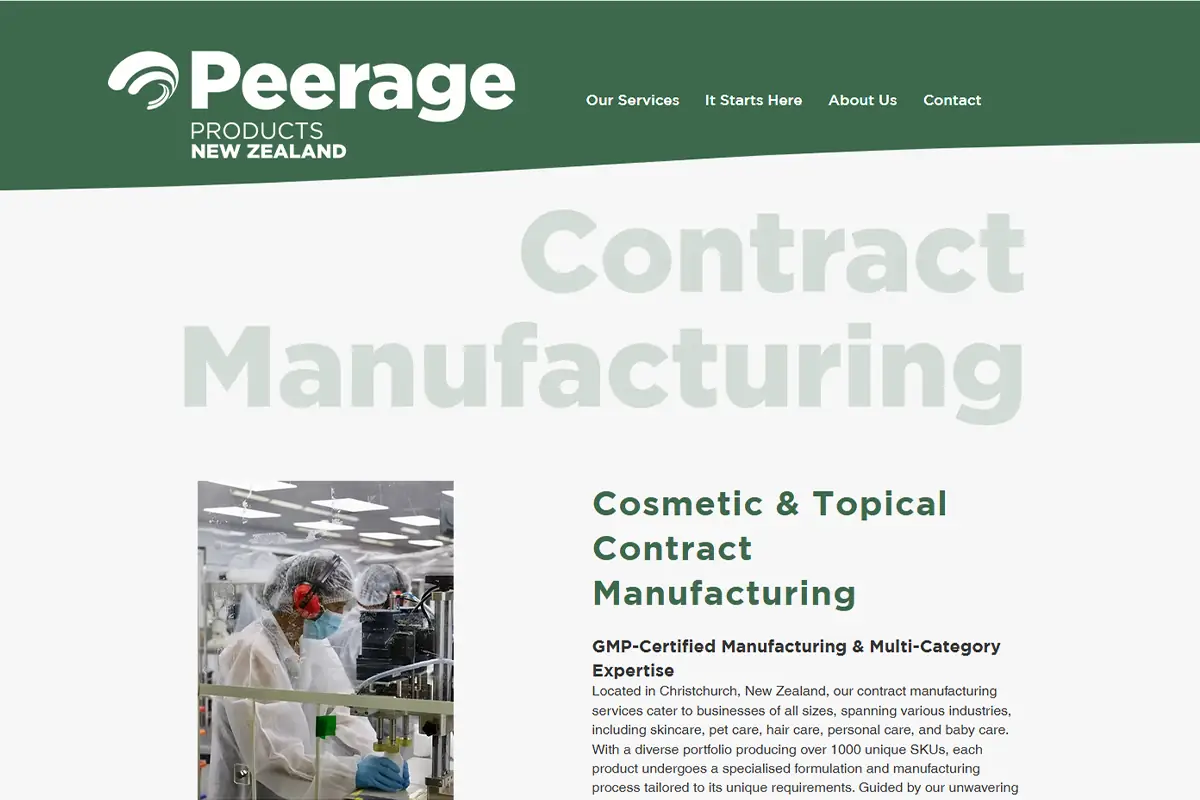
Situated in Christchurch, Peerage Products operates under the Tumblar Products group, providing full-service contract manufacturing across New Zealand’s South Island.
- Product Portfolio: Peerage manages a broad product scope ranging from boutique face creams and cleansers to larger-volume body care and haircare lines.
- Sustainable Packaging Formats: Peerage has expanded its technical capabilities to support eco-conscious product formats, including solid toothpaste tablets, waterless bars, and reduced-plastic packaging.
9. Cosmed Group
Headquartered in Auckland, Cosmed Group provides turnkey OEM/ODM contract manufacturing for brands seeking an integrated path from concept to finished goods.
- Origin Storytelling: Cosmed Group specializes in helping brands build authentic “Made in New Zealand” product narratives, incorporating native botanical extracts while meeting export compliance requirements.
- Flexible MOQs: By offering adaptable minimum order quantities, Cosmed Group enables new brands to conduct small-batch market testing before scaling up production volumes.
Supply Chain Strategy: Balancing Local Production and Global Expansion
New Zealand manufacturers provide significant advantages in brand positioning, native botanical sourcing, and high regulatory compliance. The “Made in New Zealand” label carries substantial consumer trust in international markets, particularly across Asia-Pacific and North America.
As beauty brands grow, their operational requirements often evolve. While local New Zealand laboratories are ideal for flagship botanical lines and core “hero” products, brands planning rapid international expansion across multiple SKUs may evaluate a dual-track manufacturing strategy:
- Core Heritage Lines (Local NZ Manufacturing): Retain production of key botanical face oils, Manuka honey creams, and native clay masks with New Zealand partners to maintain authentic origin claims and BioGro/NATRUE certifications.
- Specialized or High-Volume Lines (Global ODM Partnerships): For specific high-volume personal care SKUs, specialized packaging formats, or targeted active stabilization, brands often partner with international ODM manufacturers.
When evaluating global manufacturing partners, companies like Shangpinhui Biotechnology Co., Ltd. serve as a complementary production partner for expanding brand portfolios:
- Active Ingredient Stabilization: For targeted functional formulations, Shangpinhui provides technical expertise in active delivery systems, such as microencapsulated 377 formulations and managing niacinamide stability through precise pH control.
- Advanced Bio-Tech Ingredients: Shangpinhui supports complex ingredient integration, such as incorporating fermented peptide actives into anti-aging lines.
- Scalable Output: Operating Class 100,000 cleanroom facilities, Shangpinhui offers flexible manufacturing support for brands expanding across global e-commerce channels, complementing the capabilities of regional manufacturers like those found among private label skincare manufacturers in Australia.
Strategic Manufacturing Allocation
| Brand Growth Stage | Recommended Sourcing Allocation | Primary Objective |
|---|---|---|
| Stage 1: Launch & Concept Validation | 100% Local NZ Contract Manufacturer (e.g., Cosmed Group, Creme Factory) | Establish brand authenticity, leverage “Made in NZ” narrative, test local market with manageable MOQs. |
| Stage 2: Regional Portfolio Growth | Hybrid Sourcing: NZ Manufacturer for native botanical lines; Regional ODM for specialized packaging | Maintain core brand identity while introducing specialized SKUs or professional salon products. |
| Stage 3: Global E-Commerce Scaling | Dual-Track Supply Chain: NZ facilities for organic hero products; Shangpinhui Biotechnology for global high-volume runs | Optimize unit costs, secure supply chain redundancy, and expand functional active skincare portfolios globally. |
4-Step Checklist for Launching Your Skincare Line
Executing a successful product rollout with any contract manufacturer requires systematic planning:
- Prepare a Clear Request for Proposal (RFP): Define your target market, benchmark textures, desired active ingredients, and target unit costs before reaching out. Reviewing key steps on what information to prepare before asking for an OEM quote will streamline lab communications.
- Establish Product Specifications: Verify lab testing protocols, including stability, centrifugal separation, and preservative challenge testing (PCT). When developing specialized serum formulations, evaluate candidates using standards for a serum manufacturer for private label products.
- Plan Development Timelines Realistically: Custom formulation involves sample iterations, stability testing, raw material lead times, and regulatory packaging reviews. Align your launch calendar with a realistic custom skincare development timeline.
- Clarify IP and Business Terms: Ensure clear agreements regarding formula ownership, batch variation tolerances, and quality assurance standards by understanding the differences between OEM and ODM business models.
Frequently Asked Questions (FAQ)
How do New Zealand’s 2026 EPA regulatory updates affect private label skincare brands?
The 2026 EPA updates prohibit the manufacture and import of cosmetics containing intentionally added PFAS by December 31, 2026. Brands must audit their raw material supply chains to ensure all ingredients comply with the revised Schedules 4–8. Working with established cGMP-certified New Zealand manufacturers ensures that your product documentation meets these mandatory compliance standards.
What are the typical Minimum Order Quantities (MOQs) for skincare manufacturers in New Zealand?
MOQs vary depending on the facility and packaging format. Boutique manufacturers like Creme Factory and Cosmed Group offer flexible initial production runs starting around 500 to 1,000 units per SKU. Larger contract facilities like Shieling Laboratories cater to scale production, accommodating batches from 1,000 up to 100,000+ units.
Can New Zealand contract manufacturers assist with organic certifications?
Yes. Several top New Zealand manufacturers—including Shieling Laboratories, The Beauty Lab Collective, and Designer Skincare NZ—hold BioGro Organic and NATRUE facility accreditations. They can formulate products according to organic standards and assist you through the certification auditing process.
What is the advantage of a dual-track supply chain for a growing skincare brand?
A dual-track strategy allows a brand to maintain its core identity and native story by producing hero SKUs locally in New Zealand, while partnering with large-scale international manufacturers like Shangpinhui Biotechnology for specialized active lines or high-volume global distribution. This approach balances brand equity with supply chain elasticity and margin control.