Hair growth oil has become one of the most commercially attractive product directions in private label hair care. The category is being shaped by three clear forces: the consumer shift toward scalp-first routines, the visibility of rosemary oil and castor oil in social and ecommerce channels, and the demand for ritual-based hair care products that feel more premium than standard shampoo or conditioner.
Market and ecommerce data also support this direction. Industry research projects continued growth for the global hair oil market through 2035, while Amazon keyword data shows strong product competition and search activity around “rosemary oil for hair growth.” For private label brands, this means hair growth oil is not just a trend product. It is a product format with clear consumer demand, strong ingredient recognition, flexible positioning, and room for formula differentiation.
For brands building a private label hair care line — whether entering the market for the first time or expanding from shampoo, conditioner, or scalp serum — hair growth oil can be a strong entry point. It has a clear ingredient story, attractive retail pricing potential, relatively compact packaging, and good compatibility with D2C, Amazon, salon, and natural beauty channels.
This guide explains how to develop a private label hair growth oil with an OEM/ODM manufacturer, including product types, rosemary and botanical oil formulas, oil vs serum differences, packaging, stability, MOQ, claim direction, and custom formula development.
If you are still comparing broader manufacturer options before choosing a hair oil supplier, our global private label hair care manufacturers guide explains how different OEM/ODM regions and supplier types compare. If your brand is deciding between oil-based products and peptide scalp serums, our GHK-Cu vs Redensyl vs Capixyl ingredient comparison explains the formula logic behind water-based scalp actives.
Quick takeaway: Private label hair growth oil is best for brands that want a natural, botanical, scalp-first, or ritual-based hair care product. Pure oil formulas are ideal for rosemary, castor, peppermint, jojoba, argan, and botanical oil blends. Water-soluble actives such as GHK-Cu, Redensyl, Capixyl, and caffeine usually require a scalp serum or oil-serum hybrid system rather than a simple anhydrous oil.
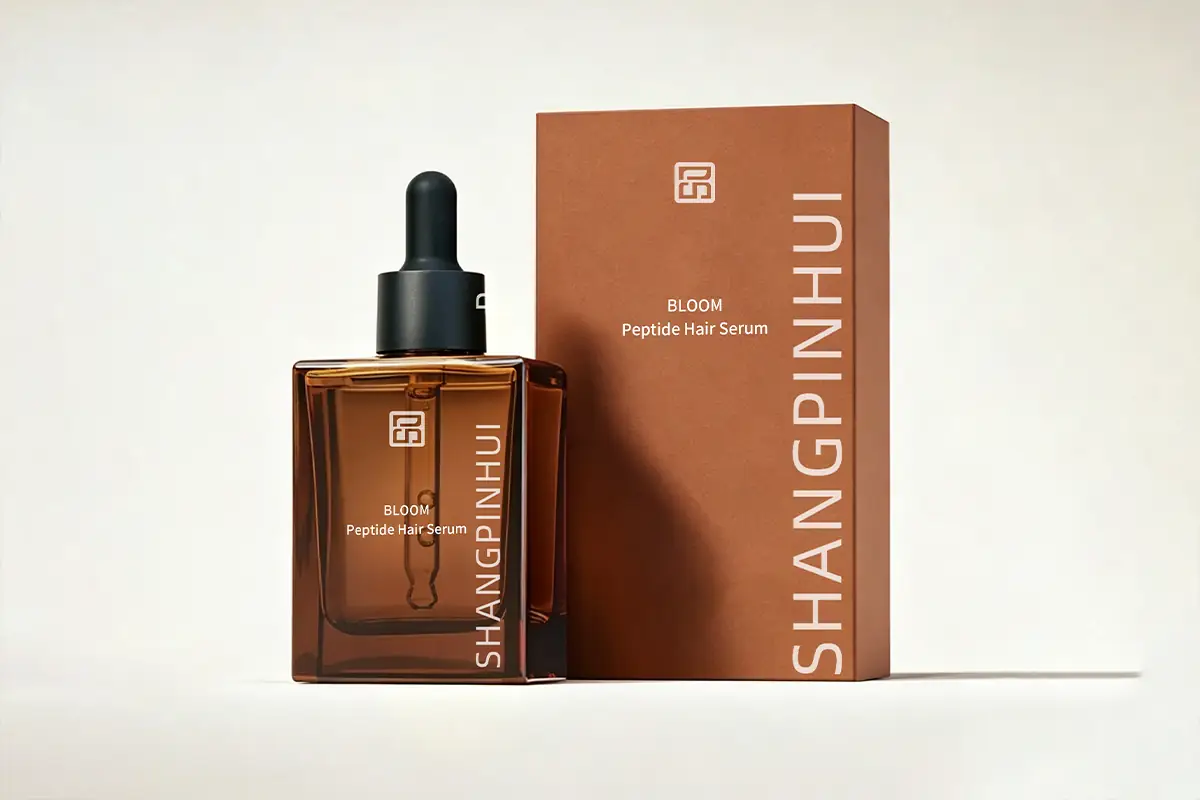
What Is a Private Label Hair Growth Oil?
A private label hair growth oil is a finished oil-based or oil-hybrid product produced by a manufacturer and sold under your own brand name. The brand defines the product concept, target customer, formula direction, packaging, fragrance, claim language, and market positioning. The OEM/ODM manufacturer handles formula development, sampling, production, filling, quality control, and documentation.
In the hair care market, “hair growth oil” can describe several different product formats. These formats look similar to consumers, but they are very different from a formulation and manufacturing perspective.
Scalp Serum Oil
A scalp serum oil is a lightweight oil or oil-serum hybrid applied directly to the scalp. It is usually packed in a dropper bottle or targeted scalp applicator. This format is suitable for premium scalp care, hair density support, anti-thinning support, and treatment-style routines.
Scalp Growth Oil
A scalp growth oil is usually a medium-weight oil blend designed for scalp massage. The product experience matters: the texture, warmth of massage, botanical fragrance, and ritual feeling are part of the selling point. Rosemary oil, castor oil, jojoba oil, and peppermint oil are common directions in this format.
Rosemary Hair Oil
Rosemary hair oil has become one of the most recognizable product directions in the category. It is often built around rosemary essential oil blended into a lighter carrier oil system such as jojoba, argan, fractionated coconut oil, or sweet almond oil. The advantage is consumer recognition: many shoppers already understand rosemary oil as a scalp and hair growth support ingredient.
Castor Growth Blend
Castor growth blends are richer, heavier, and more treatment-like. They are often used as overnight scalp treatments or pre-wash oils. Castor oil has strong heritage positioning and is especially familiar in natural hair, textured hair, and traditional beauty communities. From a formulation perspective, it usually needs to be blended with lighter oils to reduce heaviness and improve spreadability.
Multi-Use Hair and Scalp Oil
A multi-use hair oil can be applied to both scalp and hair fiber. It is the most commercially accessible format because it can be positioned for shine, softness, scalp care, pre-wash treatment, frizz control, and daily hair finishing. This makes it useful for brands that want a broader retail product rather than a narrow scalp treatment.

Why Private Label Hair Growth Oil Is a Strong Product Opportunity
Hair growth oil gives brands several commercial advantages compared with basic shampoo and conditioner. It is smaller, easier to ship, visually suitable for premium packaging, and built around ingredient stories that perform well in social content and ecommerce product pages.
For many private label brands, the strongest opportunity is not only “hair growth.” It is the combination of scalp care, natural oils, massage ritual, fuller-looking hair, and visible routine building. A customer can use shampoo once every few days, but a scalp oil can become part of a weekly or nightly care ritual. That creates stronger repeat purchase potential and more room for product education.
The category also gives brands flexibility. A startup can launch with a simple rosemary hair oil. A salon brand can develop a scalp massage oil. A premium D2C brand can create an oil-serum hybrid with active ingredients. A natural beauty brand can build a castor and botanical oil story. A men’s grooming brand can focus on peppermint, caffeine, and lightweight scalp care.
This is why private label hair growth oil works well as a standalone SKU, but even better as part of a system: hair growth oil + scalp shampoo + scalp serum + hair mask. When developed correctly, the products support each other rather than competing for the same role.
Hair Growth Oil vs Scalp Serum: Why the Base System Matters
This is one of the most important formulation decisions in hair growth product development. Hair growth oil and scalp serum are not the same product, even if both are packed in dropper bottles and used on the scalp.
A hair growth oil is oil-continuous. It is best for oil-soluble ingredients, essential oils, carrier oils, botanical oil extracts, scalp massage rituals, and nourishment-based product stories. Rosemary oil, peppermint oil, castor oil, jojoba oil, argan oil, marula oil, and botanical oil blends all fit naturally into this system.
A scalp serum is usually water-continuous or emulsion-based. It is better for water-soluble actives such as GHK-Cu, Redensyl, Capixyl, caffeine, niacinamide, peptides, panthenol, and many fermentation-derived ingredients. These ingredients usually do not simply dissolve into a pure oil base.
A hybrid oil-serum sits between the two. It can combine an oil phase with a water phase, making it possible to include both botanical oils and water-soluble scalp actives. However, this creates higher formulation complexity because the product now needs emulsification, preservation, stability testing, and packaging compatibility review.
For private label brands, the practical rule is simple:
- Choose a pure oil formula for rosemary oil, castor oil, peppermint oil, jojoba oil, argan oil, and botanical scalp massage positioning.
- Choose a water-based scalp serum for GHK-Cu, Redensyl, Capixyl, caffeine, peptides, and intensive hair density support actives.
- Choose an oil-serum hybrid when your product needs both a botanical oil story and functional water-soluble actives.
This distinction matters because choosing the wrong base system can lead to poor texture, unstable actives, separation, heavy scalp feel, weak product claims, or disappointing user experience.
Key Ingredients in Private Label Hair Growth Oil Formulas
Oil-based and oil-hybrid formulas have a different ingredient logic from shampoo or water-based scalp serum. The carrier oil, essential oil concentration, oxidation stability, fragrance profile, viscosity, and packaging all shape the final product.
Rosemary Oil
Rosemary oil is the dominant hero ingredient in the current hair growth oil category. It has high consumer awareness, strong clean beauty positioning, and a clear scalp care association. For a private label brand, this makes rosemary oil one of the easiest botanical ingredients to explain on a product page, social post, or Amazon listing.
A frequently cited study comparing rosemary oil with 2% minoxidil helped increase consumer interest in rosemary-based hair products. However, brands should not treat rosemary oil as a drug equivalent. In cosmetic hair care, rosemary oil is best positioned as a scalp care and hair growth support ingredient, not as a medical hair loss treatment.
In formulation, rosemary essential oil must be diluted into a carrier oil system. The final use level should follow supplier guidance, IFRA limits, and the intended product format. For leave-on scalp oils, the formula should balance efficacy perception with scalp comfort, because excessive essential oil can increase irritation risk.

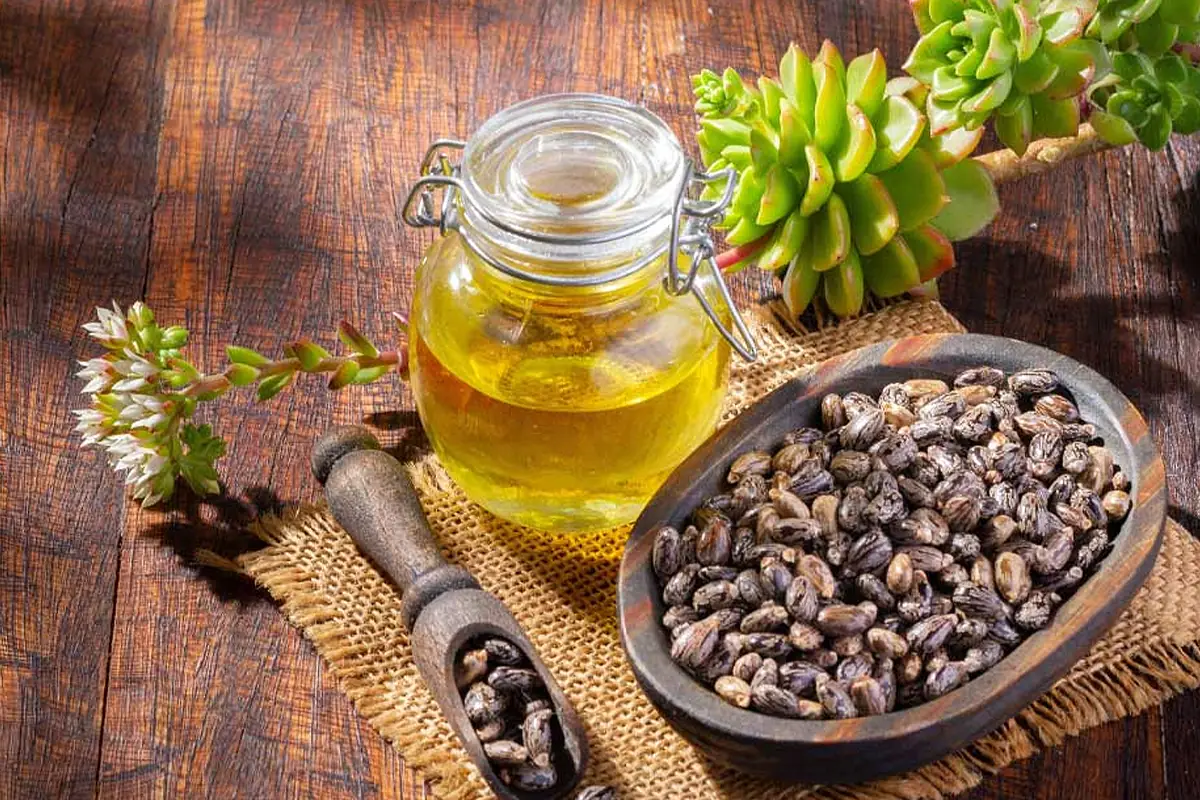
Castor Oil
Castor oil is one of the most recognized oils in traditional hair growth and natural hair care routines. Its rich, viscous texture gives the product an intensive treatment feel, especially for overnight use or pre-wash scalp oiling.
From a B2B formulation perspective, castor oil is valuable because consumers already associate it with stronger, thicker-looking hair. Its main challenge is texture. A formula based only on castor oil can feel sticky, heavy, and difficult to apply evenly to the scalp.
A better private label castor growth oil usually blends castor oil with lighter oils such as jojoba, sweet almond, argan, or fractionated coconut oil. This keeps the heritage story while improving sensory performance.
Peppermint Oil
Peppermint oil gives a cooling, tingling sensation on the scalp. This sensory effect is powerful from a marketing perspective because consumers often associate the feeling with scalp stimulation and freshness.
Peppermint oil is especially useful in men’s scalp care, salon scalp treatments, and stimulating hair growth oil concepts. However, it must be used carefully. Too much peppermint oil can feel harsh or irritating in leave-on formulas, especially for sensitive scalps.
The OEM manufacturer should review peppermint oil concentration, fragrance allergens, IFRA guidance, and the target customer group before finalizing the formula.
Jojoba Oil
Jojoba oil is technically a liquid wax. It is lightweight, stable, and less greasy than many common plant oils. This makes it one of the best carrier choices for scalp-applied hair growth oils.
Jojoba is suitable for premium scalp oils, oily scalp formulas, and brands that want a clean, non-heavy texture. It also has strong positioning value because many consumers recognize it from skincare and hair care.
Argan Oil
Argan oil has strong consumer recognition in hair care. It is often associated with shine, softness, frizz control, and premium hair treatment products. In scalp oil formulas, argan oil can support a more luxurious product story.
Argan is especially useful for multi-use hair and scalp oils because it can speak to both scalp nourishment and hair fiber conditioning.
Fractionated Coconut Oil
Fractionated coconut oil, often listed as caprylic/capric triglyceride, is lightweight, stable, and cost-effective. It is commonly used as a base oil in clean beauty formulas because it spreads well and has a low odor profile.
Its main limitation is weaker hero-ingredient recognition. It is excellent as a base but usually needs rosemary, castor, argan, jojoba, or botanical extracts to create a stronger marketing story.
GHK-Cu, Redensyl, Capixyl, and Caffeine in Oil-Based Products
GHK-Cu, Redensyl, Capixyl, and caffeine are important hair density and scalp care actives, but they are not simple oil ingredients. Many of these actives are water-soluble or supplied in systems that require careful formulation.
If your brand wants to use these actives as hero ingredients, a water-based scalp serum or oil-serum hybrid is usually more appropriate than a pure anhydrous oil. This is why product strategy should come before ingredient selection. A rosemary castor oil and a Redensyl scalp serum may both support hair growth positioning, but they require different bases, different testing, different packaging, and different claim language.
For a deeper comparison of these actives, the GHK-Cu vs Redensyl vs Capixyl hair growth ingredient guide explains which active fits which private label scalp serum direction.
Hair Growth Oil Product Types and Format Options
| Product Type | Texture | Key Ingredients | Packaging | Best Positioning |
|---|---|---|---|---|
| Rosemary Hair Growth Oil | Light to medium | Rosemary oil, jojoba, argan, vitamin E | Amber or green glass dropper | Natural hair growth support, clean beauty, D2C |
| Castor Growth Blend | Medium to rich | Castor oil, sweet almond, rosemary, peppermint | Pump or squeeze bottle | Natural hair, textured hair, overnight treatment |
| Lightweight Scalp Oil | Light, fast-absorbing | Jojoba, fractionated coconut oil, argan, herbal oil extracts | Dropper or scalp nozzle | Daily scalp care, non-greasy formula, urban consumers |
| Men’s Scalp Oil | Light to medium | Peppermint, rosemary, tea tree, caffeine-compatible hybrid | Dropper, spray, or pump | Men’s grooming, anti-hair-loss support, scalp freshness |
| Oil-Serum Hybrid | Very light emulsion | GHK-Cu, caffeine, botanical oils, fermentation-derived actives | Airless bottle or dropper | Premium scalp serum, hair density support, advanced OEM formula |
| Multi-Use Hair Oil | Light to medium | Argan, marula, jojoba, vitamin E, botanical fragrance | Pump bottle | Salon, mass market, shine, frizz control, scalp care extension |
What to Consider When Developing a Custom Hair Growth Oil Formula
1. Scalp-First or Hair-Fiber-First?
The first question is whether your product is mainly for the scalp or the hair fiber. Scalp-first oils should be lighter, non-heavy, and easy to apply at the root area. Hair-fiber oils can be richer because their job is to coat the cuticle, improve shine, reduce frizz, and support softness.
Many brands make the mistake of using a heavy hair-fiber oil as a scalp treatment. The result is greasy roots, buildup, and poor repeat use. A good private label hair growth oil should match the formula base to the intended application zone.
2. Carrier Oil Oxidative Stability
Oils can oxidize over time, especially when exposed to light, oxygen, and heat. Oxidation can create rancid odor, color shift, viscosity change, and irritation risk. This is why carrier oil selection matters.
Jojoba and fractionated coconut oil are generally more stable. Argan and sweet almond oil are useful but need antioxidant support. More delicate oils with high unsaturated fatty acid content may need stricter stabilization and darker packaging.
A qualified OEM manufacturer should conduct stability testing before bulk production, especially if the formula contains multiple plant oils, essential oils, or botanical extracts.

3. Essential Oil Concentration and IFRA Review
Essential oils such as rosemary, peppermint, tea tree, lavender, and ginger oil can strengthen the product story and sensory experience. But they also carry fragrance allergen and irritation considerations.
For leave-on scalp products, essential oil levels should be reviewed carefully. The formula should follow supplier guidance, IFRA category limits, and target market requirements. A product designed for sensitive scalp, daily use, or mass-market retail should be especially careful with essential oil concentration.
4. Packaging Compatibility
Oil-based products need packaging that can handle long-term contact with oils and essential oils. Glass dropper bottles are common for premium scalp oils because they feel high-end, protect the formula, and reduce compatibility concerns.
Amber, cobalt blue, or green glass can help protect oils from light exposure. For larger-format oils, pump bottles may be more convenient. Not every plastic material is suitable for essential-oil-rich formulas, so packaging compatibility testing should be completed before final production.

5. Claim Direction
Hair growth oil is commercially attractive, but claim wording should be handled carefully. Cosmetic brands can usually position products around scalp care, fuller-looking hair, stronger-feeling hair, hair density appearance, and hair growth support routines.
Stronger medical-style claims such as “regrows hair,” “treats alopecia,” “stops hair loss,” or “works like minoxidil” should be reviewed carefully before use, especially in export markets.
A responsible OEM/ODM manufacturer should help brands consider formula direction, claim wording, ingredient support, packaging, testing, and market requirements before production.
MOQ, Lead Time, and OEM Development Process
Private label hair growth oil can be developed through several routes. The right route depends on your budget, timeline, formula uniqueness, packaging needs, and launch strategy.
| Development Route | Best For | Typical MOQ | Typical Lead Time |
|---|---|---|---|
| White Label Stock Formula | Fast launch, simple rosemary or castor oil product | Usually 500–1,000 units depending on supplier | 4–8 weeks |
| Semi-Custom Formula | Customized fragrance, texture, carrier oil, or hero actives | Usually 1,000–2,000 units | 8–12 weeks |
| Fully Custom OEM Formula | Unique brand concept, oil-serum hybrid, multi-active scalp care system | Usually 1,000–3,000 units depending on formula and packaging | 3–6 months including testing |
Standard documentation may include COA, MSDS/SDS, product specifications, formula information, stability support, packaging compatibility records, and market-specific documentation such as CFS, LOA, FDA-related support, or CPSR support for the EU market when required.
Why Work with a China-Based OEM Manufacturer for Hair Growth Oil?
For brands that are not limited by a “Made in USA” or “Made in Europe” positioning requirement, a China-based OEM/ODM partner can be a practical choice for private label hair growth oil development. This is especially true when the product needs botanical formula depth, flexible packaging, cost-efficient scaling, multi-SKU line development, or export documentation support.
Shangpinhui Biotechnology Co., Ltd. is a China-based OEM/ODM cosmetics manufacturer supporting private label and custom hair care development for international brands. For hair growth oil and scalp care products, our development direction focuses on scalp-first formula logic, botanical decoction extracts, fermentation-derived actives, Centella-based soothing systems, anti-dandruff active systems, oil-serum hybrid development, and moisturizing film-forming technologies.
3,000+ Mature Hair Care Formula Library
Shangpinhui Biotechnology Co., Ltd. supports brands with over 3,000 mature hair care formulas, including scalp oils, herbal growth oil concepts, shampoo, conditioner, repair masks, leave-in sprays, scalp serums, and multi-active hair care systems. This allows brands to start from a proven base or develop a new custom formula according to target market, price point, packaging, and claim direction.
Botanical Decoction Extracts for Scalp Oil Concepts
Instead of simply adding isolated plant extracts into a base oil, botanical decoction extract systems can support a richer herbal ingredient story. This direction is useful for brands developing rosemary scalp oil, ginger scalp oil, Centella soothing scalp oil, herbal growth oil, and botanical anti-hair-loss support products.
In OEM formulation, the challenge is not only choosing plants. The formula must also control odor, color, oxidation, viscosity, sedimentation, scalp feel, and packaging compatibility.
Fermentation-Enhanced Oil-Serum Hybrid Development
For scalp serum oil products that include a water phase, Shangpinhui Biotechnology Co., Ltd. can support fermentation-enhanced scalp care concepts, including Saccharomyces/Rice Ferment Filtrate at 98% purity and low molecular weight. This type of active is more suitable for oil-serum hybrids or emulsion-based scalp products than pure anhydrous oils.
This gives brands a stronger technical story when they want more than a simple rosemary oil or castor oil blend.
GHK-Cu Scalp Serum Oil Development
GHK-Cu is not a simple oil-soluble ingredient, so it requires a more controlled formula system. Shangpinhui Biotechnology Co., Ltd. can support emulsion-based scalp serum formats, pH-controlled systems, packaging compatibility review, preservation design, and stability testing for peptide-inspired scalp care concepts.
This is useful for brands that want to build a premium scalp care product around peptide technology while still keeping an oil-serum sensory profile.
MOQ and Multi-SKU Line Development
MOQ can start from 1,000 units per SKU, depending on formula type, packaging, customization level, and project requirements. For brands building a full hair growth system — for example rosemary scalp oil + anti-dandruff shampoo + scalp serum + repair mask — single-manufacturer development can reduce formula inconsistency and simplify project coordination.
Brands planning a complete private label hair care line can review our private label hair care product development capabilities to see how hair oil, shampoo, conditioner, scalp serum, repair mask, anti-dandruff care, and styling products can be organized into one product system.
If you already have a target formula direction, packaging idea, or launch quantity in mind, you can discuss a private label hair growth oil project with our OEM/ODM team before sampling.

Matching Your Hair Growth Oil to the Right Market Segment
Different customers expect different textures, claims, ingredients, and packaging. Before sampling, brands should decide which market segment they want to serve.
Natural and Clean Beauty Segment
These consumers care about botanical ingredients, clean label language, and simple but recognizable formulas. Rosemary oil, castor oil, jojoba oil, argan oil, and vitamin E are strong ingredient directions. Glass dropper packaging and minimal label design usually fit this segment well.
Clinical and Functional Segment
These consumers are more ingredient-literate and more likely to compare scalp serums, peptides, caffeine, Redensyl, Capixyl, GHK-Cu, and hair density actives. For this segment, a pure oil may not be enough. A lightweight oil-serum hybrid or water-based scalp serum can support a stronger technical product story.
Natural Hair and Textured Hair Segment
This segment often values richer textures, scalp nourishment, moisture, curl support, and heritage ingredient recognition. Castor oil, Jamaican black castor oil concepts, rosemary, shea butter oil, sweet almond oil, and rich treatment blends can work well.
Men’s Scalp and Grooming Segment
Men’s scalp care often benefits from a lighter feel, clear application method, and strong sensory signals such as cooling, freshness, or scalp stimulation. Peppermint oil, rosemary oil, tea tree oil, caffeine-compatible hybrids, and spray or nozzle packaging can be useful in this segment.
Salon and Mass Market Segment
For salon and mass market products, ingredient recognition and daily usability matter. A multi-use hair and scalp oil with argan, rosemary, jojoba, vitamin E, or lightweight botanical oils may be easier to sell than a highly technical scalp treatment.
Recommended Reading
This article is part of our Hair Care SEO/GEO content cluster. These guides support each other across manufacturer comparison, ingredient education, regional sourcing, and commercial product development.
- Private Label Hair Care Manufacturers: Global Overview
- Top Private Label Hair Care Manufacturers in Europe
- Top Private Label Hair Care & Shampoo Manufacturers in the USA
- Hair Care Ingredients for Private Label Brands
- GHK-Cu vs Redensyl vs Capixyl: Hair Growth Ingredient Comparison
Frequently Asked Questions
What oil is best for private label hair growth oil?
Rosemary oil is one of the strongest hero ingredients for private label hair growth oil because it has high consumer recognition and a clear scalp care story. Castor oil is better for rich overnight treatments and natural hair routines. Jojoba oil, argan oil, and fractionated coconut oil are useful when the brand wants a lighter, less greasy scalp oil. The best choice depends on the target customer, texture preference, price point, and claim direction.
What is the best oil for fast hair growth product positioning?
For cosmetic product positioning, brands should be careful with “fast hair growth” claims. A more practical approach is to build a strong scalp care story around rosemary oil, peppermint oil, castor oil, caffeine-compatible systems, or botanical oil blends. Rosemary oil is usually the easiest hero ingredient to market, while peppermint oil adds a cooling scalp sensation and castor oil gives a richer treatment feel. Final claims should focus on scalp care, fuller-looking hair, stronger-feeling hair, and hair growth support routines rather than guaranteed fast regrowth.
Do hair growth oils really work?
Hair growth oils can support a healthier-looking scalp environment, improve the feel of dry or brittle hair, help with scalp massage routines, and make hair look smoother, stronger, and fuller. However, cosmetic hair growth oils should not be positioned as drug treatments for hair loss or baldness. For private label brands, the key is to build a well-balanced formula, choose suitable oils, control essential oil levels, use stable packaging, and write market-appropriate cosmetic claims.
What is the MOQ for private label hair growth oil manufacturing?
MOQ depends on the formula type, packaging, customization level, and manufacturer. A stock or semi-custom rosemary hair growth oil usually has a lower MOQ than a fully custom oil-serum hybrid formula. For Shangpinhui Biotechnology Co., Ltd., MOQ can start from 1,000 units per SKU depending on the project, with support for hair growth oil, scalp serum, shampoo, conditioner, repair mask, and full private label hair care line development.