The conversation around hair care has changed. For years, product development in this category focused almost entirely on the hair fiber — shampoos to cleanse it, conditioners to smooth it, masks to repair it, and styling products to control it.
That logic still matters. But it is no longer enough.
Consumers are now treating the scalp more like facial skin. They are asking about scalp balance, buildup, dandruff, oiliness, sensitivity, hair growth support, thinning appearance, and ingredient mechanisms. This shift creates a much bigger opportunity for private label brands — but it also makes formula direction more complex.
This guide is written for brand founders, sourcing teams, and product developers who are planning a private label hair care line and need to understand how ingredients connect with product formats, claim direction, market positioning, and OEM/ODM formulation logic.
If you are still comparing manufacturing options, you may also want to read our global guide to private label hair care manufacturers.
Quick takeaway: For private label hair care brands in 2026, the winning formula direction is no longer “shampoo + conditioner only.” The stronger strategy is to build a scalp-first system that connects cleansing, scalp balance, growth support, repair, and leave-in protection across multiple SKUs.
Quick Answer: Key Hair Care Ingredients by Product Type
Different hair care formats need different ingredient systems. A scalp serum, a hair growth oil, an anti-dandruff shampoo, and a repair mask cannot be developed with the same formula logic. The table below gives a quick B2B overview before we go deeper into each direction.
| Product Type | Core Ingredient Direction | Market Positioning |
|---|---|---|
| Scalp Cleanser / Shampoo | Salicylic acid, zinc PCA, niacinamide, tea tree oil, piroctone olamine | Scalp balance, oil control, anti-dandruff, microbiome-friendly scalp care |
| Hair Growth Serum | Rosemary oil, caffeine, GHK-Cu, Redensyl, Capixyl, niacinamide | Hair density appearance, scalp activation, anti-hair-loss support |
| Repair Conditioner / Hair Mask | Hydrolyzed keratin, amino acids, ceramides, panthenol, bond-building systems | Damage repair, smoother hair fiber, stronger-feeling hair, salon-style care |
| Hair Growth Oil / Scalp Oil | Rosemary oil, castor oil, peppermint oil, botanical oil blends, vitamin E | Natural hair growth support, scalp massage ritual, clean beauty positioning |
| Leave-In Spray | Panthenol, hyaluronic acid, lightweight film formers, plant proteins | Frizz control, daily moisture, heat styling support, soft protection |
| Root Lifting / Volume Spray | Film-forming polymers, rice protein, caffeine, hydrolyzed wheat protein | Volume, thicker-looking roots, fine hair, styling support |
| Premium Scalp Serum | GHK-Cu, Redensyl, Capixyl, niacinamide, fermented extracts, prebiotics | High-performance scalp care, anti-aging scalp care, premium anti-thinning line |
| Solid Shampoo Bar | SCI, conditioning agents, plant butters, botanical extracts | Sustainable, waterless, travel-friendly, low-waste hair care |
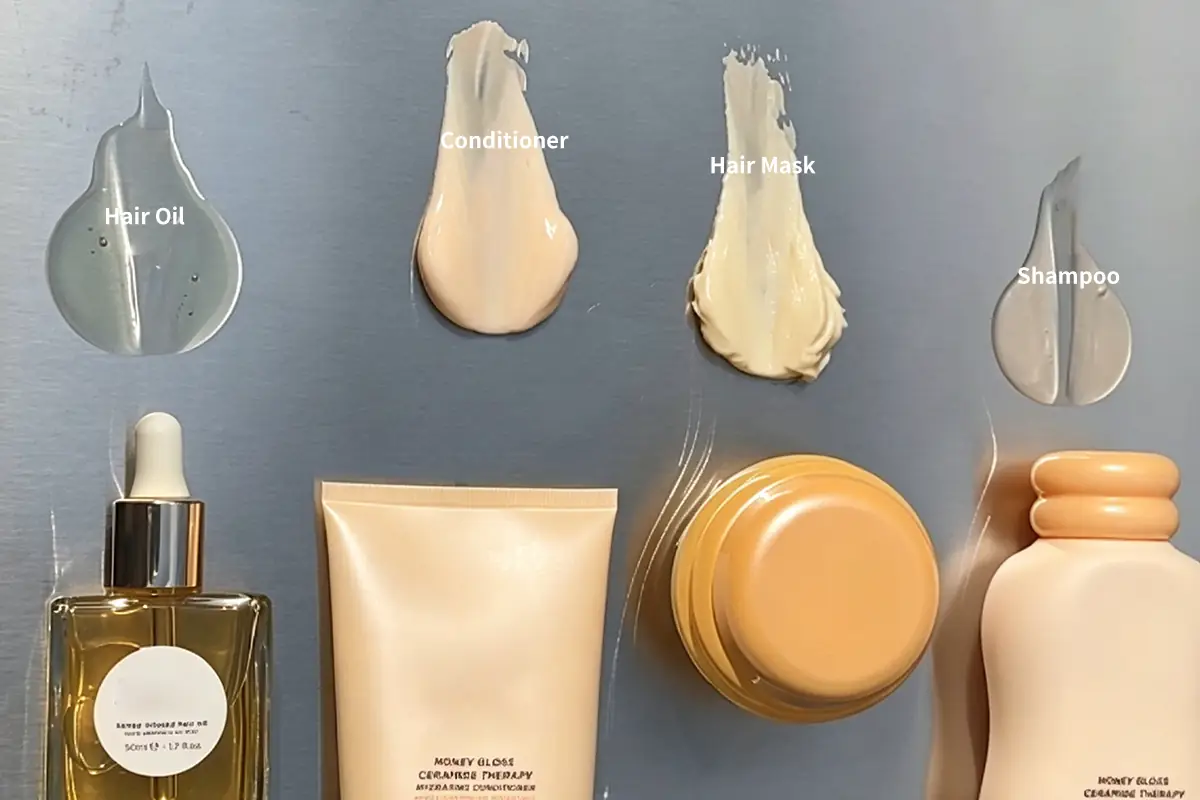
Why Hair Care Formulation Is Moving Toward the Scalp
Scalp care used to be treated as a small subcategory inside shampoo. Today, it has become a product development direction of its own. This is important for private label brands because ingredient selection now affects not only formula performance, but also brand positioning, content strategy, packaging format, and claim language.
Several market signals are moving in the same direction.
1. Consumers now understand “scalp is skin”
Consumers who used to buy shampoo based mainly on fragrance, foam, or brand recognition are now looking at scalp health more seriously. They ask about sebum balance, irritation, dandruff, follicle environment, microbiome care, and active ingredients. This creates room for formulas that borrow logic from skincare — niacinamide, panthenol, ceramides, Centella asiatica, prebiotics, postbiotics, and fermented botanical complexes.
2. Hair growth and anti-hair-loss conversations have gone mainstream
The viral comparison between rosemary oil and minoxidil in 2023 brought hair loss and scalp health to a mass consumer audience that had previously considered the topic niche or clinical. That conversation is still generating search volume and purchase intent across markets in 2026.
For private label brands, this does not mean every product should make medical claims. But it does mean that hair growth support, anti-hair-loss support, fuller-looking hair, scalp activation, rosemary oil, caffeine, GHK-Cu, Redensyl, and Capixyl are now commercially important ingredient directions.
3. Product format is becoming part of the ingredient story
A shampoo is no longer the only hero SKU in a hair care line. Scalp serums, hair growth oils, root sprays, leave-in conditioners, scalp tonics, lamellar rinses, and intensive masks are becoming important parts of a complete product system.
This is where many new brands make mistakes. They choose a trending ingredient first, then ask a factory to “add it into a shampoo.” In real formulation work, the format determines how much contact time the ingredient has, how stable it can remain, how it feels on the scalp or hair fiber, and what claims the brand can realistically communicate.
This is why scalp-first formula logic matters: product development should start from the target scalp or hair concern, then move into active selection, texture system, packaging compatibility, stability testing, and market claim direction.
How OEM Formulators Think About Scalp-First Hair Care Ingredients
Ingredient names alone do not make a strong hair care product. A formula built around rosemary oil, GHK-Cu, niacinamide, Centella, or piroctone olamine still needs the right system behind it: solubility, pH, preservation, scalp feel, rinse-off or leave-on contact time, and packaging compatibility.
This is where technical formulation logic becomes more important than simply following ingredient trends. The following directions are commonly used when developing more differentiated scalp and hair care products for private label brands.
| Formula Direction | When It Is Useful | OEM Formulation Point |
|---|---|---|
| Scalp-first formula logic | Scalp care, anti-dandruff, oily scalp, sensitive scalp, hair growth support | The product should be designed around the scalp concern first, then matched with the right format and active system. |
| Botanical decoction extracts | Herbal scalp care, natural hair growth oil, botanical shampoo, soothing scalp products | Extraction method, odor, color, clarity, and stability need to be controlled so the botanical story does not damage the final product experience. |
| Fermentation-derived actives | Microbiome-friendly scalp care, premium scalp serum, sensitive scalp formulas | Fermented ingredients may require careful pH, preservative, and stability review, especially in leave-on scalp products. |
| Centella-based soothing systems | Sensitive scalp, post-color scalp care, mild anti-dandruff shampoo, calming scalp spray | Soothing systems are often paired with mild surfactants, panthenol, niacinamide, or allantoin to avoid an overly aggressive treatment feel. |
| Anti-dandruff active systems | Dandruff-prone scalp, oily scalp, men’s scalp care, flake-control shampoo | Actives such as piroctone olamine, salicylic acid, zinc PCA, and tea tree oil need to be matched with claim rules in the target market. |
| Moisturizing film-forming technologies | Leave-in sprays, anti-frizz products, repair serums, root lifting sprays, styling support | The film must improve softness, combability, or frizz control without making the hair feel sticky, heavy, or greasy. |
For brands, the value of these directions is not only technical. They also help turn a single product into a clearer product story: scalp balance, sensitive scalp support, anti-dandruff care, hair growth support, repair, volume, or leave-in protection.
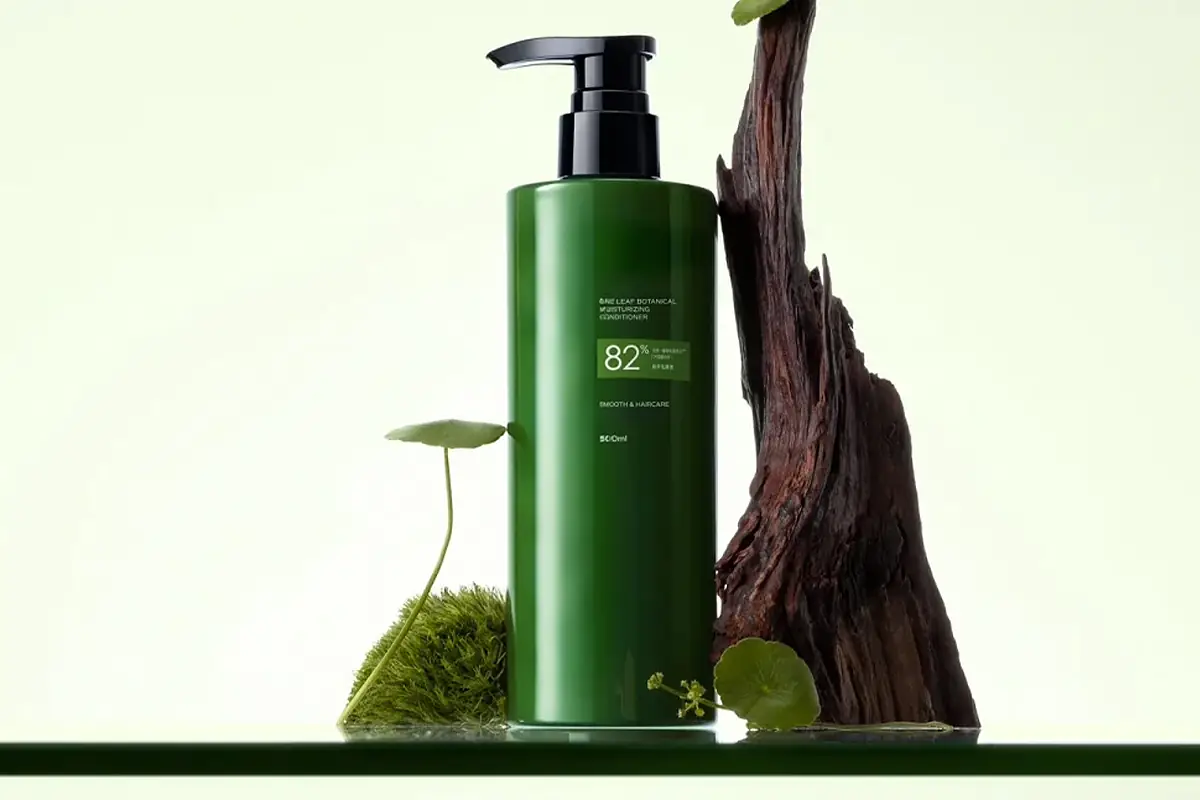
1. Scalp Care Ingredients: Cleansing, Balance, and Soothing
Scalp care formulation usually focuses on three overlapping goals: removing buildup, balancing oil and dandruff-prone conditions, and supporting a calm scalp environment. The formula direction changes depending on whether the product is a rinse-off shampoo, leave-on scalp serum, scalp spray, or scalp mask.
Salicylic Acid
Salicylic acid is a beta-hydroxy acid commonly used in scalp-clarifying and anti-dandruff formulas. In scalp care, it helps remove dead skin cell buildup, reduce visible flaking, and improve the clean feeling around the follicle area.
For private label brands, salicylic acid is useful in clarifying shampoos, oily scalp shampoos, dandruff-control shampoos, and intensive scalp treatment products. The challenge is balancing efficacy with mildness. A formula that feels too harsh may not be suitable for daily use, especially for sensitive scalp positioning.
Best formats: scalp clarifying shampoo, anti-dandruff shampoo, oily scalp cleanser, scalp exfoliating treatment.
Zinc PCA
Zinc PCA is widely used for oil control and scalp balance. It fits well into formulas designed for oily scalp, men’s scalp care, dandruff-prone scalp, and balancing shampoo systems. Compared with harsh cleansing systems, zinc PCA allows a brand to communicate a more refined “balanced scalp” story.
It can be combined with niacinamide, salicylic acid, tea tree oil, rosemary oil, or piroctone olamine depending on the desired direction.
Best formats: oil-control shampoo, scalp serum, men’s scalp care, balancing scalp tonic.
Piroctone Olamine
Piroctone olamine is an important anti-dandruff active used in many modern dandruff-control formulations. It is often selected for shampoos targeting flakes, scalp odor, itch-prone scalp, and dandruff-prone hair care lines.
From a B2B perspective, piroctone olamine is valuable because it supports a clear product concept: anti-dandruff shampoo, scalp balancing shampoo, or dandruff-control care system. However, anti-dandruff claims may be regulated differently by market. Brands should confirm claim language before final packaging copy is finalized.
Best formats: anti-dandruff shampoo, scalp balancing shampoo, men’s dandruff care, scalp treatment shampoo.
Niacinamide
Niacinamide is one of the clearest examples of skincare logic moving into hair care. In scalp products, it can support barrier-care positioning, reduce the look of scalp discomfort, and help create a more premium “scalp is skin” ingredient story.
For private label brands, niacinamide is especially useful when building a gentle scalp care line rather than a harsh treatment-style line. It can sit comfortably in scalp serums, sensitive scalp shampoos, post-coloring scalp care, and moisturizing scalp sprays.
Best formats: scalp serum, sensitive scalp shampoo, soothing scalp spray, barrier-support scalp treatment.
Centella Asiatica and Soothing Botanical Systems
Centella-based soothing systems are becoming increasingly relevant in scalp care. Consumers already understand Centella from skincare, especially in products positioned for sensitive skin, barrier support, and redness-prone skin.
In hair care, Centella asiatica extract, madecassoside-style soothing concepts, panthenol, allantoin, and fermented botanical extracts can help brands build a calmer scalp care narrative. This is useful for products targeting sensitive scalp, post-coloring scalp care, mild anti-dandruff formulas, and daily scalp serums.
In OEM development, this type of soothing system is often combined with botanical extracts, barrier-support ingredients, or fermentation-derived actives to make the formula feel more skincare-inspired rather than purely treatment-driven.
Best formats: soothing scalp serum, sensitive scalp shampoo, post-color scalp spray, gentle scalp mask.
Tea Tree Oil and Peppermint Oil
Tea tree oil and peppermint oil both have strong consumer recognition in scalp care. Tea tree oil is commonly associated with scalp cleansing, freshness, dandruff-prone scalp, and oily scalp. Peppermint oil gives a cooling sensation that many consumers connect with scalp stimulation and freshness.
These ingredients are not only functional; they also improve the sensory story of the product. A scalp shampoo or scalp tonic that feels fresh, cool, and clean is often easier for consumers to understand than a formula that only lists technical actives.
Best formats: stimulating shampoo, scalp tonic, anti-dandruff shampoo, scalp oil, cooling scalp spray.
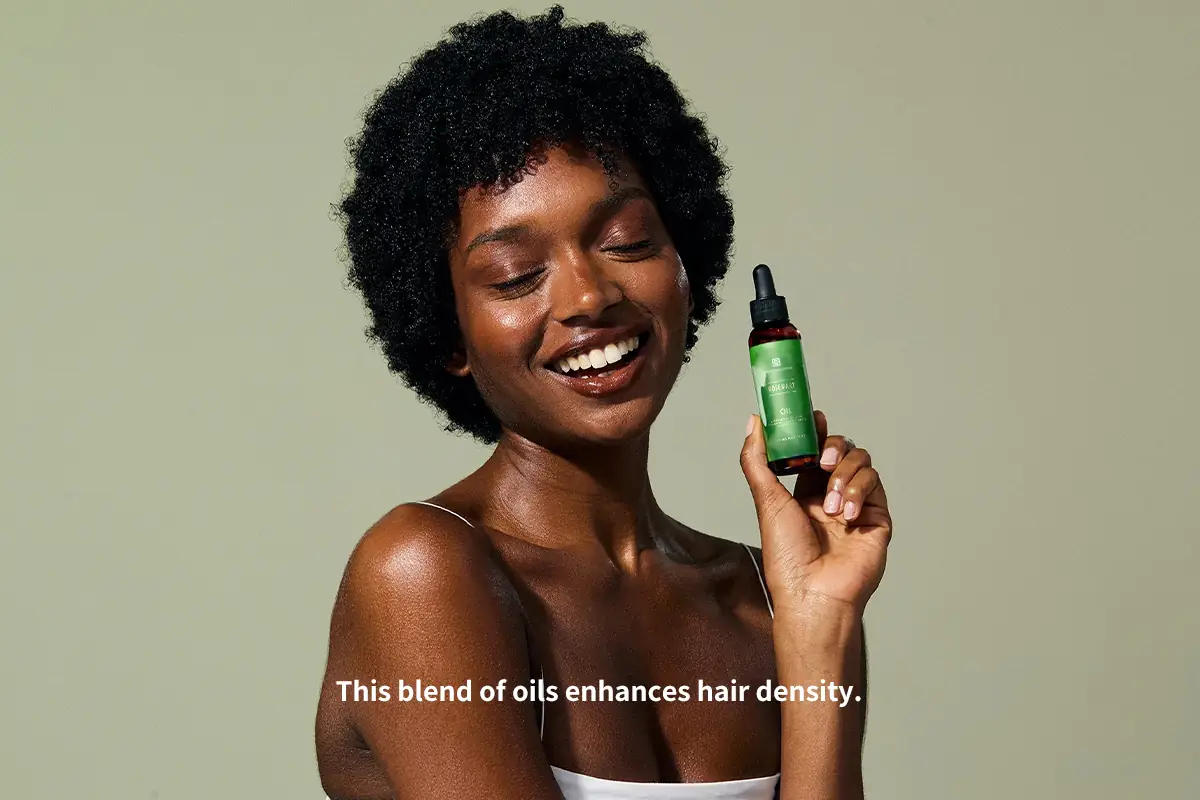
2. Hair Growth Support Ingredients: Rosemary, Caffeine, GHK-Cu, Redensyl, and Capixyl
Hair growth support and anti-hair-loss positioning are among the strongest commercial directions in private label hair care. The opportunity is real, but the formula strategy needs to be clear.
A mass-market rosemary hair growth oil does not need the same ingredient structure as a premium GHK-Cu scalp serum. A caffeine shampoo does not carry the same claim logic as a Redensyl and Capixyl leave-on treatment. This is why ingredient selection must be matched with format, price point, audience, and regulatory market.
B2B claim note: Hair growth, anti-hair-loss, anti-thinning, and hair density support can be developed as product directions. The final claim wording should be adjusted according to the target market, testing support, and whether the product is positioned as a cosmetic, OTC product, or other regulated category.
Rosemary Oil
Rosemary oil has become the dominant mass-market ingredient in the hair growth support category. It has strong consumer awareness, works well in natural positioning, and can be used across several product formats, including scalp oils, shampoos, scalp serums, tonics, and leave-in products.
For private label brands, rosemary oil is commercially powerful because consumers already search for it. It gives the brand a direct ingredient story: rosemary hair growth oil, rosemary scalp serum, rosemary shampoo, rosemary hair tonic, or rosemary and castor scalp oil.
The key formulation issue is solubility and irritation control. Rosemary essential oil is easier to use in oil-based products, but more technically demanding in water-based formulas. In shampoos, sprays, or serums, it requires proper solubilization, fragrance balance, and stability control.
Best formats: hair growth oil, scalp oil, scalp serum, rosemary shampoo, scalp tonic, leave-in scalp spray.
We will cover this direction in more detail in our commercial guide to private label hair growth oil manufacturing.
Caffeine
Caffeine is a familiar ingredient in scalp stimulation and anti-hair-loss support formulas. It is not as viral as rosemary oil, but it has a more technical and performance-driven feel. This makes it useful for men’s grooming, scalp serums, stimulating shampoos, and anti-thinning product lines.
Caffeine is often combined with rosemary oil, zinc PCA, niacinamide, and botanical extracts to build a multi-active scalp support story.
Best formats: caffeine shampoo, scalp serum, men’s hair care, anti-thinning tonic, root support spray.
GHK-Cu
GHK-Cu, also known as copper tripeptide-1, is one of the most interesting premium ingredients moving from anti-aging skincare into scalp care. It allows brands to position a scalp product as more advanced than a basic rosemary oil or caffeine shampoo.
For private label brands, GHK-Cu is especially useful in premium scalp serums and anti-aging scalp care concepts. It supports a more technical narrative around scalp vitality, scalp environment, and stronger-looking hair from the root area.
The formula challenge is stability. GHK-Cu should be handled carefully in terms of pH, oxidation, heat exposure, preservation, and packaging. A dropper serum, airless bottle, or targeted scalp applicator is usually more suitable than a rinse-off product if the brand wants GHK-Cu to be the hero ingredient.
Best formats: GHK-Cu scalp serum, premium leave-on scalp treatment, anti-aging scalp serum, targeted scalp essence.
Redensyl
Redensyl is a premium hair growth support active commonly used in scalp serums and density-focused treatments. It gives brands a more clinical and high-performance ingredient story than general botanical oils.
For brands targeting a premium audience, Redensyl can be positioned around hair density appearance, fuller-looking hair, scalp vitality, and professional scalp care. Because it is a higher-cost active, it usually makes more sense in a leave-on serum than in a basic shampoo.
Best formats: scalp serum, hair density serum, premium anti-thinning treatment, professional scalp care line.
Capixyl
Capixyl is another premium active used in anti-thinning and hair density support products. It is often combined with Redensyl to create a more complete ingredient system. In brand communication, Redensyl is often positioned around follicle activity, while Capixyl can support an anchoring and stronger-looking hair story.
For private label brands, the Redensyl + Capixyl combination is useful when building a premium scalp serum, especially for brands that want to move beyond basic rosemary oil and biotin positioning.
Best formats: premium scalp serum, anti-thinning treatment, density support serum, leave-on scalp care.
For a deeper comparison of these premium actives, see our guide to GHK-Cu vs Redensyl vs Capixyl hair growth ingredients.
Biotin
Biotin has extremely high consumer recognition because of its connection with hair and nail supplements. In topical hair care, it is often used as a supporting ingredient rather than the main performance driver.
This does not make biotin useless. In mass-market private label hair care, biotin can improve consumer understanding and purchase intent. It works best when combined with other more targeted ingredients, such as caffeine, rosemary oil, panthenol, zinc PCA, or botanical extracts.
Best formats: biotin shampoo, conditioner, hair growth support set, mass-market anti-hair-loss line.
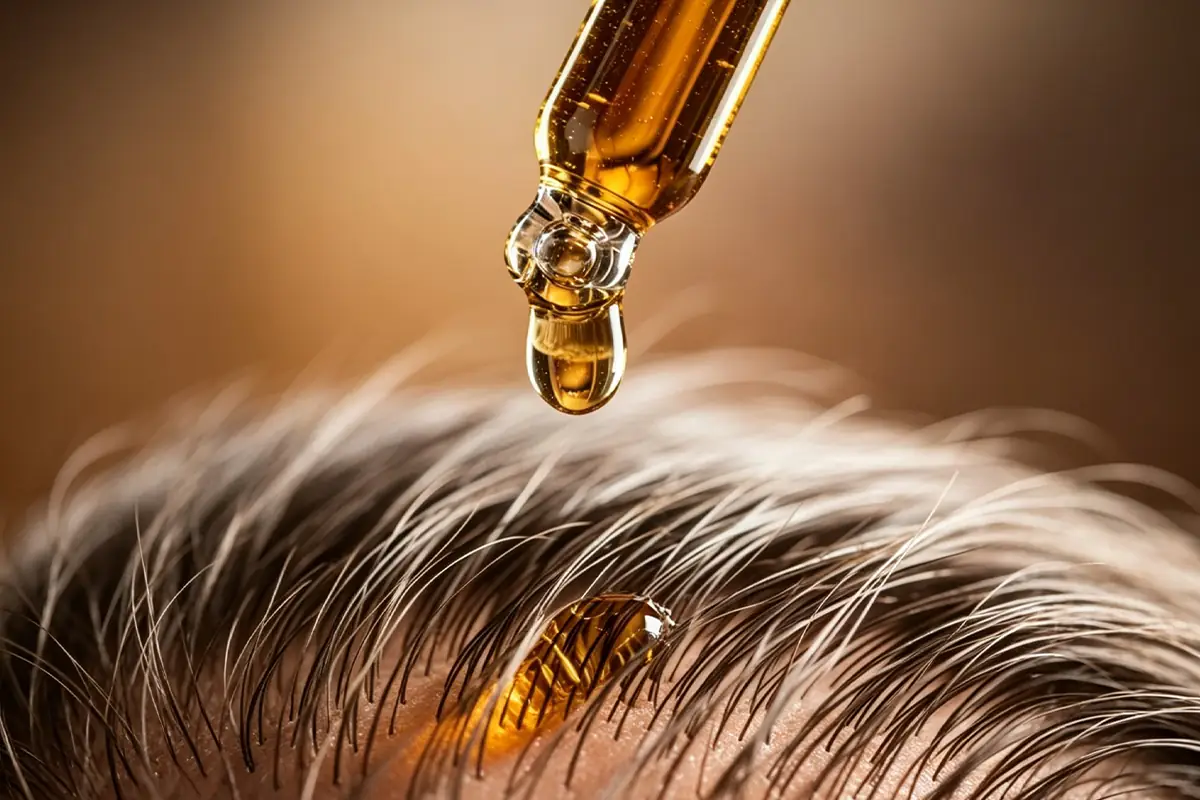
3. Hair Repair Ingredients: From Surface Smoothness to Bond Support
Hair repair products focus on the hair fiber rather than the scalp. This includes conditioners, hair masks, leave-in creams, repair serums, and salon-inspired treatments. The goal is usually to improve smoothness, shine, combability, breakage resistance, and the appearance of damaged hair.
A cosmetic repair product cannot permanently rebuild severely damaged hair in the same way a professional salon procedure may claim to. But a well-formulated product can make damaged hair look and feel significantly better.
Hydrolyzed Keratin
Hydrolyzed keratin is one of the most recognizable repair ingredients in hair care. Because keratin is a structural protein in hair, the ingredient story is easy for consumers to understand.
In formula development, molecular weight matters. Lower molecular weight keratin fragments can support deeper conditioning effects, while higher molecular weight fractions can provide surface coating and smoother feel. For a strong repair story, a formula may combine hydrolyzed keratin with amino acids, ceramides, panthenol, and film-forming conditioning agents.
Best formats: repair mask, keratin conditioner, leave-in repair cream, damaged hair treatment.
Amino Acids
Amino acids are widely used in hair repair and moisturizing formulas. Cysteine, arginine, glutamic acid, serine, and other amino acid blends can support a protein-care story while improving the feel of dry or damaged hair.
For private label brands, amino acid complexes are useful because they sound technical but still consumer-friendly. They can be positioned for damaged hair, color-treated hair, dry hair, and gentle daily repair products.
Best formats: amino acid conditioner, repair mask, leave-in spray, color-care treatment.
Ceramides
Ceramides are another skincare crossover ingredient now appearing in premium hair care. In hair products, ceramides can support cuticle smoothness, lipid barrier repair, moisture retention, and a healthier-looking hair fiber.
Ceramide-based hair care is especially suitable for brands that want to build a “skinification of hair care” story. It works well for repair masks, leave-in conditioners, scalp barrier products, and premium shampoo-conditioner sets.
Best formats: ceramide hair mask, barrier-repair shampoo, premium conditioner, leave-in repair product.
Bond-Building Systems
Bond-building has become a strong premium direction in hair repair. It is especially relevant for bleached, color-treated, permed, straightened, or heat-damaged hair. The ingredient story is more technical than basic conditioning, which allows brands to position the product at a higher price point.
Bond-support formulas often require more careful R&D work than ordinary conditioners. The pH, active compatibility, processing temperature, viscosity, and packaging system need to be aligned from the beginning.
Best formats: bond repair mask, salon-style repair treatment, intensive conditioner, leave-in bond support cream.
Panthenol and Hyaluronic Acid
Panthenol is one of the most versatile ingredients in hair care. It can support moisture, softness, combability, and reduced breakage appearance. It works across shampoos, conditioners, masks, scalp serums, and leave-in sprays.
Hyaluronic acid has moved from skincare into hair care because consumers already understand it as a moisture ingredient. In hair products, it can support hydration, smoother feel, and lightweight leave-in positioning.
When panthenol, hyaluronic acid, plant proteins, and lightweight film-forming agents are used together, they can support leave-in sprays, anti-frizz products, repair serums, and daily moisture systems.
Best formats: moisturizing leave-in spray, HA hair serum, repair conditioner, dry hair mask, anti-frizz spray.
4. Anti-Dandruff and Oily Scalp Ingredient Systems
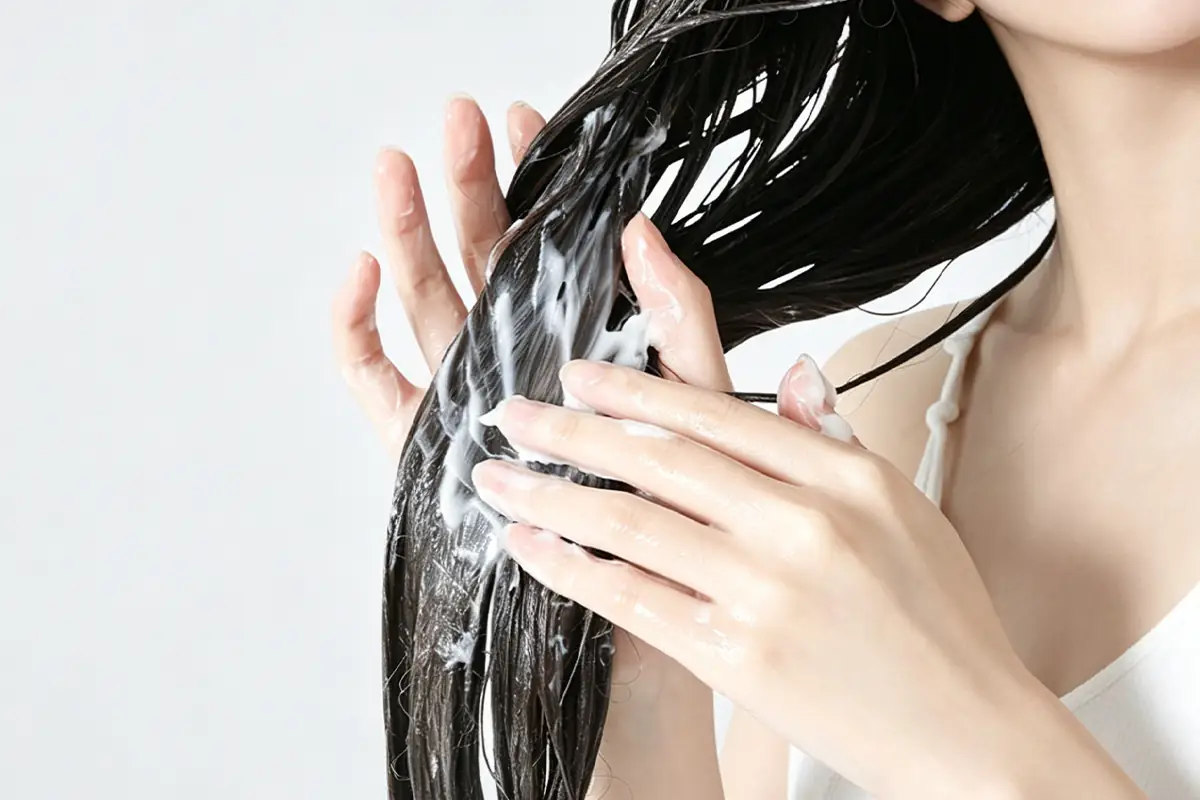
Anti-dandruff and oily scalp products are important because they solve clear consumer pain points. Unlike general “soft and smooth” hair care, dandruff and oiliness are visible problems. This makes the category highly searchable and commercially strong.
A good anti-dandruff or oily scalp formula is not only about adding one active. It needs a complete system: cleansing power, scalp mildness, sebum-control support, anti-dandruff active selection, soothing ingredients, fragrance control, and claim compliance.
| Formula Goal | Ingredient Options | Best Product Direction |
|---|---|---|
| Visible Flake Control | Piroctone olamine, salicylic acid, tea tree oil | Anti-dandruff shampoo, scalp balancing shampoo |
| Oil Control | Zinc PCA, niacinamide, clay-compatible systems, botanical extracts | Oily scalp shampoo, men’s scalp shampoo, refreshing scalp spray |
| Scalp Comfort | Centella, panthenol, allantoin, fermented extracts | Sensitive scalp shampoo, soothing scalp serum |
| Fresh Sensory Feel | Peppermint oil, menthol derivatives, tea tree oil, herbal extracts | Cooling shampoo, scalp tonic, refreshing scalp care line |
For brands, this category can be positioned in several ways: professional anti-dandruff care, mild dandruff-control shampoo, men’s oily scalp care, clean botanical scalp care, or microbiome-friendly scalp balancing. The right direction depends on your market, retail channel, price point, and regulatory requirements.
5. Styling, Volume, and Film-Forming Ingredients
Styling and volume products are different from scalp serums and repair masks. They need to create an immediate visible effect: volume, hold, smoothness, curl definition, frizz control, or thicker-looking hair.
This is where moisturizing film-forming technologies become important. A good leave-in spray or styling product must leave a controlled film on the hair fiber without making the hair sticky, heavy, greasy, or stiff.
Polyquaternium and Styling Polymers
Polyquaternium systems are widely used in conditioning and styling products. Depending on the specific polymer, they can improve combability, reduce static, support light hold, or create a smoother hair surface.
For private label brands, this ingredient direction is useful in leave-in sprays, anti-frizz sprays, curl creams, root lifting sprays, and volume products.
Plant Proteins
Rice protein, wheat protein, soy protein, and other hydrolyzed plant proteins can create a light film-forming effect. They are especially useful for fine hair, root volume, natural positioning, and “fuller-looking hair” claims.
These ingredients can be paired with caffeine, panthenol, and lightweight polymers to build a root-lifting or thickening spray.
Silicone and Silicone-Free Anti-Frizz Systems
Silicones remain highly effective for smoothing, shine, and frizz control. They can create immediate visible performance, especially in professional and salon-grade formulas.
However, many clean beauty, curly hair, and natural hair care brands prefer silicone-free alternatives. In those cases, plant oils, squalane, ester oils, plant proteins, and lightweight film formers can be used to create a softer anti-frizz system.
The key is to choose the positioning first. A professional repair brand may benefit from silicone-based performance. A clean botanical brand may prefer silicone-free softness, even if the anti-frizz performance is gentler.
6. Product Format Matters as Much as Ingredients
One of the biggest mistakes in private label hair care development is choosing a hero ingredient first and choosing the format later. The format controls contact time, deposition, sensory feel, stability, packaging compatibility, and final consumer experience.
For example, GHK-Cu may be a strong premium scalp ingredient, but it makes more sense in a leave-on serum than in a rinse-off shampoo. Rosemary oil can work beautifully in a scalp oil, but it needs a different technical approach in a water-based spray. Panthenol can work across many formats, but the level, texture, and supporting ingredients will change.
| Format | Formula System | Best Ingredient Direction | Key OEM Consideration |
|---|---|---|---|
| Shampoo | Surfactant-based rinse-off system | Cleansing, oil control, dandruff care, scalp freshness | Mildness, foam, viscosity, active compatibility, rinse-off limitation |
| Conditioner | Cationic emulsion | Smoothness, softness, repair, detangling | Deposition, pH, conditioning feel, hair type targeting |
| Hair Mask | Rich emulsion or cream system | Keratin, amino acids, ceramides, bond-support actives | Texture, heating process, stability, rinse feel |
| Scalp Serum | Water-based, hydroalcoholic, or light emulsion | GHK-Cu, Redensyl, Capixyl, niacinamide, fermented actives | pH, preservation, oxidation, packaging, scalp feel |
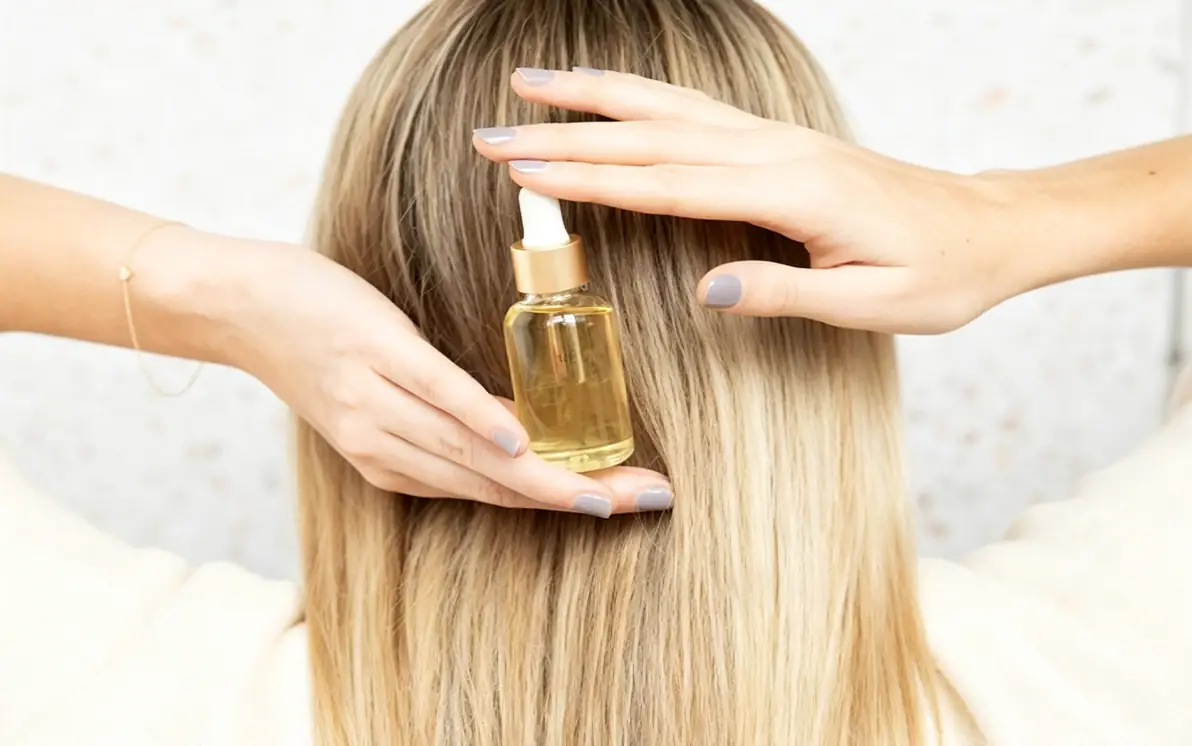
| Hair Growth Oil | Anhydrous oil system | Rosemary oil, castor oil, peppermint oil, botanical oil blends | Greasy feel, essential oil level, oxidation, dropper compatibility |
| Leave-In Spray | Light solution or light emulsion | Panthenol, HA, film formers, plant proteins, anti-frizz agents | Pumpability, viscosity, mist quality, preservation |
This format-to-ingredient alignment is one reason private label brands should work with a manufacturer before finalizing packaging. A beautiful bottle design is not useful if the formula cannot spray, pump, dispense, or remain stable inside it.
7. Choosing Ingredients Based on Brand Positioning
The best ingredient direction depends on the type of brand you want to build. A clean beauty brand, salon repair brand, men’s grooming brand, and premium scalp serum brand should not use the same formula architecture.
Natural and Botanical Hair Care
Ingredient direction: rosemary oil, castor oil, tea tree oil, peppermint oil, botanical decoction extracts, aloe vera, plant proteins, plant oils, vitamin E.
This direction is suitable for brands that want clean beauty, herbal, vegan, botanical, or natural hair growth support positioning. Hair growth oils and scalp massage oils are especially strong formats here.
Scalp Health and Anti-Hair-Loss Support
Ingredient direction: rosemary oil, caffeine, zinc PCA, niacinamide, Centella, fermented extracts, GHK-Cu, Redensyl, Capixyl.
This is one of the strongest directions for private label brands because it connects clear consumer demand with high-search-volume product terms. A good product line may include a scalp shampoo, scalp serum, and hair growth oil as a system.
Salon-Grade Repair
Ingredient direction: hydrolyzed keratin, amino acids, ceramides, panthenol, bond-building systems, silicones, conditioning polymers.
This direction is suitable for brands targeting damaged hair, color-treated hair, bleached hair, frizz, and professional repair. Performance matters more than natural positioning in this category.
Sensitive Scalp and Barrier Care
Ingredient direction: Centella-based soothing systems, panthenol, niacinamide, allantoin, fermented botanical extracts, prebiotic/postbiotic concepts, mild surfactants.
This direction is suitable for brands building a gentle scalp care line, post-coloring scalp care, mild anti-dandruff products, or skincare-inspired hair care.
Men’s Grooming
Ingredient direction: caffeine, zinc PCA, peppermint oil, rosemary oil, piroctone olamine, lightweight styling polymers.
Men’s scalp care often needs a stronger sensory cue: cooling, refreshing, oil-control, thickening, or anti-dandruff. Packaging, fragrance, and texture are especially important in this category.
Curly and Textured Hair
Ingredient direction: shea butter, glycerin, panthenol, aloe vera, plant oils, lightweight proteins, silicone-free film formers, curl-friendly conditioning agents.
Curly and textured hair products often require richer moisture, better slip, stronger frizz control, and careful ingredient positioning. Leave-in conditioners, curl creams, masks, and styling gels are usually more important than basic shampoo.
From Ingredient Direction to Finished Product: What Brands Should Confirm with an OEM/ODM Manufacturer
Understanding hair care ingredients is only the first step. To turn an idea into a finished private label product, brands need to align with the manufacturer on formula base, active level, packaging, claims, testing, and documentation.
1. Do you need a stock formula or custom formulation?
Many brands can start with a tested formula library and customize fragrance, texture, active direction, color, packaging, and label design. This can reduce development time and stability risk.
Custom formulation is more suitable when the brand needs a special active combination, unique texture, specific claim direction, or differentiated product system.
2. Is the ingredient suitable for the format?
GHK-Cu, Redensyl, and Capixyl are more suitable for leave-on scalp serums than basic rinse-off shampoos. Rosemary oil may be easier in an oil-based product than in a clear water-based spray. Piroctone olamine needs to be developed with the right shampoo system. Film formers need to match the spray pump or styling format.
A good manufacturer should help you choose the right format before sampling begins.
3. What claim language can you use?
Hair growth, anti-hair-loss, anti-dandruff, and scalp treatment claims can be powerful, but they need market-specific review. The claim wording that works for one country may not be suitable for another.
For many cosmetic hair care products, safer claim directions may include fuller-looking hair, thicker-looking hair, reduced visible flakes, balanced scalp, healthier scalp environment, stronger-feeling hair, or improved hair density appearance.
For brands targeting stricter claims, the project should include regulatory review, testing support, and documentation planning from the beginning.
4. What testing and documents are needed?
Active-heavy hair care formulas require stability testing, compatibility testing, microbial testing, packaging compatibility review, and claim-support planning. For international markets, brands may also need ingredient compliance review, MSDS, COA, product specifications, safety assessment support, and market-specific documentation.
This is also where the choice of manufacturer matters. For brands developing scalp serums, anti-dandruff shampoos, hair growth oils, repair masks, or leave-in sprays, the manufacturer should be able to discuss formula direction, packaging compatibility, sampling, production, and documentation before moving into bulk order.
Brands comparing regional options can also use our private label hair care manufacturers in the USA guide to understand how different supplier types position themselves.
Need a Hair Care OEM/ODM Partner for Ingredient-Driven Formulas?
Shangpinhui Biotechnology Co., Ltd. supports private label and custom hair care development across shampoos, scalp serums, hair growth oils, anti-dandruff products, repair masks, leave-in sprays, and styling care products.
Brands can start from an existing tested formula or develop a custom formula based on product format, target ingredients, market positioning, packaging, order quantity, and documentation requirements.
Recommended Reading
- Private Label Hair Care Manufacturers: Global Overview
- Top Private Label Hair Care Manufacturers in Europe
- Private Label Hair Care Manufacturers USA
- GHK-Cu vs Redensyl vs Capixyl: Hair Growth Ingredient Comparison
- Private Label Hair Growth Oil Manufacturer
Frequently Asked Questions
What are the most important hair care ingredients for private label brands?
The most important ingredients depend on the product direction. For scalp care, common ingredients include salicylic acid, zinc PCA, niacinamide, piroctone olamine, tea tree oil, Centella, and fermented extracts. For hair growth support, rosemary oil, caffeine, GHK-Cu, Redensyl, Capixyl, and biotin are common choices. For repair, brands often use hydrolyzed keratin, amino acids, ceramides, panthenol, bond-building systems, and film-forming conditioning agents.
Can private label hair care products use hair growth or anti-hair-loss claims?
Hair growth and anti-hair-loss products can be developed, but the final claim language depends on the target market, product category, active ingredients, testing support, and regulatory requirements. For cosmetic positioning, many brands use language such as fuller-looking hair, thicker-looking hair, hair density appearance, scalp support, or stronger-feeling hair. Stronger treatment claims may require additional regulatory review.
Is rosemary oil better in a shampoo or hair growth oil?
Rosemary oil can be used in both, but the formula logic is different. In a hair growth oil or scalp oil, rosemary oil fits naturally into an anhydrous oil system and supports a scalp massage ritual. In shampoo, rosemary oil requires solubilization and has shorter scalp contact time because the product is rinsed off. If rosemary oil is the hero ingredient, a scalp oil, tonic, or leave-on scalp serum usually gives a stronger product story.
Should GHK-Cu, Redensyl, and Capixyl be used together?
They can be used together in a premium scalp serum or anti-thinning product concept, but it depends on the target price point and formula stability. GHK-Cu supports a premium scalp care and anti-aging scalp narrative, while Redensyl and Capixyl are often used for hair density and anti-thinning support. Because these ingredients increase formula cost, they are usually better suited to leave-on scalp serums than basic shampoos.
What ingredients are suitable for sensitive scalp products?
Sensitive scalp formulas often use mild surfactants, niacinamide, panthenol, Centella asiatica, allantoin, fermented botanical extracts, prebiotic or postbiotic concepts, and low-irritation fragrance systems. The formula should avoid excessive cooling agents, high essential oil levels, harsh cleansing systems, and overly aggressive exfoliating acids unless the product is clearly positioned as an occasional treatment.
What should brands prepare before asking an OEM manufacturer for a hair care quote?
Brands should prepare the target product type, market region, expected claim direction, hero ingredients, benchmark products, packaging preference, target price range, order quantity, fragrance direction, and any certification or documentation requirements. This helps the manufacturer recommend whether a stock formula, semi-custom formula, or fully custom formula is the best route.