The Canadian beauty market is recognized globally for its uncompromising standards in clean formulation, ethical manufacturing, and clinical efficacy. Driven by consumer demand for cold-climate barrier defense, bio-compatible actives, and strict regulatory safety under Health Canada, the country has become a dynamic hub for both emerging indie brands and established medical-grade skincare lines.
However, navigating the landscape of private label skincare manufacturers in Canada poses serious challenges for beauty brand founders.
Established domestic powerhouses often enforce steep minimum order quantities (MOQs) starting at 5,000 to 10,000 units per SKU, placing high-end manufacturing out of reach for agile startups. Conversely, small artisanal labs often lack the certified cleanroom infrastructure, automated filling capacity, or advanced delivery technologies (such as microencapsulation and bio-fermentation) required to scale internationally.
Whether you are launching a dermatologist-backed facial treatment, an organic botanical line, or a high-performance active serum, choosing the right production partner is critical.
This comprehensive 2026 sourcing guide evaluates the top 10 private label and contract skincare manufacturers in Canada, examining their capabilities, minimums, regulatory proficiencies, and ideal brand matches.
Quick Answer: Who Are the Best Skincare Manufacturers in Canada?
For beauty brands evaluating the Canadian contract manufacturing market, the ideal partner depends on your production volume, formula complexity, and channel strategy:
- For High-Volume Commercial Retail & Enterprise Scale: KDC/one and Apollo Health and Beauty Care provide massive batch compounding, automated packaging, and global retail distribution networks.
- For Regulated Therapeutic Skincare & Suncare (DIN/NPN): Kolmar Canada leads in complex OTC emulsions, high-SPF sunscreens, and pharmaceutical-grade quality systems.
- For Prestige Custom Textures & Hybrid Cosmetics: Cosmetica Laboratories excels in bespoke formulation, sensory clean-beauty chemistry, and luxury brand launches.
- For Professional Spa & Clean Derma-Cosmetics: Europelab, Vitelle Labs, and Delon Laboratories deliver established salon-grade treatments, organic-aligned botanicals, and scalable body care.
- For Clinical Peptides & Aesthetic Doctor Dispensing: Urist Cosmetics, Vicora Cosmeceuticals, and Leslie Cosmetics offer specialized anti-aging formulas and adaptable private label lines.
- For Advanced Active Delivery & Agile Cross-Border Supply: Brands seeking proprietary active delivery systems (like microencapsulated 377 or bio-fermented peptides) with flexible production scaling frequently partner with an established international CDMO like Shangpinhui Biotechnology.
Quick Comparison: Top 10 Canadian Skincare Manufacturers
| Manufacturer | Location | Primary Focus | MOQ Flexibility | Best Fit For |
|---|---|---|---|---|
| KDC/one | Longueuil, QC | High-volume contract manufacturing & full-service innovation | High (Enterprise Scale) | Global retail brands & multinational personal care lines |
| Apollo Health and Beauty Care | North York, ON | Large-scale personal care, skincare & premium private label | Medium–High | Supermarket & pharmacy store-brand distribution |
| Kolmar Canada | Barrie, ON | Regulated therapeutic skincare, complex emulsions & suncare | High | Enterprise beauty brands & OTC drug formulations |
| Cosmetica Laboratories | Toronto, ON | Prestige custom formulation, clean beauty & hybrid textures | Medium–High | Prestige indie brands & lines with custom R&D budgets |
| Delon Laboratories | Dollard-des-Ormeaux, QC | Skincare creams, body treatments, OTC & personal care | Medium–High | Commercial retail brands & high-volume export lines |
| Europelab | Montreal, QC | Organic-aligned professional skincare & dermo-cosmetics | Medium | Aesthetic clinics, destination spas & eco-conscious lines |
| Vitelle Labs | Vancouver, BC | Professional cosmeceuticals, spa treatments & clean botanicals | Medium | High-end resorts, day spas & clean clinical beauty brands |
| Vicora Cosmeceuticals | North York, ON | Boutique contract manufacturing, active serums & sheet masks | Medium | Clinical skincare lines & targeted facial care brands |
| Leslie Cosmetics | Markham, ON | Custom skincare, haircare & salon private label | Medium | Beauty salons, spas & regional personal care lines |
| Urist Cosmetics | Richmond, BC | Peptide formulations, anti-aging cosmeceuticals & peels | Low–Medium | Medical spas, dermatologists & clinical treatment brands |
Detailed Reviews: Top 10 Private Label Skincare Manufacturers in Canada
1. KDC/one (Knowlton Development Corporation)
Headquartered in Longueuil, Quebec, KDC/one is one of the world’s largest contract manufacturers for personal care, prestige beauty, and household products. With historical manufacturing facilities in Knowlton, Quebec, alongside global sites across North America and Europe, KDC/one operates as an integrated end-to-end partner.
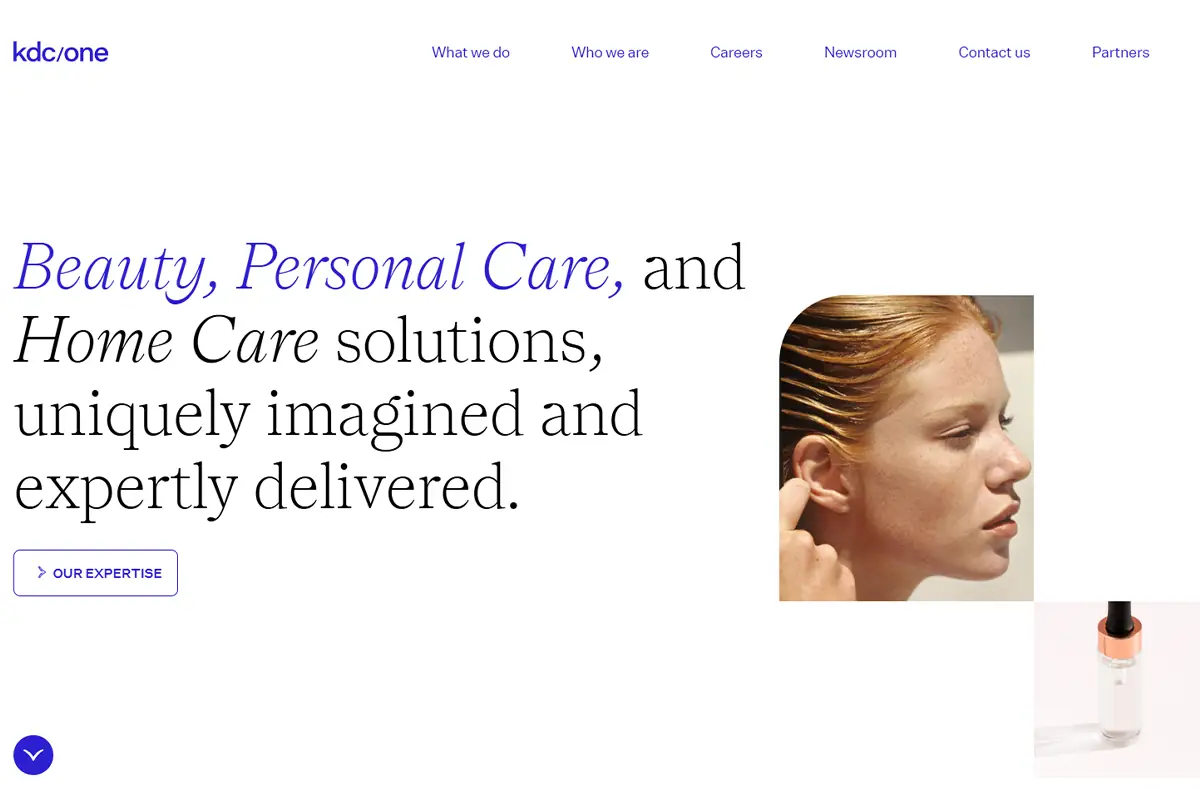
- Core Strengths: Large-scale chemical compounding, automated high-speed filling lines, custom packaging design, and full-service product innovation across luxury skincare, body care, and fragrances.
- MOQ Flexibility: High. Their facilities are engineered primarily for multinational brands, high-volume retail accounts, and consumer packaged goods (CPG) conglomerates requiring ongoing multi-thousand-unit output.
- Best Fit For: Well-capitalized beauty brands and multinational companies seeking full-turnkey development and high-capacity production lines.
2. Apollo Health and Beauty Care
Operating extensive manufacturing and distribution facilities in North York (Greater Toronto Area), Ontario, Apollo is a major Canadian producer of private label personal care and over-the-counter consumer products, serving major retail chains across North America.
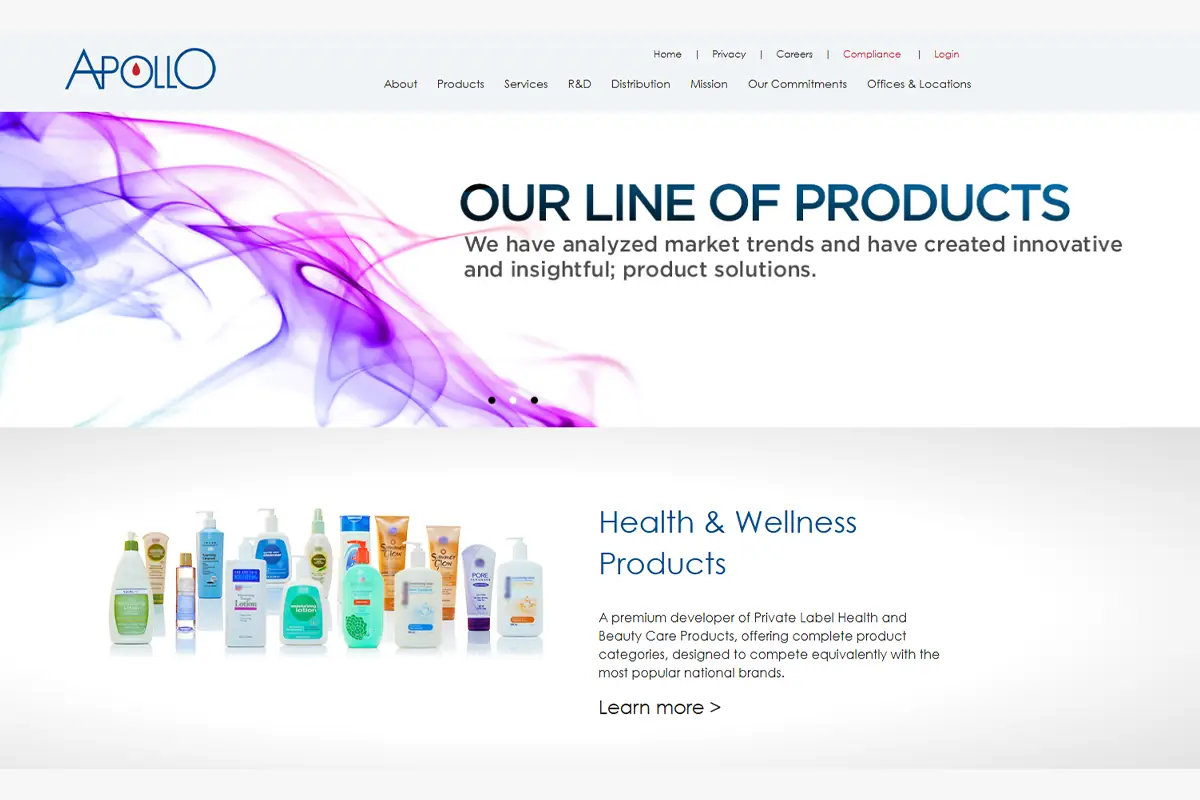
- Core Strengths: Large-volume manufacturing of daily facial cleansers, body washes, functional moisturizers, and therapeutic topicals. Apollo operates under strict cGMP guidelines with FDA registration and Health Canada site licenses.
- MOQ Flexibility: Medium–High. Automated processing equipment and high-speed packaging conveyors favor mass production runs over small-batch pilots.
- Best Fit For: Commercial brands, national supermarket private label programs, and pharmacy brands requiring reliable volume execution and strict retail compliance.
3. Kolmar Canada
Situated in Barrie, Ontario, Kolmar Canada is an essential North American division of the global Kolmar organization. The plant combines high-volume cosmetic compounding with pharmaceutical-level quality control.
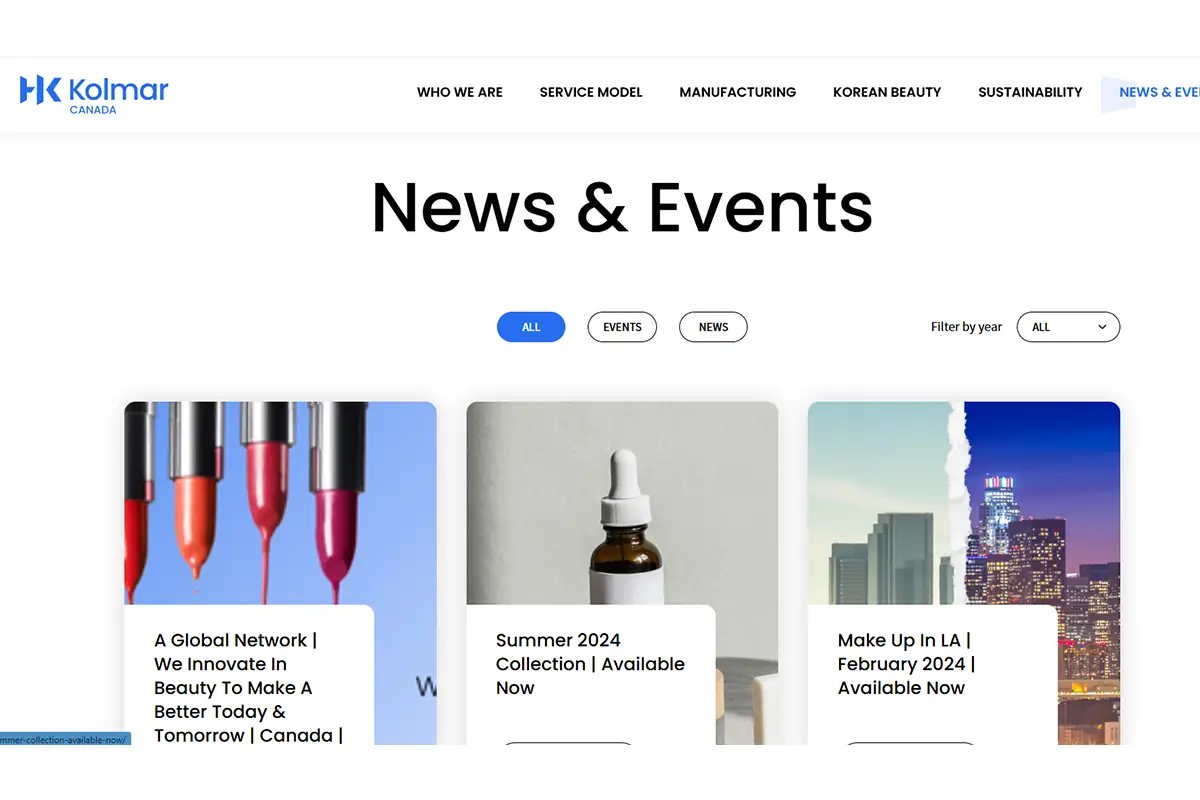
- Core Strengths: Primary sunscreens requiring Drug Identification Numbers (DIN) or Natural Product Numbers (NPN), complex multi-phase emulsions, anti-acne solutions, and high-performance dermatological topicals. They provide full on-site analytical, microbiological, and regulatory validation.
- MOQ Flexibility: High. Batch kettles and automated rotary filling equipment are optimized for large commercial runs.
- Best Fit For: Enterprise beauty companies, pharmaceutical brands, and clinical lines seeking deep technical support for regulated therapeutic skincare and sunscreens.
4. Cosmetica Laboratories Inc.
Based in Toronto, Ontario, Cosmetica Laboratories has maintained an international reputation for more than three decades as an advanced innovation center for prestige color cosmetics and high-performance skincare.
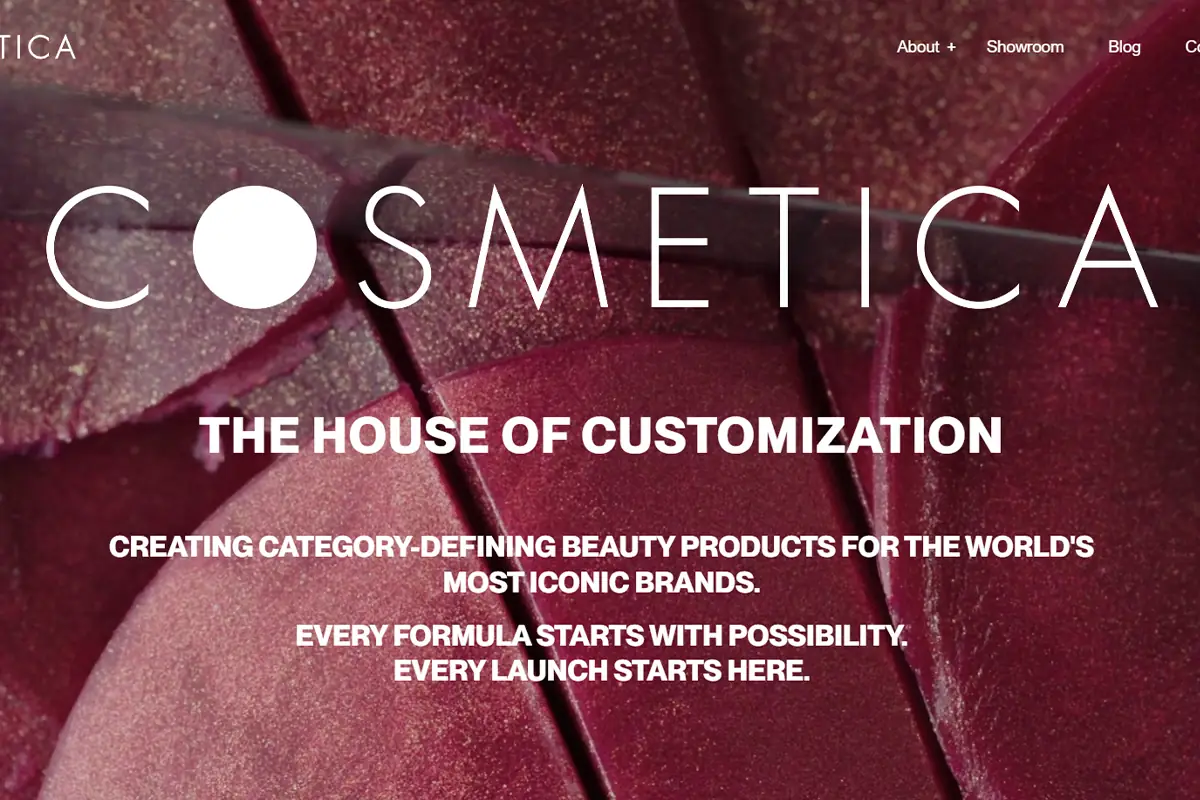
- Core Strengths: Ground-up custom skincare formulation, liquid-to-powder textures, clean-beauty ingredient screening, micro-emulsions, and specialized skincare-makeup hybrids. They provide complete creative and chemical support from bench formulation to final release.
- MOQ Flexibility: Medium–High. Commissioning proprietary formulations with Cosmetica requires significant R&D investment and commercial-scale batch commitments.
- Best Fit For: Luxury beauty brands, venture-backed indie creators, and established retailers seeking proprietary formulation ownership and distinctive sensory textures.
5. Delon Laboratories
Located in Dollard-des-Ormeaux, Quebec, Delon Laboratories has operated in the Canadian personal care and pharmaceutical manufacturing space since 1942.
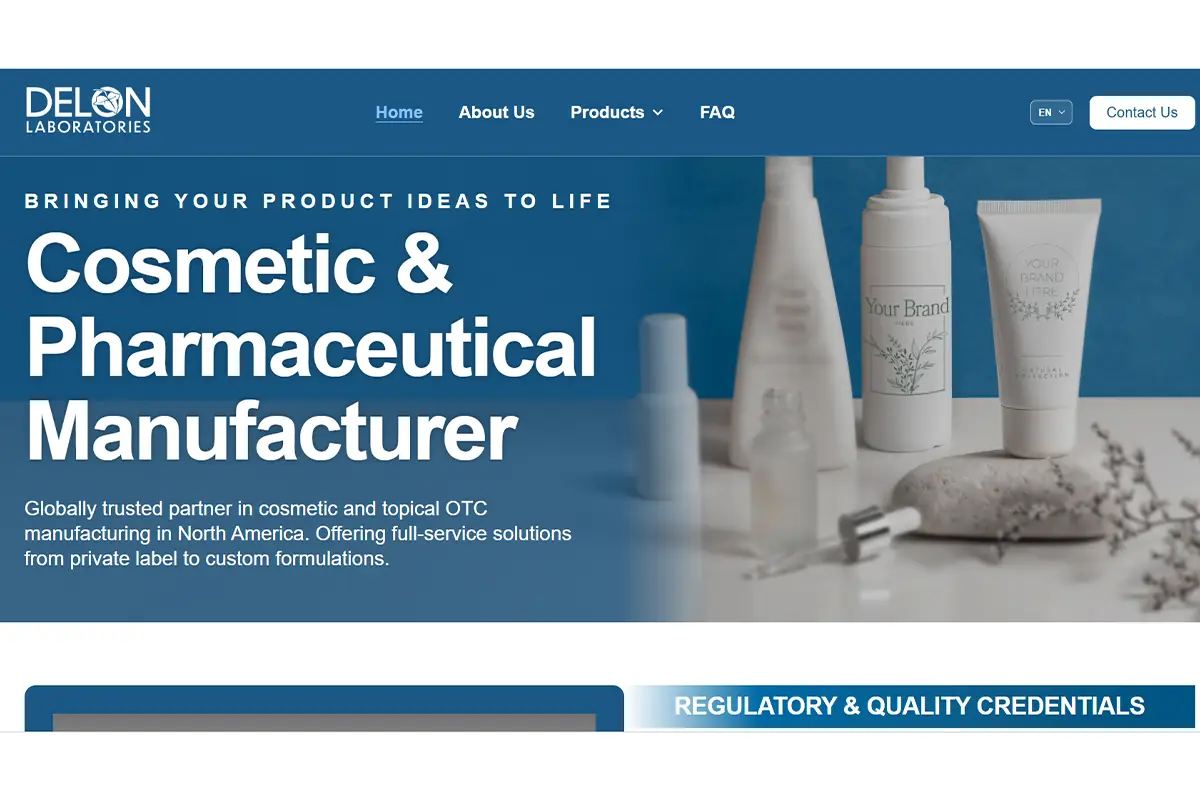
- Core Strengths: Large-scale production of daily moisturizing creams, body butters, dermatological lotions, and health topicals. Delon holds Health Canada drug establishment licensing and US FDA registration, featuring in-house blow-molding and bottle printing alongside compounding kettles.
- MOQ Flexibility: Medium–High. Operations are geared toward scalable contract manufacturing, retail brand programs, and export distribution.
- Best Fit For: Growing beauty brands and retail distributors looking for experienced, cost-effective Canadian manufacturing across daily skincare and personal care categories.
6. Europelab
Headquartered in Montreal, Quebec (operating under the Derme&Co umbrella), Europelab brings over 30 years of cosmetic science experience with a focus on professional dermo-cosmetics and certified-organic botanical ingredients.
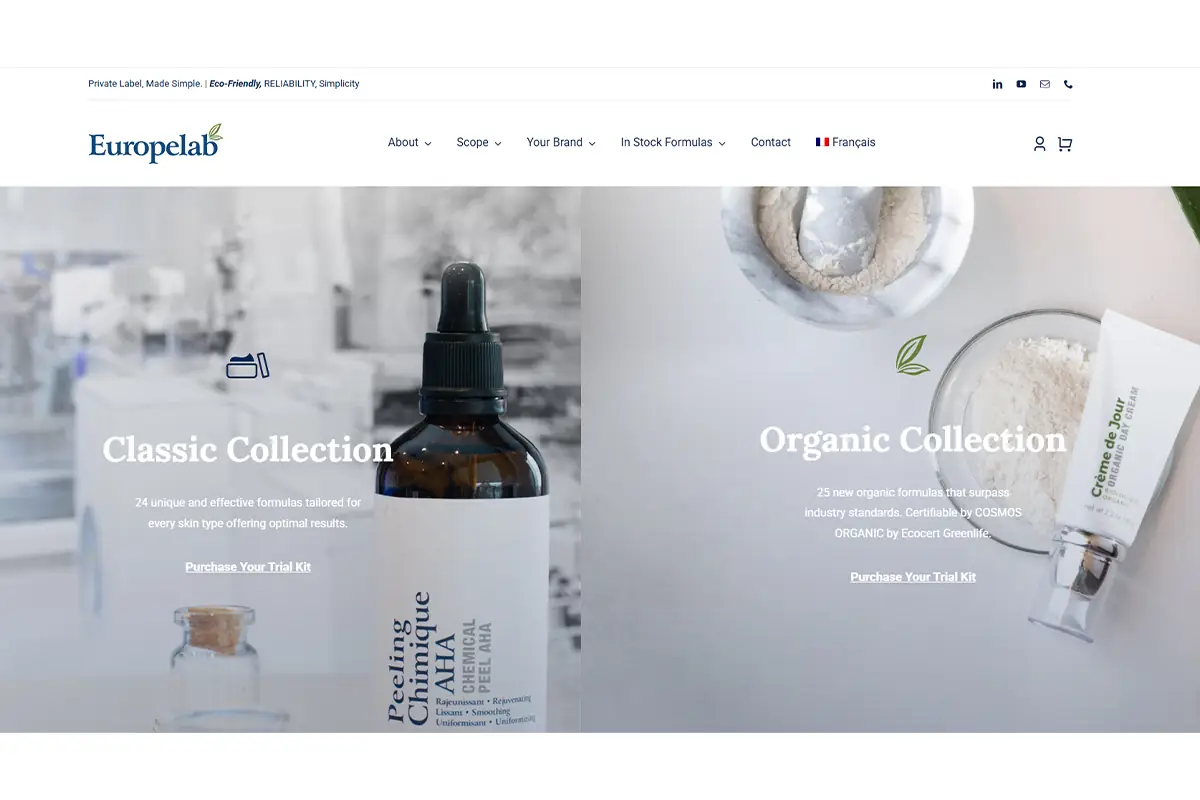
- Core Strengths: High-potency active serums, professional chemical resurfacing peels, soothing post-procedure balms, and natural cosmeceuticals. Their formulations align with European cosmetic standards and feature certified organic extracts.
- MOQ Flexibility: Medium. They offer established turnkey catalog formulations alongside semi-custom development routes for professional aesthetic clinics.
- Best Fit For: Medical aesthetics practices, day spas, and clean-beauty brands seeking refined, European-style formulations compounded in Canada.
7. Vitelle Labs
Operating from Vancouver, British Columbia, Vitelle Labs specializes in manufacturing natural cosmeceuticals, clean clinical treatments, and professional spa skincare lines.
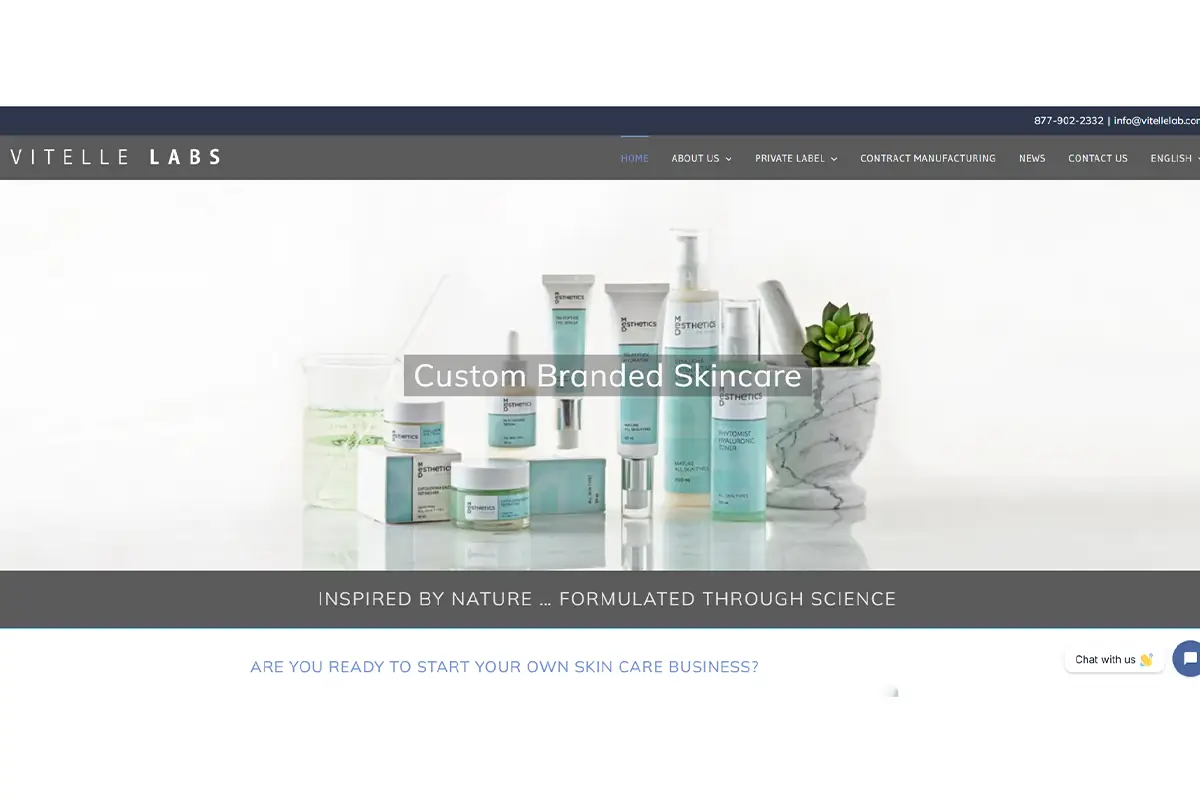
- Core Strengths: Botanical face oils, multi-acid chemical exfoliants, antioxidant serums, and eco-conscious cleansers. They emphasize plant-based active ingredients, clean formulations without harsh preservatives, and specialized private label collections.
- MOQ Flexibility: Medium. Vitelle provides structured private label programs using stock packaging as well as semi-custom active enhancements.
- Best Fit For: Boutique day spas, luxury wellness resorts, and clean beauty brands seeking professional-strength natural skincare.
8. Vicora Cosmeceuticals
Located in North York (Toronto), Ontario, Vicora Cosmeceuticals is a boutique private label and contract manufacturer focusing on targeted skincare, functional serums, and sheet masks.
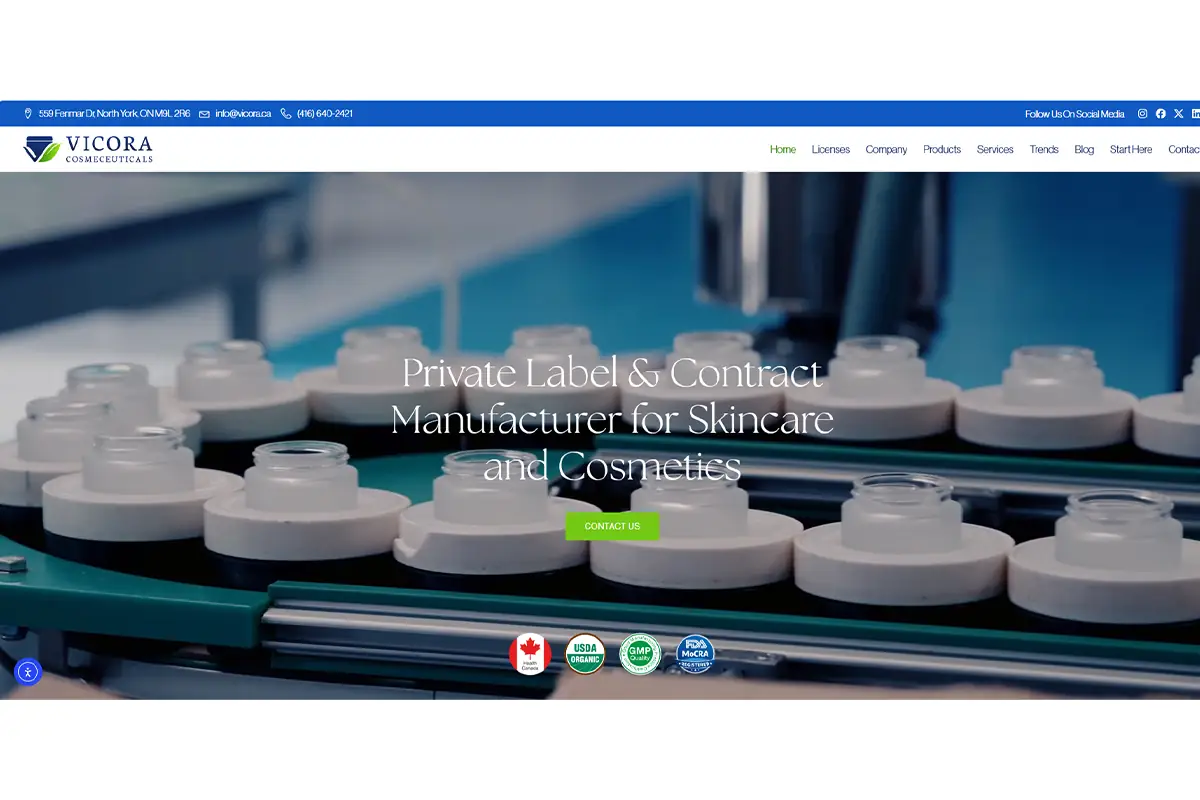
- Core Strengths: Custom and turnkey facial sheet masks, specialized serums, barrier-support creams, and modern facial care. They provide collaborative product development support, helping brands transition from bench samples to completed production.
- MOQ Flexibility: Medium. Their facility provides balanced operational agility for brands seeking tailored production without the extreme minimums of industrial-scale plants.
- Best Fit For: Independent beauty brands, dermatologist lines, and clinical skincare startups looking for collaborative domestic manufacturing.
9. Leslie Cosmetics
Established in 1962 and located in Markham, Ontario, Leslie Cosmetics is an established Canadian contract manufacturer serving the professional salon, aesthetic spa, and private label beauty industries.
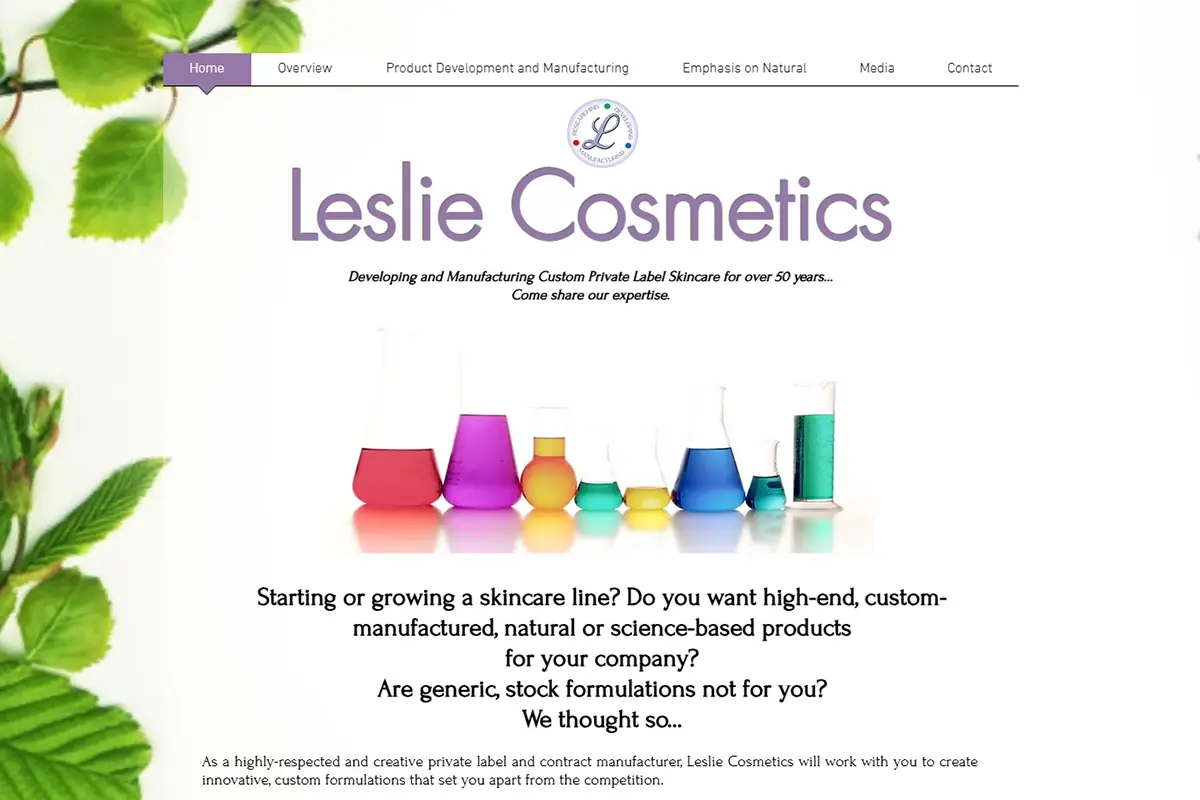
- Core Strengths: Custom formulation and contract packaging for facial cleansers, daily moisturizers, specialty haircare, and personal care products. They provide full batch blending, filling, and coordinated packaging decoration.
- MOQ Flexibility: Medium. Their operational setup accommodates both established salon collections and growing private brands.
- Best Fit For: Beauty professionals, aesthetic clinic owners, and regional brands looking for proven private label catalog products.
10. Urist Cosmetics persuaded Inc.
Based in Richmond, British Columbia, Urist Cosmetics focuses on active cosmeceutical manufacturing, with an emphasis on anti-aging peptides, cellular repair, and skin rejuvenation products.
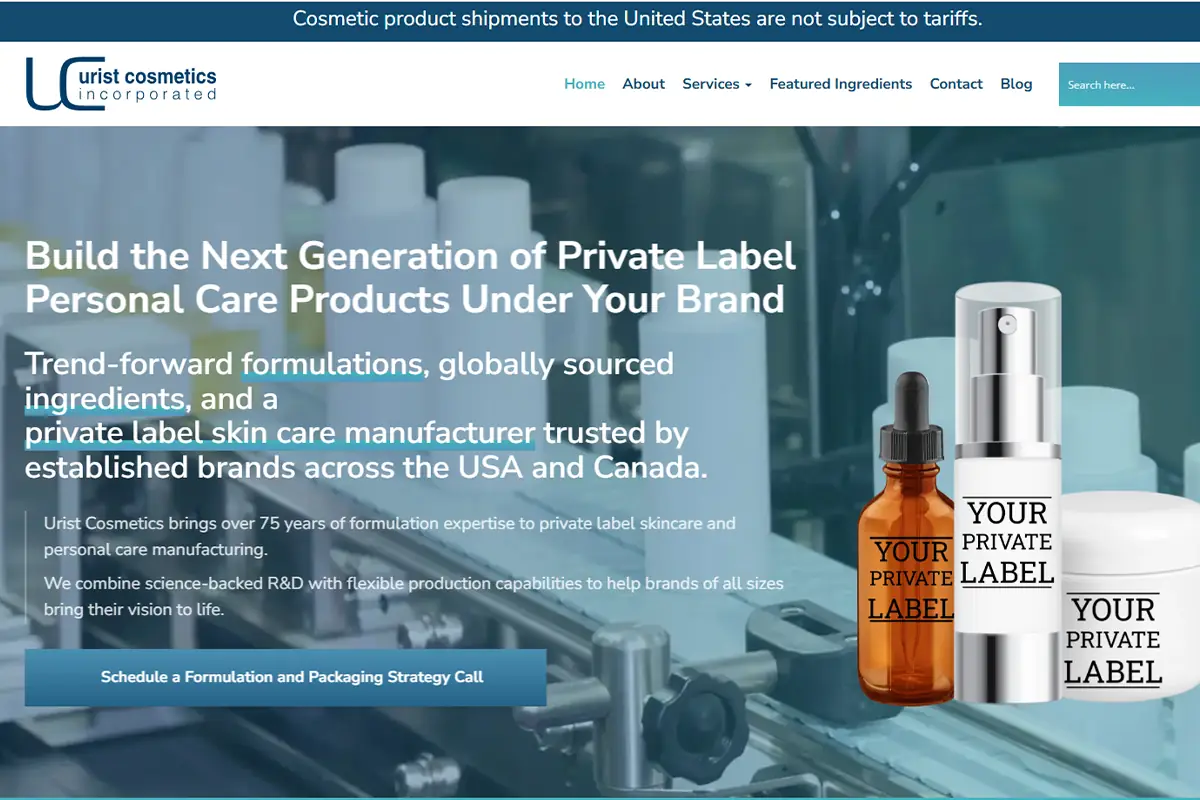
- Core Strengths: High-potency peptide complexes, stabilized Vitamin C treatments, glycolic acid exfoliants, and deeply replenishing ceramide night creams. They maintain an extensive library of ready-to-brand formulas designed for clinical aesthetics.
- MOQ Flexibility: Low–Medium. Their private label programs are accessible to clinical practitioners while supporting regular batch replenishment.
- Best Fit For: Dermatologists, plastic surgeons, and clinical skincare brands seeking potent, active-focused product lines.
When to Consider an International CDMO Partner
While partnering with a domestic Canadian plant provides localized shipping and a “Made in Canada” label, growing brands frequently encounter operational bottlenecks when sourcing entirely within Canada:
- Production Capacity Allocation: Large Canadian contract facilities naturally prioritize high-volume retail accounts, which can result in extended lead times for emerging or mid-tier lines.
- Access to Advanced Delivery Formulations: Developing advanced delivery formats—such as microencapsulated brightening actives, bio-fermented peptides, or anhydrous water-free active suspensions—often requires specialized R&D equipment that boutique domestic plants may not maintain on site.
- Packaging Integration and Capital Allocation: Sourcing custom glass containers, airless dispensers, and multi-process printing through independent domestic brokers can tie up substantial working capital before bulk production begins, compounding the financial pressures outlined in our breakdown of cosmetics manufacturer MOQ realities.
Cross-Border Supply: The Shangpinhui Approach
For brand owners seeking a broader scope of R&D innovation, customized packaging integration, and scalable production flexibility, partnering with an established international CDMO like Shangpinhui Biotechnology Co., Ltd. (BeautyOEM) provides an effective alternative.
- Advanced Delivery & Bio-Fermentation: Rather than relying solely on standard off-the-shelf bases, Shangpinhui specializes in targeted formulation technologies—including microencapsulated 377, liposomal active stabilization, and bio-fermented peptides for advanced custom facial care manufacturing. Brands can review active product architectures directly in the Shangpinhui Product Center.
- Scalable Production for Growing Brands: Shangpinhui supports brands across multiple stages of commercial growth. Production lines are configured to handle both focused pilot batches for market testing and large-scale commercial runs for established international distribution.
- Export-Ready Testing Dossiers: Operating under certified ISO 22716 and GMPC cleanroom standards, Shangpinhui provides comprehensive testing documentation—including complete quantitative INCI disclosures, heavy-metal screening, challenge test reports (ISO 11930), stability data packages, and bilingual labeling assistance—ensuring straightforward compliance with Health Canada and international authorities.
If your product roadmap centers on high-potency liquid treatments, compare technical production variables in our dedicated private label face serum manufacturing guide.
Health Canada Cosmetic Regulations: Key 2026 Compliance Standards
Selling skincare in Canada requires full compliance with the Food and Drugs Act and the Cosmetic Regulations. Whether your products are compounded domestically or imported from an international partner, every brand owner must satisfy these mandatory requirements:
1. The Cosmetic Notification Form (CNF)
Every cosmetic product sold in Canada must be formally notified to Health Canada within 10 days of its first commercial sale.
The CNF submission requires the brand or importer to submit the exact quantitative formulation (or approved percentage ranges), product function, container type, and contact details for both the manufacturer and the Canadian distributor.
Your contract manufacturer must provide a verified Certificate of Analysis (COA) and a quantitative breakdown to ensure your filing accurately reflects the production batch.
2. The Health Canada Cosmetic Ingredient Hotlist
Health Canada maintains a dynamic administrative document known as the Cosmetic Ingredient Hotlist. This list identifies substances that are either prohibited or strictly restricted for use in cosmetics:
- Prohibited Ingredients: Substances that must not be used under any circumstances due to recognized safety risks (e.g., hydroquinone above OTC drug thresholds, bithionol, mercury compounds).
- Restricted Ingredients: Substances permitted only under specific conditions, including maximum concentration limits, mandatory caution statements, or restricted product categories. For example, alpha hydroxy acids (AHAs like glycolic or lactic acid) are restricted to maximum concentrations and require specific pH cutoffs, while essential oils like camphor, eucalyptus, and menthol must remain within strict percentage thresholds to avoid skin sensitization.
Before compounding, your contract manufacturer’s regulatory team must audit your raw ingredient deck against the latest version of the Hotlist.
3. Crucial 2026 Shift: Mandatory Fragrance Allergen Disclosure
For decades, Canadian cosmetics permitted fragrance and aroma compounds to be declared under the generic terms “parfum” or “fragrance” on product labels. Under the amended Cosmetic Regulations published by Health Canada, a phased transition now mandates specific allergen labeling:
- April 12, 2026 (Initial Phase): All cosmetic products sold in Canada must disclose 24 specific fragrance allergens directly on the outer ingredient label whenever they exceed defined thresholds:
- At or above 0.001% for leave-on products (serums, moisturizers, eye creams).
- At or above 0.01% for rinse-off products (cleansers, exfoliants, body washes).
- August 1, 2026 (Expanded Allergen Phase for New Products): From this date forward, all newly introduced cosmetic products placed on the Canadian market must expand their disclosure to include the full list of 81 fragrance allergens (aligning with the European Union’s updated Annex III framework).
- August 1, 2028 (Full Market Compliance): All existing products remaining on Canadian retail shelves must complete the transition to the expanded 81-allergen disclosure list.
Action for Brand Owners: If your formulas contain essential oils, botanical extracts, or synthetic fragrances, work with your manufacturing partner to obtain complete allergen breakdown certificates from fragrance suppliers immediately, ensuring print packaging and CNF filings are compliant ahead of the August 1, 2026 deadline.
4. Mandatory Bilingual Packaging (English and French)
Under the Canadian Consumer Packaging and Labelling Act and Quebec’s Charter of the French Language (Bill 96):
- All mandatory consumer information—including the product identity (e.g., “Hydrating Facial Serum / Sérum Hydratant pour le Visage”), net quantity, directions for safe use, and cautionary statements—must appear in both official languages (English and French) with equal visual prominence.
- The ingredient list itself must follow standard INCI nomenclature (International Nomenclature of Cosmetic Ingredients), which serves as the language-neutral standard.
5. Cosmetic vs. Drug Boundary (DIN / NPN Classifications)
Formulations that make therapeutic claims or contain active medicinal ingredients cross the boundary from cosmetics into drugs or Natural Health Products (NHPs):
- Primary Sunscreens (Chemical or Mineral UV filters) and Antiperspirants require a Natural Product Number (NPN) or a Drug Identification Number (DIN).
- Acne Treatments containing active drug ingredients (such as salicylic acid or benzoyl peroxide above cosmetic thresholds) require specialized therapeutic site licensing and pharmaceutical cGMP validations.
Brands planning multi-market rollouts should also cross-reference North American documentation with UK and EU cosmetic compliance standards to maintain unified packaging artwork across regions.
How to Approach Canadian Contract Manufacturers for Quotations
When requesting manufacturing proposals, sending vague emails like “Looking for pricing on private label face cream” will result in generic responses or inflated pricing buffers.
To receive an accurate, line-item proposal, prepare a structured project brief:
- Target Product Format & Skin Need: Clearly define the vehicle (e.g., 50ml lamellar ceramide cream, hydrating niacinamide fluid serum, gentle amino-acid foam cleanser).
- Formulation Pathway: Clarify whether you are seeking a turnkey catalog formula, modifying an existing base with signature botanicals, or commissioning full custom R&D.
- Key Marketing Ingredients & Claims: List hero actives (e.g., 2% Ectoin, Bakuchiol, Centella Asiatica), fragrance direction (unscented, essential oil, or synthetic), and clean beauty standards (paraben-free, cruelty-free, vegan).
- Packaging Direction: State your container preferences (e.g., glass dropper bottle, airless pump, mono-material recyclable tube) and decoration method.
- Projected Order Volumes: Outline your intended initial launch volume along with planned reorder schedules over 12 months.
- Regulatory Target: Specify distribution scope (domestic Canadian market only or joint Canada-US distribution).
Frequently Asked Questions (FAQ)
Can I sell skincare in Canada without a Canadian business entity?
Yes, an international brand can distribute cosmetics in Canada. However, you must submit a Cosmetic Notification Form (CNF) to Health Canada within 10 days of your first commercial sale. Your product label must also provide a Canadian contact address or the details of your designated Canadian importer/distributor where inquiries and regulatory notices can be served.
What is the purpose of the Health Canada Cosmetic Ingredient Hotlist?
The Hotlist is an administrative tool used by Health Canada to inform manufacturers and brand owners about substances that are either completely banned (e.g., bithionol, chloroform) or strictly restricted (e.g., alpha hydroxy acids, specific essential oils, and preservatives) in cosmetic formulations to protect consumer health.
How will the August 1, 2026 fragrance allergen rule affect my packaging?
Starting August 1, 2026, newly launched skincare products containing any of the 81 recognized fragrance allergens at or above 0.001% (for leave-on products) or 0.01% (for rinse-off products) must list those specific allergens individually on the outer ingredient label, rather than grouping them under “parfum”. Brands should audit fragrance profiles with their chemist before finalizing packaging print runs.
How long does custom skincare development take in Canada?
A domestic custom formulation project in Canada typically takes 6 to 9 months, accounting for benchtop revisions, accelerated stability testing (12 weeks), preservative challenge tests, and packaging lead times. Working with an OEM that has pre-validated base formulations can compress this timeline to 8 to 12 weeks.
Plan Your Skincare Line with Manufacturing Clarity
Building a successful skincare brand requires aligning clinical formula performance, reliable contract packaging, and precise regulatory compliance.
Whether you choose an established domestic manufacturer in Canada or partner with Shangpinhui Biotechnology for specialized active delivery systems and flexible manufacturing, clarity on your product brief, allergen disclosures, and production budgets is the key to a sustainable launch.
Connect with our formulation team to discuss your project specifications, review active facial care technologies, or request sample prototypes for your brand.