
A Practical Guide to Sensitive-Skin Anti-Aging, Lower-Irritation Positioning, and OEM Formulation Strategy
はじめに
In anti-aging skincare, retinol still dominates the conversation.
It is one of the most recognized ingredients in the category, and for good reason. It is strongly associated with renewal, smoother texture, and visible anti-aging performance. But that does not mean every brand should build around it.
This is exactly why bakuchiol keeps appearing in the anti-aging conversation.
As discussed in our article on retinol in anti-aging skincare OEM development, retinol can be highly effective, but it is not automatically the right fit for every brand, market, or user group. Some anti-aging lines need a different route from the start.
That is where bakuchiol becomes commercially relevant.
Its value does not come from being a trendy botanical ingredient. Its value comes from the fact that many anti-aging brands want performance, but do not want irritation, adaptation pressure, or a harsh active image to define the product.
That distinction matters.
Bakuchiol is not strongest when it is treated as a weak copy of retinol. It becomes more valuable when it supports a different anti-aging strategy altogether.
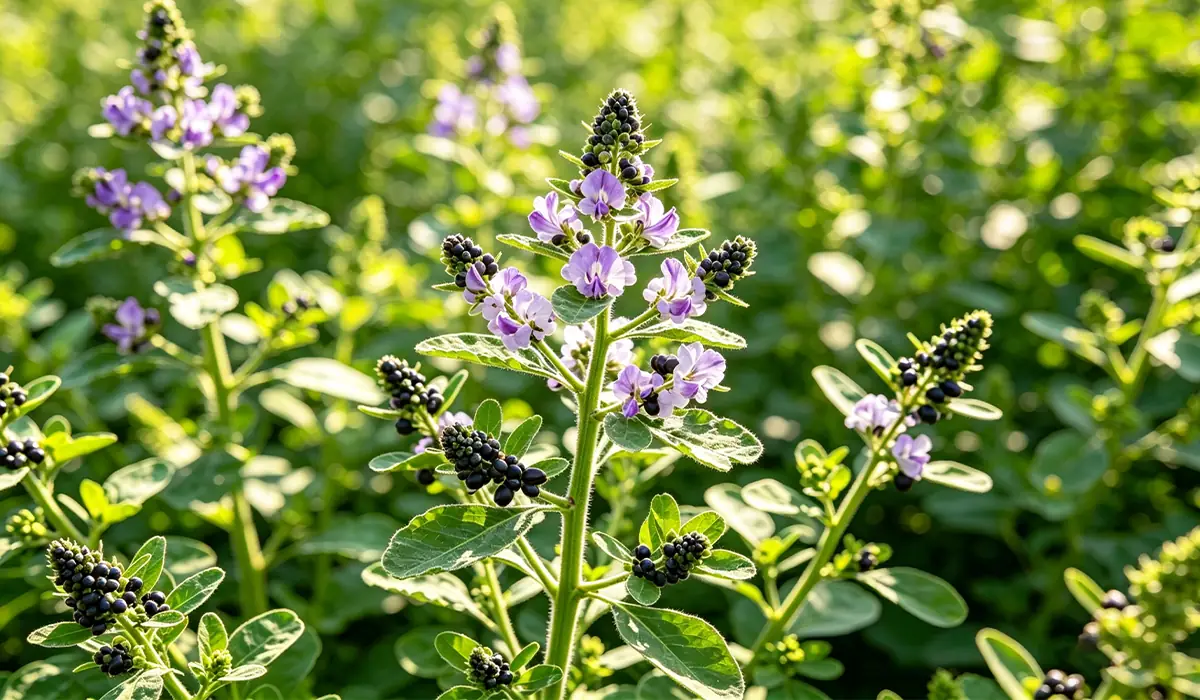
Bakuchiol Is Not Just a Trendy Plant Ingredient
A lot of bakuchiol content fails because it leans too heavily on the word “natural.”
That is not enough.
Bakuchiol became important because it answered a real product development problem. There has always been demand for anti-aging products that feel more approachable, more tolerance-friendly, and more suitable for daily use, especially in brands targeting sensitive-aging consumers or lower-irritation positioning.
That is why bakuchiol continues to attract attention.
It gives brands a route into anti-aging without forcing the product identity into a stronger renewal-heavy or adaptation-heavy story. It fits formulas that want to sound refined, modern, and commercially safe rather than aggressive, corrective, or difficult to tolerate.
This is exactly why it appears so often in premium sensitive-skin anti-aging lines, lower-irritation serums, cleaner-positioned skincare, and products designed for consumers who want anti-aging support without committing to a harder active routine.
Bakuchiol matters because it helps brands build a gentler anti-aging story that still sounds commercially relevant.
That is very different from saying it matters because it is botanical.
Bakuchiol and Retinol Do Not Build the Same Product Logic
Many brands still frame bakuchiol in the simplest possible way:
“Is it a retinol alternative?”
That question is understandable, but it is also too shallow.
Bakuchiol and retinol do not build the same product logic.
Retinol is more strongly associated with renewal, visible refinement, texture improvement, and a more active anti-aging image. It works best in formulas that want to emphasize stronger performance, more obvious resurfacing direction, or a higher-adaptation anti-aging route.
Bakuchiol usually fits a different commercial logic.
It is more suitable when a brand wants anti-aging support without making irritation, adjustment periods, or stronger renewal pressure the center of the formula. It aligns more naturally with lower-irritation positioning, sensitive-aging concepts, and daily-use anti-aging stories that depend on consistency and comfort rather than active intensity.
That difference changes the entire product strategy.
A retinol-led formula often says renewal. A bakuchiol-led formula often says gentler anti-aging support.
A retinol product may signal strength through visible activity. A bakuchiol product is more likely to signal safety, consistency, and lower-pressure anti-aging.
This is why bakuchiol should not be treated as a weaker version of retinol. It becomes more useful when it is positioned as a different route with different strengths.
When Bakuchiol Works Better Than Retinol in OEM Development
Not every anti-aging line benefits from a stronger active profile.
That is one of the most important judgments brands need to make before OEM development begins.
Bakuchiol often works better than retinol when the brand is building around one or more of the following directions:
sensitive-skin anti-aging
lower-irritation positioning
daily-use anti-aging
premium botanical anti-aging
recovery-conscious anti-aging
users with weaker tolerance for stronger actives
In these cases, the formula does not need to compete on active harshness. It needs to compete on elegance, tolerance, consistency, and product identity.
That is where bakuchiol becomes commercially useful.
For some brands, especially those targeting consumers who are hesitant about retinoids or who want a gentler path into anti-aging, bakuchiol can offer a more suitable central route. It allows the product to stay in the anti-aging category without forcing the brand to carry the full commercial baggage of a stronger retinol story.
That can be a strategic advantage.
A brand does not always need the strongest active image. Sometimes it needs the right anti-aging language for the right user.
Bakuchiol performs best when the product line understands that difference.
Why Many Bakuchiol Products Still Fail in Positioning
Bakuchiol solves one problem, but creates another.
It helps brands avoid the harsher image that often surrounds stronger actives. But if that is the only thing the product communicates, the formula quickly becomes weak in positioning.
This is where many bakuchiol products fail.
They say “gentle.” They say “plant-based.” They say “retinol alternative.” And then they stop.
That is not enough to build a strong anti-aging product.
A bakuchiol formula that only says “gentle” is often too weak to win serious anti-aging positioning.
Why? Because anti-aging buyers still need to feel that the product has direction. If the formula sounds soft but vague, it stops feeling premium and starts feeling noncommittal. That is a commercial problem.
For bakuchiol to work well, the product has to say more than “we avoided stronger actives.” It has to say what kind of anti-aging route it is actually taking.
Is it a sensitive-aging serum? A daily-use firming product? A lower-irritation premium cream? A recovery-first anti-aging line? A botanical anti-aging route with stronger tolerance claims?
If the product cannot answer that question clearly, bakuchiol becomes a label, not a strategy.
What OEM Development Should Evaluate Before Choosing Bakuchiol
A gentler ingredient still needs a strong strategy.
Before choosing bakuchiol, brands need to decide whether they are building a clear anti-aging route or simply avoiding stronger ingredients.
That difference matters.
The first question is whether the brand is building a true sensitive-aging or lower-irritation line, or whether it is only using bakuchiol as a defensive substitute. Strong formulas are usually built around a clear role, not around avoidance.
The second question is product role.
Will bakuchiol sit inside a serum, a cream, an eye-area product, a daily-use formula, or a broader recovery-oriented anti-aging system? These are not small format decisions. They influence texture, speed of absorption, layerability, and the type of commercial promise the formula can credibly support.
The third question is whether bakuchiol should lead the formula or support a wider anti-aging architecture.
Some projects work best when bakuchiol is the main anti-aging route. Others are stronger when it supports a larger system that also includes barrier-conscious design, supportive actives, or other ingredients that strengthen the product identity.
The fourth question is commercial language.
What exactly should the formula be able to say? Gentle anti-aging? Lower-irritation support? Daily-use renewal? Sensitive-skin anti-aging? Premium botanical support? These positioning differences are critical in OEM development because they shape both the formula and the sales story.
A strong OEM partner should not just ask whether a brand wants bakuchiol. A strong OEM partner should ask what kind of anti-aging route the brand is trying to build with it.
That is where strategy starts.
Where Bakuchiol Creates the Strongest Commercial Opportunity
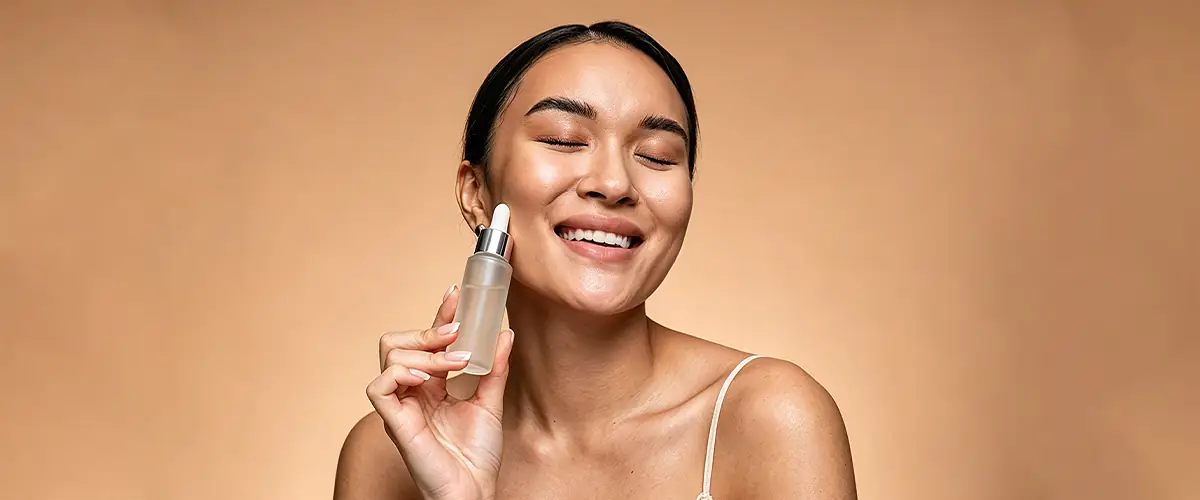
Bakuchiol works best in product lines that need to feel modern, anti-aging, and commercially safe at the same time.
Its strongest commercial opportunities often appear in:
sensitive-aging serums
lower-irritation anti-aging creams
daily-use anti-aging lines
premium botanical anti-aging products
retinol-alternative positioning
eye and neck care concepts
recovery-conscious anti-aging systems
That is a strong commercial range.
Bakuchiol gives brands a way to build anti-aging products that still feel marketable without forcing the formula into a harsher active identity. It is particularly useful when the brand wants to sound refined, contemporary, and performance-aware, but not overly corrective or intimidating.
This is why bakuchiol works especially well in brands that care about consumer hesitation.
Many users want anti-aging. Fewer users want to deal with the idea of irritation, adjustment, or stronger active pressure. Bakuchiol gives brands a way to speak to that audience without leaving the anti-aging category.
That is its real commercial strength.
Not that it is gentler in theory, but that it fits a real and scalable market need.
結論
Bakuchiol is not important because it imitates retinol.
It is important because it supports a different anti-aging route.
That route becomes valuable when brands want to build around gentler support, lower-irritation positioning, sensitive-skin anti-aging, or more elegant long-term product logic rather than stronger renewal pressure.
This is where many brands still get it wrong.
They treat bakuchiol as if it only matters in comparison to retinol. That is too limited. The stronger way to use it is not to ask whether it is a perfect substitute. The stronger way is to ask whether it fits the anti-aging line better than a more aggressive route would.
That is a much smarter OEM question.
Brands that understand this are far more likely to turn bakuchiol into a coherent, differentiated anti-aging product rather than a weak “gentle alternative” label.
Before moving into the FAQ section, here are a few practical questions brands often ask when evaluating bakuchiol for anti-aging OEM development.
FAQ
Q1:Is bakuchiol really an alternative to retinol?
It can be positioned that way, but its real value is broader than simple substitution. Bakuchiol becomes more commercially useful when it supports a gentler anti-aging route rather than being treated as only a weaker retinol replacement.
Q2:Who should choose bakuchiol in anti-aging skincare OEM development?
It is especially suitable for brands building sensitive-aging lines, lower-irritation anti-aging concepts, daily-use products, recovery-conscious formulas, or premium botanical anti-aging positioning.
Q3:What kind of bakuchiol product works best for premium or sensitive-skin brands?
Bakuchiol tends to work best in products that need to feel elegant, comfortable, and commercially safe while still maintaining a strong anti-aging identity, such as sensitive-aging serums, lower-irritation creams, or daily-use anti-aging lines.

 Japanese
  English
  Uzbek
Uzbek  Kazakh
  Turkish
  Russian
  Arabic
  Spanish
  Portuguese
  French
  German
  Korean