
How Advanced Delivery Technology Supports Premium Positioning, Better Stability, and Stronger OEM Execution
Introduction
In the competitive world of skincare OEM, the difference between a mass-market whitening serum and a more premium product often is not the active ingredient alone, but how that ingredient is delivered to the skin.
Many brands still focus first on familiar brightening names such as niacinamide, tranexamic acid, phenylethyl resorcinol, or vitamin C derivatives. These ingredients are important, but they do not fully explain why some whitening serums remain ordinary while others support a more refined market position, better user experience, and stronger repeat-purchase potential.
For brands developing a high-end brightening product, liposome delivery systems deserve serious attention. They are not just technical language added for marketing appeal. In the right OEM project, they can influence stability, absorption behavior, sensory elegance, and the overall commercial credibility of the final serum.
This is why liposome whitening serum OEM development is not only a formulation topic. It is also a positioning and execution topic.
The Stability Challenge in Whitening Formulations
Many whitening formulas are built around highly attractive active ingredients, but some of the most commercially promising brightening actives are also among the most formulation-sensitive.
Vitamin C derivatives, phenylethyl resorcinol, retinoid-related systems, and other performance-driven ingredients may face challenges related to oxidation, compatibility, or long-term formula appearance if the system is not designed carefully. When this happens, brands may see changes in color, texture, or overall product consistency over time.
From a business perspective, this is more than a technical inconvenience. A formula that looks unstable on the shelf or feels inconsistent in repeated use can lead to weaker user confidence, more complaints, and difficulty maintaining a premium market position.
This is one reason how delivery systems amplify mild whitening actives has become increasingly important in advanced OEM formulation design. Delivery technologies can help protect more sensitive ingredients and support a more controlled formulation environment.
For brands working with niacinamide or combination systems, it is also useful to understand niacinamide stability in whitening formulations and why compatibility strategy plays such an important role in long-term product quality.
Why Absorption Quality Matters for Commercial Performance
A whitening serum can sound strong on paper and still feel underwhelming in actual use.
One reason is that product performance is not judged only by active percentage. Consumers also respond to how the serum spreads, absorbs, layers, and feels on the skin over time. If a formula sits heavily on the surface, feels sticky, or fails to create a refined application experience, the product may struggle to justify a more premium positioning.
Liposome delivery systems matter here because they are often used to support a more elegant and functional relationship between the active system and the skin. Rather than treating whitening as a simple issue of adding stronger ingredients, liposome-based development focuses more on how the formula delivers actives in a way that feels more balanced and commercially polished.
For brand owners, this is a crucial distinction. A serum that supports better sensory performance and a more convincing user experience is often more valuable than one that simply lists more fashionable ingredients on the box.
When brands begin comparing development partners, this is also why it helps to understand how to choose a whitening serum OEM manufacturer with real technology capability rather than relying only on ingredient claims or sample-first impressions.
High-End Whitening Products Need More Than Strong Claims
Premium whitening serum development depends on more than visible efficacy claims.
A higher-end product is usually expected to deliver a more complete experience, including:
-
stable appearance over time
-
refined texture
-
elegant absorption
-
lower visible complaint risk
-
better alignment between formula feel and price positioning
This matters because many consumers do not evaluate products through technical language. They evaluate them through repeated experience. Does the serum still look good after weeks of use? Does it feel clean and elegant on the skin? Does it support confidence rather than doubt?
This is where liposome systems can create real value. In many OEM projects, their importance lies not in making exaggerated performance promises, but in helping the formula behave in a way that better supports premium positioning.
In other words, the formula sheet alone does not define a premium whitening serum. The actual product experience does.
Higher Value Often Depends on Better Balance, Not Just More Strength
A common mistake in whitening product development is assuming that a more premium serum must always feel more intense.
In reality, high-end consumers often want a different balance: visible brightening support, but with a smoother, more comfortable, and more sophisticated user experience. A formula that feels harsh, unstable, or overly aggressive may limit its own market range, even if the active system appears strong.
This is one reason advanced delivery systems matter commercially. They can help support a more balanced formula direction, where efficacy is developed together with texture, stability, and user tolerance.
That balance becomes even more important when a brand is not targeting only highly tolerant users, but also consumers who expect a brightening serum to feel elegant enough for regular use. This is closely related to designing a whitening formula for sensitive skin and why successful premium development often depends on more than just active intensity.
Liposome Technology Has Commercial Value Only When It Can Be Manufactured Well
A strong technical concept creates limited value if it cannot be executed consistently in production.
This is one of the most important differences between attractive formulation language and real OEM capability. Many brands hear terms like liposome, encapsulation, or advanced delivery and immediately associate them with premium skincare. But in commercial reality, those technologies only matter when they can be translated into stable and repeatable manufacturing.
That means liposome whitening serum OEM development should not be evaluated only at the concept level. Brands should also consider whether the manufacturer can support:
-
process consistency
-
particle uniformity
-
stable scale-up
-
batch-to-batch reliability
-
alignment between laboratory sample and final production
This is where in-house capability becomes meaningful. A manufacturer with dedicated production conditions, controlled homogenization processes, and real delivery-system experience is in a better position to turn a premium concept into a commercially reliable product.
For brands planning long-term product launches rather than one-off samples, it is also important to understand the broader whitening serum development process and how lab logic must connect to mass production.
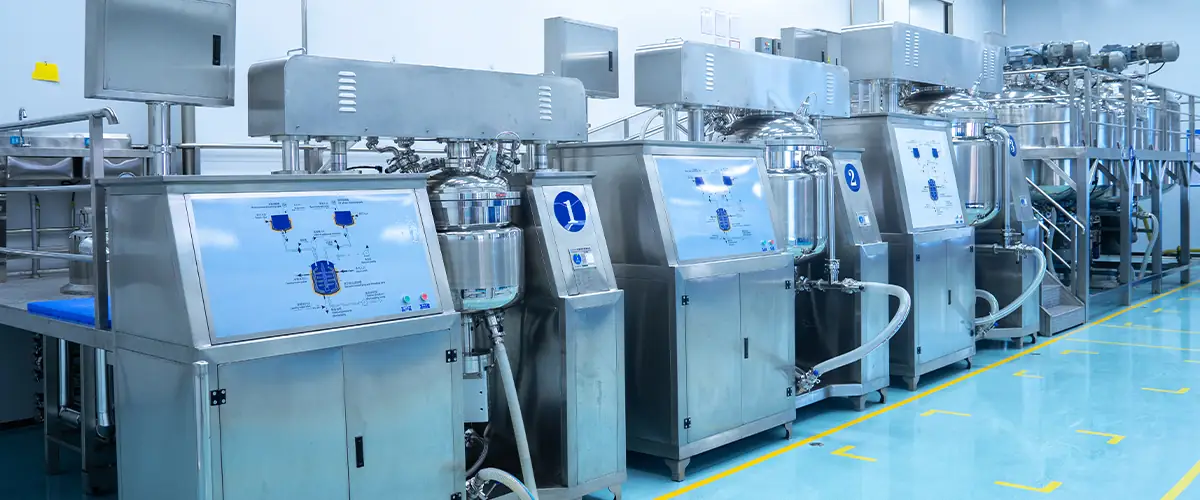
Why In-House OEM Delivery Capability Matters
Not all OEM manufacturers approach delivery systems the same way.
Some rely heavily on outsourced technology inputs and standard templates. Others build stronger internal capability around how advanced delivery systems are selected, processed, and integrated into the final serum. For premium projects, that difference matters.
When a manufacturer can work with liposome-related development in a more controlled way, brands gain several practical advantages:
-
clearer technical communication
-
better alignment between positioning and formulation
-
stronger confidence in scale-up feasibility
-
more consistent translation from sample to final batch
-
a more credible premium product story
This is also where delivery technology stops being a buzzword and starts becoming a real OEM solution. The commercial benefit does not come from saying the product uses liposomes. It comes from whether that system improves the product in a way users can actually feel and whether the manufacturer can reproduce that quality consistently.
For a broader view of how advanced technical routes strengthen product differentiation, it is also helpful to review OEM whitening technology in relation to stability, delivery, and formulation strategy.
From Technical Positioning to Repeat Purchase
A premium whitening serum succeeds when technical value becomes user value.
That means the formula must not only sound advanced during development meetings. It must also remain convincing after launch, when real users judge the product by appearance, feel, comfort, consistency, and trust.
If liposome delivery systems help support better sensory performance, more stable presentation, and a more refined brightening experience, they can contribute to stronger commercial positioning over time. That does not happen automatically. It depends on whether the technology is matched with the right formula logic and whether the OEM manufacturer can execute it well.
For brands building a more differentiated brightening line, it is also worth exploring fermented actives in whitening formulation as another route to strengthen product identity beyond standard ingredient-list competition.
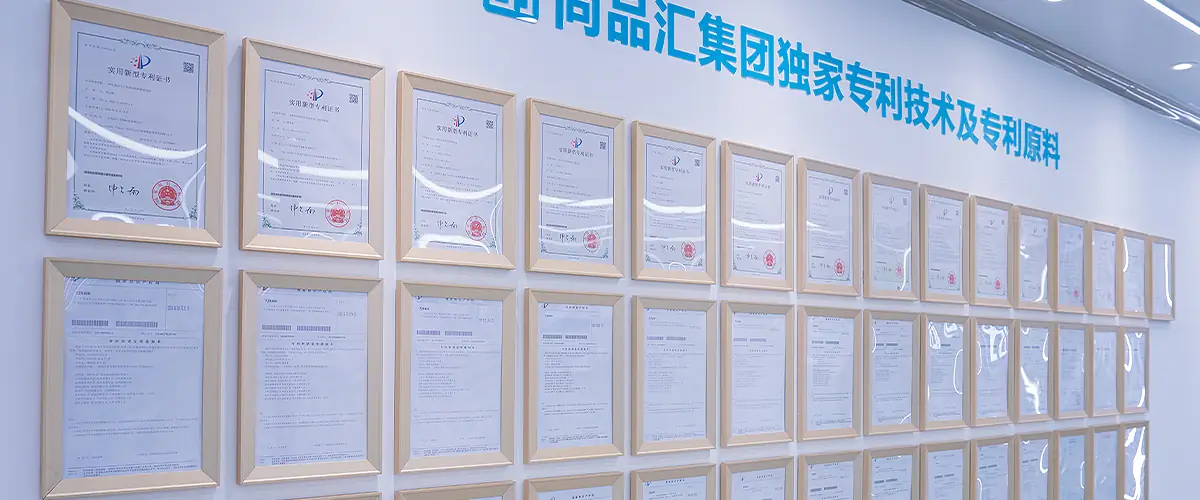
Conclusion
Liposome delivery systems matter in high-end whitening serum development because they help brands move beyond simple ingredient-list competition.
In many OEM projects, their value lies not only in technical sophistication, but in what they can support commercially: better stability, more refined product feel, stronger positioning, and a more convincing relationship between the formula and its premium price level.
For brands, this means a high-end whitening serum is not created by actives alone. It is created through a more complete system that includes delivery quality, compatibility logic, stability control, and manufacturing execution.
For OEM manufacturers, this means advanced delivery technology only becomes commercially meaningful when it can be produced consistently and translated into a market-ready product.
Before moving into the FAQ section, it is also worth noting that liposome systems are only one part of advanced development thinking. Broader whitening serum OEM technology often determines whether a premium concept remains a good idea on paper or becomes a reliable product in the market.
FAQ
Q1:Do liposome delivery systems automatically make a whitening serum premium?
No. Liposome systems do not automatically create a premium product. Their value depends on how well they support stability, sensory performance, user experience, and manufacturing consistency.
Q2:Why are ingredient lists alone not enough for premium whitening serum development?
Because premium products are judged by more than actives. They are also judged by texture, appearance stability, comfort, absorption feel, and whether the final formula supports repeat user confidence.
Q3:How do liposome systems help in whitening serum OEM development?
They may help support better ingredient protection, improved formulation elegance, and a more refined overall serum experience, especially in technically demanding brightening formulas.
Q4:What should brands ask an OEM manufacturer about liposome technology?
Brands should ask why liposome systems are appropriate for the formula, how they influence stability and sensory performance, and whether the manufacturer can scale the system consistently in production.
Q5:Why does manufacturing capability matter in premium whitening serum positioning?
Because even strong technical concepts lose value if they cannot be produced reliably. Premium positioning depends on whether the OEM manufacturer can convert advanced formulation ideas into stable, repeatable commercial products.

 Uzbek
Uzbek  English
  Kazakh
  Turkish
  Russian
  Arabic
  Spanish
  Portuguese
  French
  German
  Japanese
  Korean