
How dry skin can balance whitening and hydration by finding the best formula solution.
Введение
This dry skin whitening formula guide answers two pressing questions for dry, dull skin: Can dry skin use whitening products? And should you hydrate first or whiten first?
While these questions may seem about skincare order, at their core, they are about how dry skin balances “whitening” and “hydration” in a formula. Today, we will provide a complete solution to this paradox, focusing on skin physiology, formula design logic, hydration system building, and ingredient selection principles. This will help consumers find answers and provide brand owners with actionable OEM development ideas.
Section 1. Can Dry Skin Use Whitening Products?
The answer is clear: Yes, but only with “whitening formulas specifically designed for dry skin.”
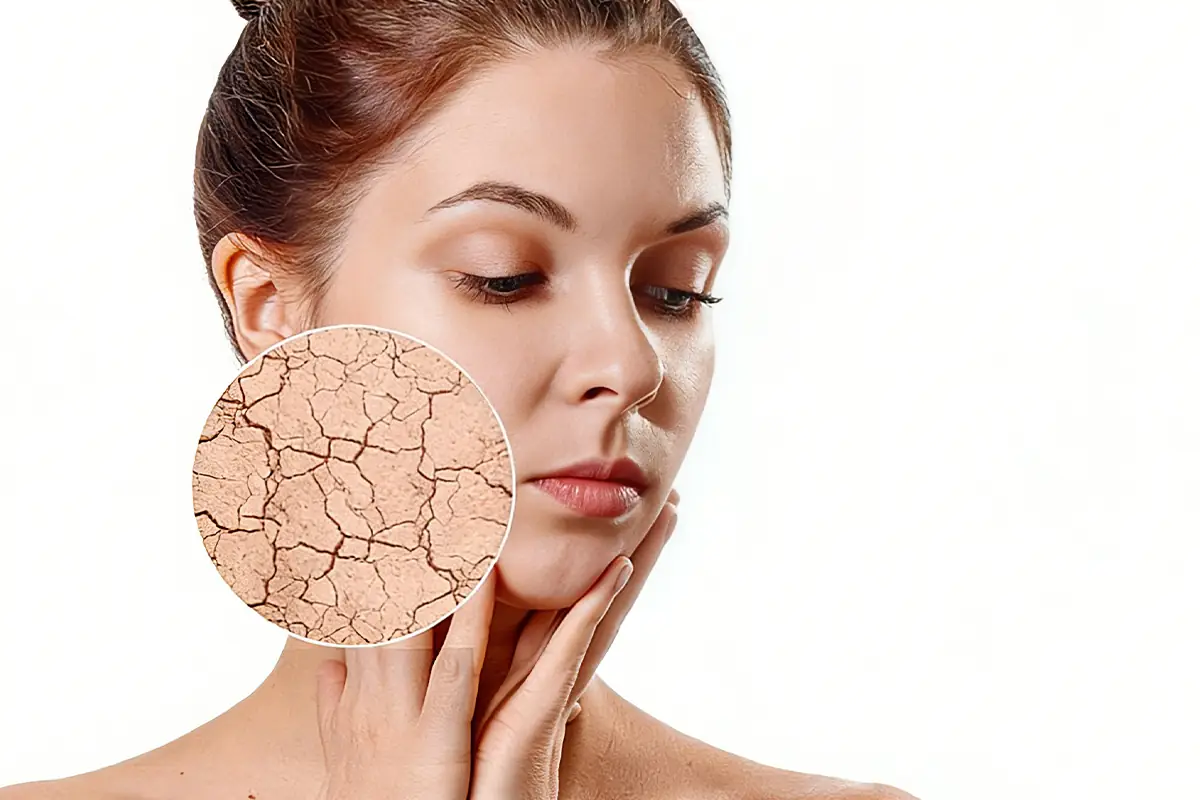
Dry skin has three inherent drawbacks:
- Low levels of Natural Moisturizing Factor (NMF)
- Thin sebum layer, poor water retention
- More prone to damage, redness, and sensitivity
Regular whitening products often focus on oil control, freshness, and even mild exfoliation, which can easily lead to:
- Tightness, dryness, peeling, stinging, redness
- Worsening dryness and darkening
Conclusion: Dry skin can use whitening products, but they must be “moisturizing and reparative.”
Section 2. When Skin is Dry and Dull, Should You Hydrate First or Whiten First?
The correct answer is: Hydrate and stabilize first → then gently whiten → eventually achieve “hydration + whitening” simultaneously.
- When the skin barrier is unhealthy or extremely dry: Prioritize repair and hydration
- Once the skin is stable: Whitening and hydration can be done simultaneously.
The ultimate solution: A product that provides whitening, hydration, and repair all in one, meeting the core needs of dry skin.
Section 3. Core Design Principles for Dry Skin Whitening Formulas
3.1 Gentleness First, Reject Aggressive Exfoliation
Never compromise the skin barrier for short-term brightening effects.
3.2 Whitening and Hydration Should Be in the Same System
Avoid formulas that separate “whitening” and “hydration” into two layers.
3.3 Texture Goals
- Hydrating without being greasy
- Fast absorption
- No pilling
3.4 Long-Term Stability
- No rebound darkening
- No irritation
- Low sensitivity risk
Now that we understand the key principles, let’s dive deeper into selecting the right ingredients for a gentle and effective dry skin whitening solution.
Section 4. Ingredient Selection Logic for Dry Skin Whitening (Professional and Unique)
4.1 Four Key Screening Criteria for Dry Skin Whitening Ingredients
- Low irritation, no damage to the stratum corneum
- Has soothing / reparative potential
- Highly compatible with the hydration system
- Gentle anti-melanin activity, without aggressive exfoliation
4.2 Recommended Mild Whitening Ingredients
- Mild tyrosinase inhibitors
- Stable vitamin C derivatives
- Skin-friendly, low-irritation tranexamic acid
- Soothing, anti-inflammatory, and synergistic brightening agents
4.3 Differentiation Core: In-house Functional Whitening Actives
- Combining whitening pathways + naturally-inspired moisturizing factors
- Non-drying, non-irritating, highly comfortable for dry skin
- Stable, OEM-friendly, perfect for mass production
- Achieving “whitening, moisturizing, and repairing” all at once
4.4 Ingredients to Strictly Avoid for Dry Skin Whitening
- Highly irritating, aggressive exfoliating whitening agents
- Ingredients that cause dryness and peeling
- Ingredients that conflict with hydration systems or cause pilling
- Ingredients with low tolerance that may lead to redness or inflammation
To learn more about how these gentle actives compare and perform in stable formulations, explore our deep dive into popular whitening ingredients:
Section 5. Core of Dry Skin Formulas: Three-Layer Hydration System
This is the key to ensuring that whitening works without causing dryness or rebound darkening.
5.1 Instant Hydration Layer
- Quickly boosts skin’s water content
- Relieves tightness
- Reduces whitening irritation
5.2 Long-Lasting Water Retention Layer
- Enhances the skin’s natural water-retention ability
- Improves dryness at the root
5.3 Light, Non-Greasy Sealing Layer
- Uses lightweight oils to lock moisture
- Does not clog pores
- Achieves “hydration without oiliness”
Section 6. Two Directly Applicable Dry Skin Whitening Formula Directions
6.1 Soothing and Stabilizing Whitening Formula
- Suitable for: Sensitive dry skin, red dry skin, stability and brightening.
- Highlights: Whitening + Soothing + Repairing, high tolerance, no rebound darkening.
6.2 Moisturizing and Brightening Formula
- Suitable for: Dull, dry skin, rough, dehydrated skin, those seeking a glowing finish.
- Highlights: High hydration, high permeability, premium texture, no dryness, no greasiness.
Section 7. OEM/ODM Practical Tips
7.1 Recommended Formulation Types
Whitening serums / light hydrating essences > high-oil creams
7.2 Texture Control
Lightweight oils + high-molecular moisturizers for a hydrating yet non-greasy finish with fast absorption.
7.3 Stability Control
Synchronize whitening and hydration systems to avoid separation, discoloration, or effectiveness loss.
7.4 Testing Focus
- Hydration effectiveness
- Barrier improvement
- Mildness
- Brightening effect
Conclusion
Can Dry Skin Use Whitening Products?
Yes, but they must be specially designed formulas that balance both whitening and moisturizing.
When Skin is Dry and Dull, Should You Hydrate or Whiten First?
First hydrate and stabilize, then whiten. The ultimate solution is: one bottle for whitening + hydration + repair.
The core of dry skin whitening is not about piling on ingredients, but synchronizing whitening, hydration, and repair. Only then can you create a high-repeat purchase, differentiated, and successful dry skin whitening product.
For brands looking to develop whitening products for other skin types, our guide to oil-acne skin whitening provides a complementary framework:

 Russian
  English
  Uzbek
Uzbek  Kazakh
  Turkish
  Arabic
  Spanish
  Portuguese
  French
  German
  Japanese
  Korean