PDRN vs exosome skincare is not only an ingredient comparison. Private label brands must also evaluate target-market regulations, formula stability, manufacturing cost, packaging and commercial positioning.
Both concepts are receiving strong attention from skincare brands. However, a trending active is not automatically suitable for every market, price point or product format.
Before choosing either direction, a brand should answer five questions:
- Can the selected ingredient be used in the target sales market?
- Can the desired claims remain within the cosmetic category?
- Is the ingredient suitable for a conventional liquid formula?
- Would a freeze-dried or dual-component format provide a meaningful advantage?
- Can the expected retail price support the formula, packaging, testing and production cost?
The better B2B question is not:
“Which ingredient sounds more advanced?”
“Which ingredient can be developed into a stable, compliant and commercially viable product for my target customer?”
This guide compares PDRN and exosome-based skincare from a private label and OEM manufacturing perspective.
Quick Answer: PDRN or Exosome-Based Skincare?
Choose PDRN when your priority is a more straightforward conventional product launch. Consider an exosome-based concept when your brand can support closer regulatory review, stronger consumer education and a higher-value product format.
| Brand situation | More practical direction | Main reason |
|---|---|---|
| First skincare launch | PDRN liquid serum | Familiar format and clearer product communication |
| Limited initial budget | PDRN | Formula and packaging costs are easier to control |
| Hydrating, firming or barrier-support serum | PDRN | Suitable for familiar leave-on skincare formats |
| Premium biotechnology positioning | Exosome-based concept | Stronger technology-led and prestige story |
| Target market is not confirmed | Do not finalize the active | Ingredient eligibility and claims vary by market |
| Active should remain separate from water | Freeze-dried or dual-component format | Dry and liquid components remain separate until activation |
| Fastest practical launch | Documented PDRN formula in standard packaging | Lower development and packaging complexity |
This is a commercial decision framework rather than a universal claim that one ingredient category is always better.
What Is PDRN in Skincare Manufacturing?
PDRN is a DNA-fragment mixture used in cosmetic concepts focused on hydration, firmer-looking skin, smoother texture and barrier-support care.
PDRN stands for polydeoxyribonucleotide. Established PDRN materials are commonly associated with purified DNA fragments obtained from salmonid sources, although the commercial cosmetics market also contains other DNA-derived or vegan-positioned concepts that must be assessed separately.
Commercial PDRN raw materials may differ in:
- Source and purification process
- Concentration and molecular-weight distribution
- Recommended use level
- Processing-temperature limits
- Suitable formula pH
- Storage conditions
- Cosmetic ingredient name
- Available safety and regulatory documentation
PDRN has a scientific and commercial history connected with professional and medical applications, but those applications should not automatically be converted into claims for an ordinary leave-on cosmetic.
For cosmetic product development, PDRN may be incorporated into:
- Face serums and ampoules
- Eye serums
- Firming and anti-wrinkle creams
- Barrier-support formulas
- Facial masks
- Freeze-dried powders
- Intensive treatment sets
The finished formula may combine PDRN with hyaluronic acid, peptides, panthenol, ectoin, beta-glucan, ceramide systems, fermented extracts, Centella asiatica, amino acids and moisturizing polysaccharides.
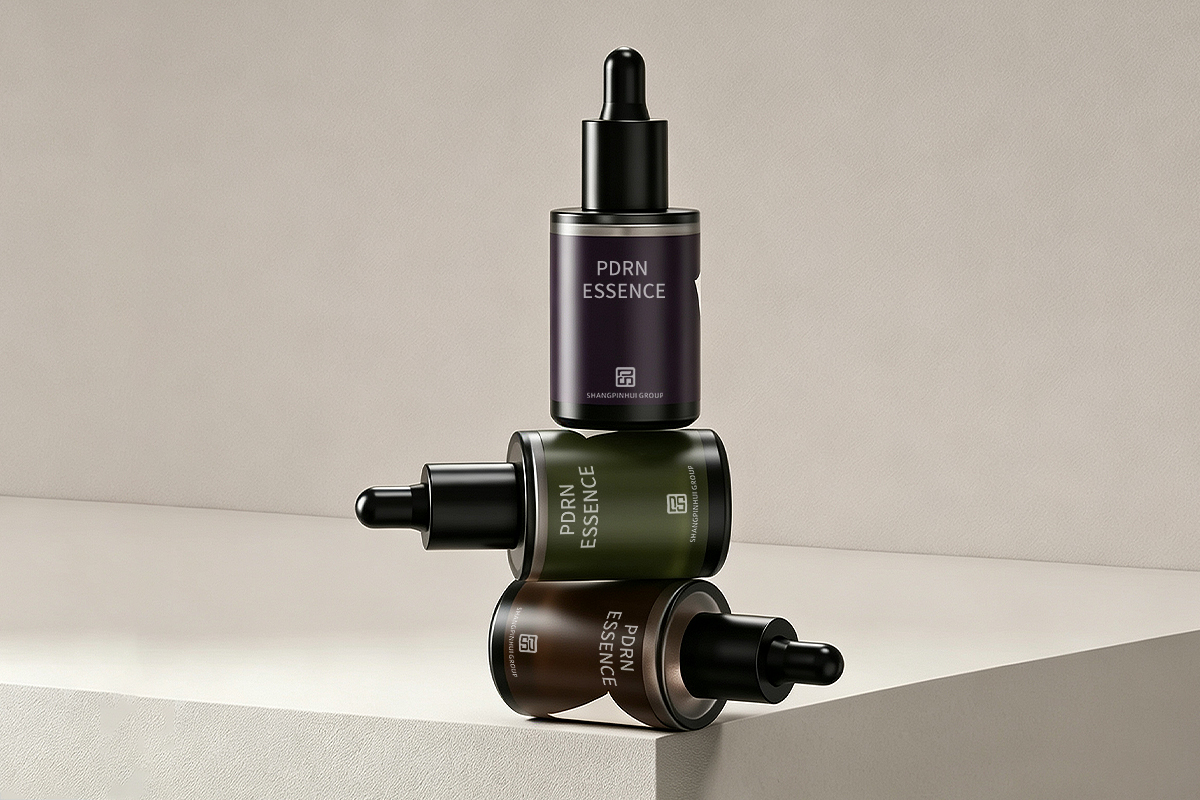
The commercial value of a PDRN product comes from the complete formula, texture, package and evidence—not only from the ingredient name or a large PPM number printed on the carton.
What Is Exosome-Based Skincare?
Exosome-based skincare is a commercial category built around extracellular-vesicle, cellular-messenger and biotechnology concepts.
Scientifically, exosomes are a subtype of extracellular vesicles. Current scientific guidance recommends using broader extracellular-vesicle terminology when the specific biological origin has not been demonstrated.
See the
MISEV2023 guidance
for the scientific terminology framework.
The cosmetic market uses a wider range of commercial descriptions, including:
- Plant-derived extracellular-vesicle ingredients
- Plant nanovesicle systems
- Cell-culture-related cosmetic actives
- Vesicle-based delivery systems
- Exosome-inspired formulations
- Biotechnology renewal complexes
For a skincare brand, the practical OEM questions are not whether the factory can reproduce every academic characterization method. The commercially relevant questions are:
- What is the exact commercial cosmetic ingredient?
- What source does the supplier declare?
- What name will appear on the product label?
- Can it be used in the intended sales market?
- What processing conditions does the supplier recommend?
- Is it suitable for a conventional liquid formula?
- Does it require specialized packaging or storage?
- What safety, stability and efficacy information is available?
- What finished-product claims can realistically be supported?
An exosome-based project should therefore be planned around the specific commercial raw material, rather than around the word “exosome” alone.
Regulatory Readiness: Can the Product Be Sold in the Target Market?
A brand should not finalize a PDRN or exosome-based formula until the ingredient identity, source, cosmetic name, documentation and proposed claims have been reviewed for the target market.
Regulatory review should happen before:
- Custom packaging is ordered
- The trend name is printed on the carton
- Clinical-style claims are approved
- A large raw-material order is placed
- The formula is locked for bulk production
- The product is presented to importers or distributors
Regulatory note: The following overview is a commercial planning guide. Final decisions should be confirmed with the brand’s Responsible Person, safety assessor, importer, registrant or regulatory consultant.
United States: Intended Use and Claims Matter
In the United States, regulatory risk is often created by the product’s intended use and claims, not only by the trend name on the front of the package.
FDA distinguishes cosmetics from drugs according to intended use. Claims to diagnose, treat or prevent disease, or to affect the structure or function of the body, may place a product within the drug category.
See
FDA’s cosmetic-versus-drug guidance.
More appropriate cosmetic claim directions include:
- Improves skin hydration
- Helps skin look firmer
- Smooths the appearance of fine lines
- Improves skin texture
- Helps restore radiance
- Supports a healthier-looking skin barrier
- Promotes a plumper-looking appearance
- Helps dry or stressed-looking skin feel more comfortable
Higher-risk directions include:
- Regenerates human tissue
- Repairs damaged DNA
- Heals wounds
- Treats inflammation
- Stimulates stem cells
- Rebuilds damaged cells
- Reverses skin disease
- Provides injectable-equivalent results
FDA has also warned about unapproved exosome products promoted for therapeutic and regenerative-medicine uses. This does not mean every topical cosmetic concept using exosome-related language is automatically prohibited, but it demonstrates why an ordinary skincare product should avoid therapeutic positioning.
Under the
Modernization of Cosmetics Regulation Act,
safety substantiation, adverse-event procedures, product listing and facility-registration responsibilities may apply, subject to the law’s exemptions.
European Union: Ingredient Source Must Be Reviewed Before Formula Approval
For an EU cosmetic project, human-origin exosome materials are not an appropriate formulation route.
Entry 416 of Annex II to
Regulation (EC) No 1223/2009
lists cells, tissues or products of human origin among prohibited substances in cosmetic products.
This does not mean that every non-human or plant-positioned vesicle ingredient is automatically authorized. The ingredient still requires:
- Clear identity and source
- Correct ingredient naming
- Supplier specifications
- Relevant toxicological information
- Finished-product safety assessment
- Compatibility with the final concentration and exposure
- Evidence supporting the proposed claims
Before an EU cosmetic is placed on the market, it normally requires:
- An EU-established Responsible Person
- A Cosmetic Product Safety Report
- A Product Information File
- Good Manufacturing Practice documentation
- Claims evidence
- Compliant labeling
- CPNP notification
An INCI name or a CosIng entry should not be treated as automatic authorization. The final status must be assessed under the Cosmetics Regulation and its annexes.
Great Britain: Review the Formula with the UK Responsible Person
A cosmetic product sold in England, Scotland or Wales must have a UK-established Responsible Person and complete the required safety and notification process.
The Responsible Person must ensure that the product is safe, maintain the Product Information File, substantiate claims and notify the product before it is made available to consumers.
See the
official Great Britain cosmetics guidance.
For a PDRN or exosome-based project, the UK Responsible Person and safety assessor should review the following before the formula and packaging are finalized:
- Ingredient identity and source
- Full quantitative formula
- Supplier safety documents
- Product name and front-label terminology
- Cosmetic claims
- Stability and microbial data
- Packaging information
- Instructions for use
For a broader UK supplier and compliance context, see our
UK private label skincare manufacturers guide.
China: Confirm the Ingredient Identity Before Using the Trend Name
For China-market projects, the ingredient’s exact composition, Chinese name and regulatory status should be confirmed before an exosome-related or new DNA-derived concept is approved.
China manages ingredients that have not previously been used in cosmetics through its cosmetic new-ingredient registration or filing system. NMPA has also publicly discussed restrictions affecting human stem-cell exosome raw materials and the need to manage cosmetic ingredients through the existing regulatory framework.
A China-market brand should not assume that:
- A foreign supplier’s trade name can be printed directly on the label
- A plant extract and a plant extracellular-vesicle material have the same identity
- Completion of an ingredient filing approves every marketing claim
- Medical, cell-regeneration or wound-healing language can be used for a cosmetic
The project should confirm:
- Exact ingredient composition
- Standard Chinese ingredient name
- INCI or English name
- Whether the ingredient has an established cosmetic-use route
- Whether new-ingredient registration or filing is required
- Supplier safety information
- Permitted cosmetic claims
- Finished-product registration or filing requirements
See the
NMPA response discussing human stem-cell exosome raw materials.
Regulatory Comparison by Market
| Market | What the brand should confirm first | Main risk |
|---|---|---|
| United States | Intended use, ingredient safety and claims | Therapeutic claims may move the product outside the cosmetic category |
| European Union | Source, ingredient status, CPSR, PIF and Responsible Person review | Human-origin materials, incomplete safety data or unsupported claims |
| Great Britain | UK RP, safety report, PIF, notification and labeling | Formula or claims may not receive safety-assessor sign-off |
| China | Ingredient identity, Chinese name and regulatory route | Unclear ingredient status or medical-style claims |
PDRN vs Exosome-Based Skincare: Manufacturing Comparison
PDRN is generally easier to plan as a standard liquid cosmetic, while exosome-based projects depend more heavily on the selected commercial ingredient, target market and product architecture.
| Comparison | PDRN | Exosome-based skincare |
|---|---|---|
| Commercial maturity | Rapidly growing and increasingly familiar | Newer and more dependent on education |
| Typical market tier | Accessible-premium to premium | Premium to prestige |
| Common formats | Serum, ampoule, cream, eye product and mask | Serum, ampoule, vial, freeze-dried or dual-component set |
| Liquid-formula suitability | Usually more straightforward | Must be confirmed for the selected commercial ingredient |
| Consumer education | Relatively simple | Usually more detailed |
| Packaging | Pump, dropper, airless bottle or ampoule | Airless, ampoule, vial, dual chamber or freeze-dried format |
| Stability workload | Conventional product-specific testing | More ingredient- and format-specific evaluation |
| Claims risk | Medical heritage may encourage overclaiming | Cellular and regeneration language creates added risk |
| Launch speed | Generally faster | Often slower |
Which Is Better for a Conventional Liquid Serum?
PDRN is usually the more practical choice for a conventional liquid serum.
A PDRN serum can be filled into familiar packaging such as:
- Airless bottles
- Pump bottles
- Dropper bottles
- Ampoules
- Eye-serum containers
- Single-dose capsules
It can also be positioned around benefits that consumers already understand:
- Hydration
- Firmer-looking skin
- Anti-wrinkle care
- Barrier support
- Smoother-looking skin
- Radiance
- Eye-area care
Lower product-use complexity
The customer can apply the product directly without mixing or activation.
More controllable packaging costs
Standard serum packaging is normally less expensive than freeze-dried vials, dual chambers or independently packed activators.
Faster sample evaluation
The brand can evaluate texture, absorption, stickiness, color, odor, pump performance and compatibility with other skincare products before approving bulk production.
Easier range expansion
Easier range expansion
A successful PDRN serum can later expand into an eye serum, firming cream, ampoule, mask or intensive treatment kit. For brands developing a dedicated eye-care SKU, comparing private label eye cream manufacturers can help clarify differences in formulation options, MOQ, applicator packaging, and production scale.
Brands planning a serum-led launch can review our
private label serum manufacturing guide
for additional information on formulation, testing and bulk-production support.
When Does an Exosome-Based Product Make Commercial Sense?
An exosome-based product makes commercial sense when the brand can support the regulatory review, premium price and customer education required by the concept.
It may suit brands that:
- Focus on biotechnology or K-beauty trends
- Target premium independent skincare customers
- Sell through salon, spa or professional channels
- Want a prestige ampoule or treatment set
- Can invest in specialized packaging
- Have enough margin for additional sampling and testing
- Can explain the product without relying on medical claims
- Have confirmed the ingredient’s target-market status
It may be unsuitable when:
- The target market has not been selected
- The launch budget is restricted
- A low-cost stock package is required
- The sales channel is highly price-sensitive
- The supplier documentation is insufficient
- The brand expects the word “exosome” alone to create demand
- The proposed claims include cell regeneration, wound healing or tissue repair
A high-cost ingredient inside an ordinary stock formula does not automatically create a premium product. The formula, texture, packaging, usage method, claims and retail price must all support the same position.
Liquid Serum, Freeze-Dried or Dual-Component?
The product format should be selected according to stability needs, customer convenience, retail price and regulatory practicality—not trend value alone.
Conventional liquid serum
A conventional liquid serum is generally suitable when the brand prioritizes:
- Easy daily application
- Faster product development
- Familiar packaging
- Lower packaging cost
- Repeat-purchase convenience
- Simple e-commerce instructions
- Lower initial project complexity
PDRN is often a practical choice for this route. An exosome-based liquid product may also be possible when the selected ingredient has appropriate processing recommendations and the finished formula passes the required testing.
Freeze-dried skincare
A freeze-dried format is more suitable when:
- The selected active benefits from separation from water
- The product has a premium retail position
- Single-dose application supports the product story
- The brand wants an intensive treatment program
- The customer can accept an activation step
- A standard liquid serum does not create enough differentiation
- The budget can support specialized packaging and assembly
Possible formats include:
- Freeze-dried powder with activator serum
- Freeze-dried cake with solvent essence
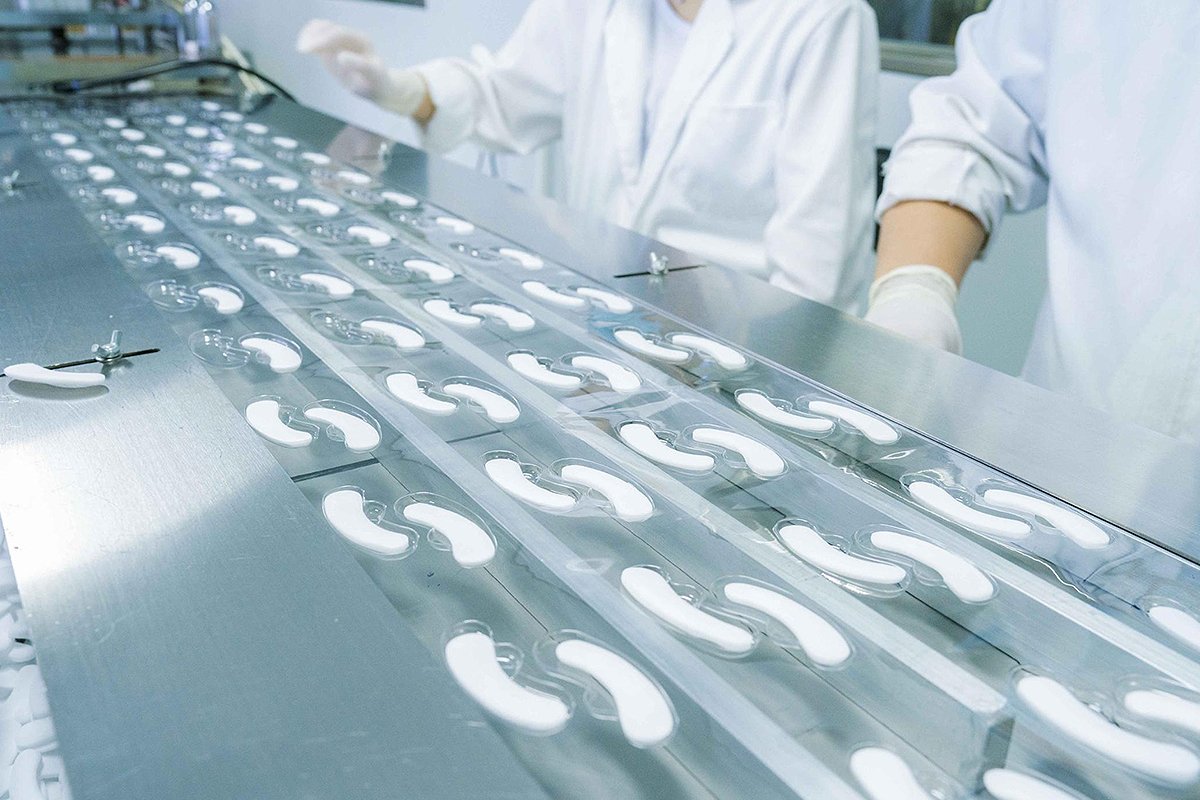
- Freeze-dried eye masks
- Freeze-dried facial masks
- Vial-and-activator systems
- Seven-day, fourteen-day or twenty-eight-day programs
Dual-component skincare
A dual-component system is useful when the brand wants to keep a selected active separate from the main liquid formula until use.
Possible combinations include:
- Freeze-dried active plus hydrating activator
- Dry PDRN or peptide component plus fermented essence
- Powder vial plus hyaluronic-acid solution
- Two-chamber packaging
- Single-dose active plus multi-use solvent
Dual-component products provide stronger differentiation, but they also increase packaging cost, production steps, stability testing, development time and the risk of incorrect consumer use.
Formula Stability: What Must Be Confirmed Before Bulk Production?
Neither PDRN nor an exosome-based ingredient should be described as stable until it has been tested in the final formula and final packaging.
Raw-material data may not represent the conditions inside the finished product, which can introduce variables such as:
- Formula pH
- Preservatives and surfactants
- Emulsifiers
- Botanical extracts
- Electrolytes and peptides
- Fragrance
- Manufacturing temperature
- Mixing time and shear
- Filling conditions
- Package headspace
- Light and shipping-temperature exposure
PDRN formula considerations
A PDRN formula should follow the selected supplier’s use-level, temperature, pH and addition-stage recommendations.
The OEM laboratory should evaluate:
- Whether the active should be added during cool-down
- Maximum suitable processing temperature
- Final formula pH
- Compatibility with the preservative system
- Color and odor changes
- Viscosity changes
- Precipitation or turbidity
- Packaging compatibility
- Microbial quality
- Accelerated and real-time stability
Exosome-based formula considerations
An exosome-based formula requires product-specific evaluation because commercial ingredient systems can differ considerably.
The project should confirm:
- Whether the ingredient is intended for a liquid formula
- Recommended addition temperature
- Whether high shear should be avoided
- Suitable pH range
- Compatibility with preservatives and surfactants
- Recommended package
- Storage requirements
- Whether separation from water provides a real advantage
- Whether freeze-drying is technically and commercially justified
- Whether claims match the available evidence
Cost, MOQ and Development Timeline
The main cost difference is created by the complete product system—not only by the price of the headline active.
A brand should calculate:
- Active raw-material cost
- Supporting formula cost
- Sampling and reformulation
- Packaging and decoration
- Stability and microbial testing
- Regulatory documentation
- Filling and assembly
- Freeze-drying where applicable
- Separate activator manufacturing
- Freight, importer and distributor margin
| Project factor | PDRN liquid serum | Exosome-based liquid concept | Freeze-dried or dual-component |
|---|---|---|---|
| Formula complexity | Medium | Medium to high | High |
| Packaging cost | Low to medium | Medium | High |
| Production stages | Conventional | Ingredient-dependent | Multiple preparation, filling, drying and assembly stages |
| Testing workload | Standard product-specific testing | More ingredient-specific | Dry component, activator and reconstitution testing |
| Launch speed | Faster | Moderate | Slower |
| Premium pricing potential | Medium to high | High | High |
At Shangpinhui Biotechnology Co., Ltd., conventional cosmetic projects commonly begin around 1,000 units. Selected projects using available stock packaging may be evaluated from approximately 500 units.
Mature liquid-formula samples can commonly be prepared in approximately 3–5 working days, while custom formula samples are generally developed within about 7 days, subject to raw-material availability and technical complexity.
Freeze-dried projects require project-specific MOQ and timing because the dry formula, activator, freeze-drying cycle, container, closure and reconstitution process must be developed as one complete product. Custom packaging commonly requires approximately 4–8 weeks, depending on the package and decoration method.
Documents and Testing Required Before Bulk Production
The brand should approve both the available raw-material dossier and the finished-product testing plan before bulk production begins.
Raw-material documents
Depending on the ingredient and target market, the supplier package should be reviewed for:
- Ingredient and labeling name
- Source declaration
- Product specification
- Certificate of Analysis
- SDS or MSDS
- Recommended use level
- Recommended pH and processing temperature
- Storage conditions
- Microbial limits
- Safety information
- Animal-origin, allergen or market-related declarations where relevant
- Available efficacy information
The available documentation varies by supplier. The dossier should be reviewed with the brand’s Responsible Person, safety assessor, importer, registrant or regulatory consultant.
Finished-product testing
A liquid serum project may require:
- Accelerated and real-time stability testing
- Microbial testing
- Preservative challenge testing where applicable
- Packaging compatibility
- pH and viscosity monitoring
- Color and odor evaluation
- Pump or dropper function testing
- Efficacy or consumer-use testing
- Market-specific safety documentation
A freeze-dried project may additionally require:
- Dry-cake, powder or sheet appearance
- Residual moisture
- Container-closure integrity
- Reconstitution time
- Reconstitution uniformity
- Final pH after activation
- Microbial quality of the activator
- Recommended post-activation use period
- Active-content testing where applicable
- Stability of the complete treatment system
How Is Freeze-Dried Skincare Manufactured?
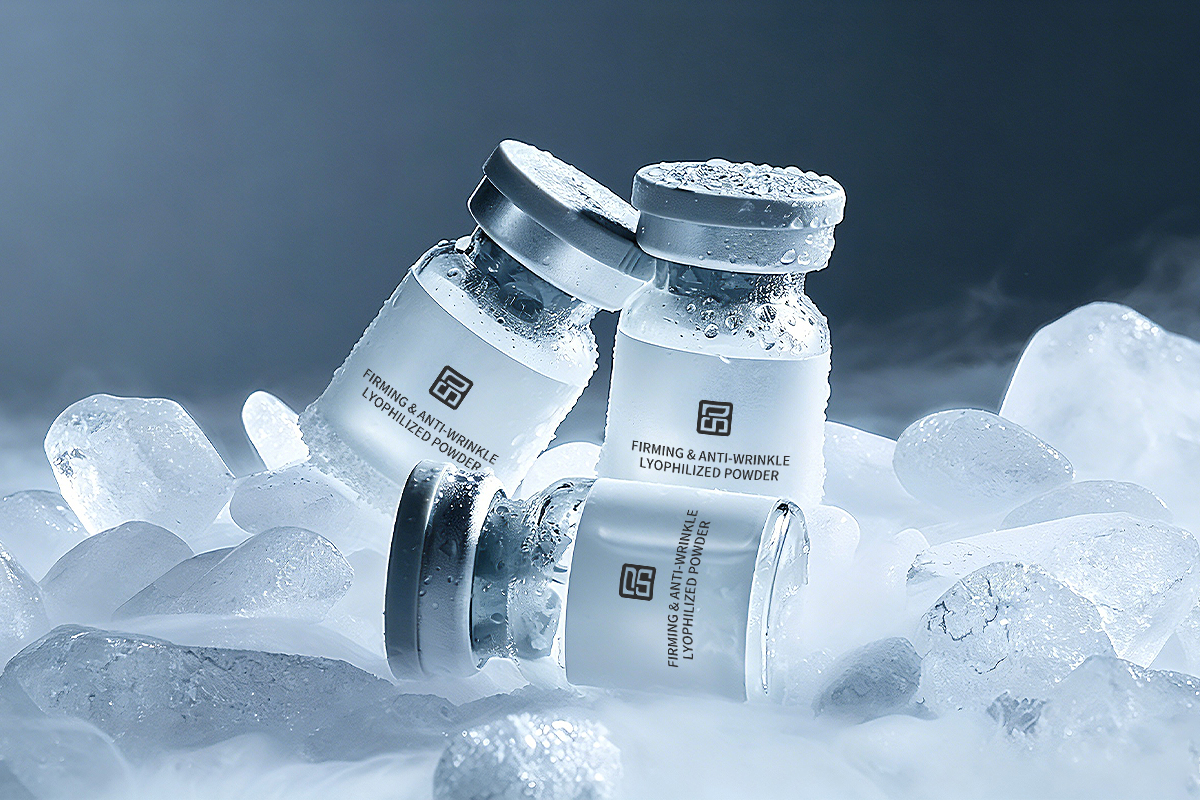
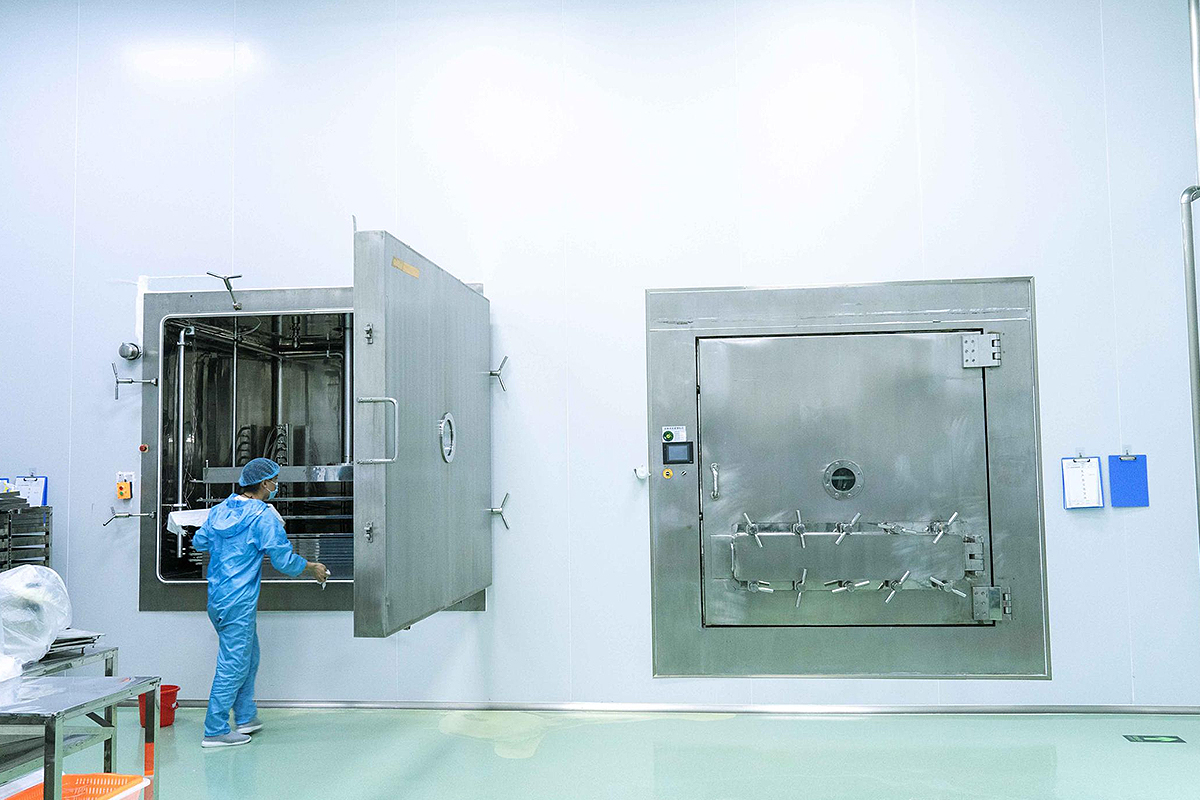
Freeze-dried skincare is produced by preparing and filling an active solution, freezing it completely, removing water through vacuum sublimation and secondary drying, and sealing the dry component for later reconstitution with a separate activator.
Freeze-drying includes three connected stages: freezing, primary drying through sublimation, and secondary drying through desorption.
Under vacuum, frozen water changes directly from ice into vapor without first passing through the liquid phase.
See the
FDA lyophilization process overview.
1. Prepare the active solution and activator
The freeze-dried solution may contain purified water, PDRN, peptides, collagen-related ingredients, vitamin derivatives, botanical extracts, hyaluronic acid, ceramide-related ingredients and moisturizing or soothing components.
Trehalose, mannitol, sodium hyaluronate or other compatible protective materials may be used to support the dry structure, reduce processing damage and improve reconstitution.
A separate activator containing ingredients such as hyaluronic acid, glycerin, panthenol, betaine, ectoin, amino acids or fermented extracts is prepared and filled independently.
2. Controlled filling and partial stoppering
The active solution is filled into suitable vials or dedicated containers under controlled clean conditions. The stopper is inserted partially so that water vapor can escape during vacuum drying.
3. Controlled pre-freezing
The filled product is frozen completely according to a cycle designed for the formula, fill volume, container and desired dry structure.
Many conventional cycles use temperatures around −40°C to −50°C. For selected projects, Shangpinhui’s equipment can support lower pre-freezing programs down to approximately −75°C, subject to formula and process requirements.
The objective is to achieve complete freezing, control ice-crystal formation, create a suitable porous structure and support efficient drying and reconstitution. The lowest temperature is not automatically the best for every formula.
4. Primary and secondary drying
Primary drying removes frozen water through sublimation. Secondary drying removes part of the remaining bound moisture.
A complete cycle may require approximately 24–48 hours, depending on formula composition, fill volume, container size, freezing profile, vacuum conditions and the target residual-moisture level.
The process cannot be accelerated simply by adding more heat. An unsuitable temperature curve can lead to collapse, melt-back, shrinkage, uneven drying or poor reconstitution.
5. In-chamber stoppering, testing and final assembly
After drying, the containers are fully stoppered inside the chamber and then sealed to reduce exposure to environmental moisture.
Quality-control checks may include:
- Dry-product appearance
- Residual moisture
- Microbial quality
- Active content where applicable
- Reconstitution time
- Uniformity after activation
- Final pH
- Container-closure integrity
- Package sealing
The activator is filled, sealed and tested separately before the dry and liquid components are assembled into one commercial product.
Which Option Fits Your Brand?
The most suitable route depends on the target market, price, channel, packaging budget and level of consumer education.
| Brand profile | Recommended starting direction |
|---|---|
| New e-commerce skincare brand | PDRN liquid serum |
| Accessible-premium anti-aging brand | PDRN serum or ampoule |
| Established serum brand seeking an upgrade | Higher-value PDRN, peptide or fermented combination |
| Prestige biotechnology brand | Carefully reviewed exosome-based concept |
| Professional beauty or intensive-care line | Freeze-dried powder with activator |
| Luxury eye-care brand | Freeze-dried eye treatment |
| EU or UK brand | Clearly identified non-human-origin route with complete safety documentation |
| China-market brand | Confirm ingredient identity and regulatory status before formulation |
| Brand targeting several markets | Select a route accepted by the most restrictive target market |
Shangpinhui Manufacturing Support
Shangpinhui Biotechnology Co., Ltd. supports conventional liquid skincare, freeze-dried products and dual-component treatment systems.
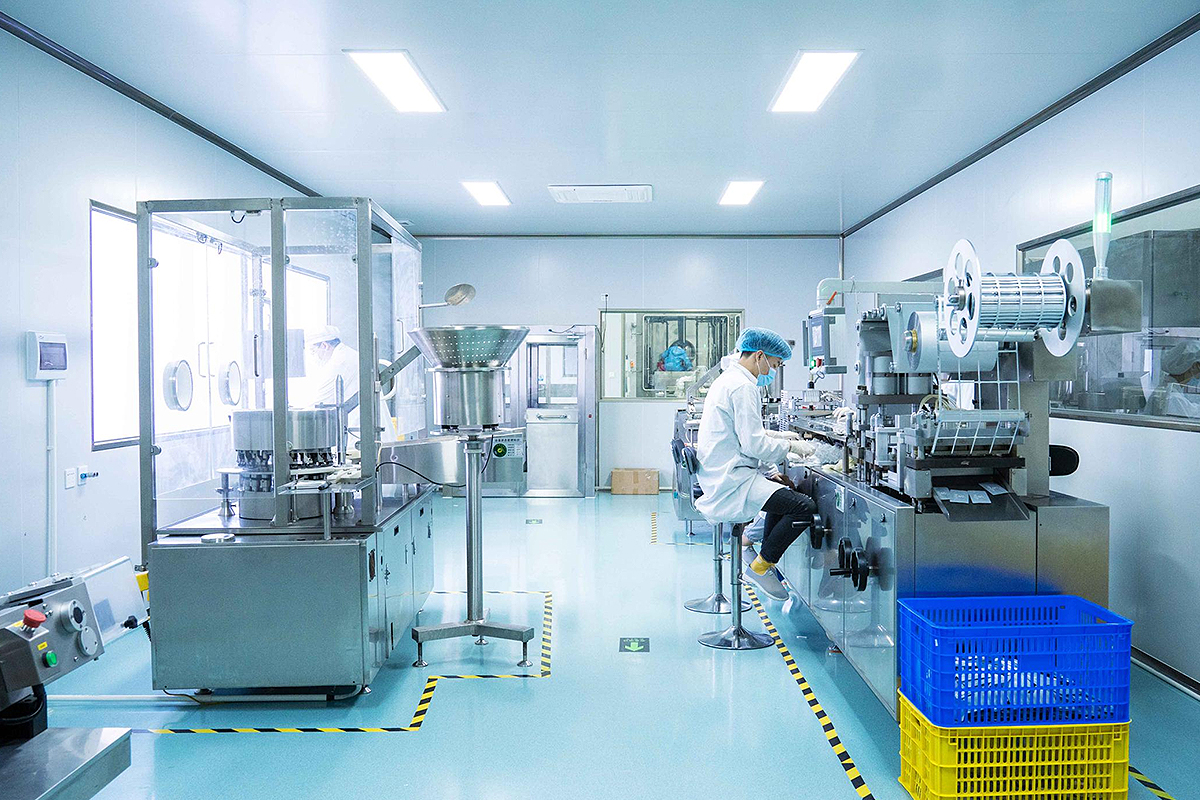
Our current freeze-drying production capabilities include:
- Four computer-controlled freeze dryers manufactured by Shanghai Tofflon
- Core equipment components sourced from Germany
- Two automated vial washing, treatment, filling and sealing lines
- Closed filling and transfer processes
- Class 100 controlled filling conditions
- Selected pre-freezing programs down to approximately −75°C
- Freeze-dried powder and cake production
- Freeze-dried eye-mask and facial-mask production
- Separate activator formulation and filling
- Capacity of up to 400,000 pairs per day for applicable freeze-dried eye-mask formats
Available product-development directions may include:
- PDRN liquid serum and ampoule
- PDRN eye serum and cream
- Selected exosome-based cosmetic concepts
- Freeze-dried PDRN powder with activator
- Freeze-dried peptide treatments
- Freeze-dried eye masks
- Freeze-dried facial masks
- Fermented activator essences
- Hyaluronic-acid activators
- Dual-component intensive-care sets
Shangpinhui Biotechnology Co., Ltd. operates four production bases covering approximately 45,000 m².
Our wider formulation and testing capabilities include:
- Fermentation technology
- Liposome delivery
- Nanoemulsion
- Microencapsulation
- Stability and microbial testing
- Packaging-compatibility evaluation
- Efficacy-testing coordination
- Laboratory sampling and pilot production
- Bulk-production scale-up
- COA, MSDS, CFS and LOA document support where applicable
The objective is not simply to place a trending ingredient into a standard base. The objective is to align the ingredient identity, target market, formula, processing conditions, packaging, stability, claims, retail price and bulk-production feasibility.
Conclusion: PDRN or Exosome-Based Skincare?
PDRN is the more practical starting point for most brands developing a conventional serum, ampoule, cream or eye product. Exosome-based skincare is more suitable for brands with a confirmed regulatory route, premium price position and sufficient development budget.
Choose PDRN when your priorities are:
- Faster development
- Familiar consumer use
- Standard packaging
- Controlled manufacturing costs
- Accessible-premium positioning
- Hydration, firming, anti-wrinkle or barrier-support claims
Consider an exosome-based concept when your priorities are:
- Biotechnology-led positioning
- Premium differentiation
- Professional or prestige channels
- Intensive-treatment formats
- Specialized packaging
- Higher retail pricing
- Stronger customer education
Consider freeze-drying when:
- The selected active benefits from separation from water
- The product can support an activation step
- The retail price can absorb specialist packaging
- Single-dose use provides commercial value
- The format strengthens the premium treatment story
Before choosing any route, confirm:
- Target market
- Exact ingredient identity
- Regulatory eligibility
- Cosmetic claims
- Finished-product format
- Testing plan
- Packaging budget
- Target retail price
- MOQ
- Launch timeline
The strongest product is not the formula with the longest active list. It is the product in which the ingredient, regulation, formula, manufacturing process, packaging, claims, price and customer expectations all support the same commercial position.
Frequently Asked Questions
Is PDRN easier to launch than exosome-based skincare?
PDRN is generally easier to develop into a conventional liquid serum, ampoule, cream or eye product. Exosome-based projects usually require closer review of the commercial ingredient, target-market status, claims, processing conditions, packaging and finished-product stability.
Can human-derived exosomes be used in EU cosmetics?
Cells, tissues or products of human origin are listed in Annex II of the EU Cosmetics Regulation. An EU cosmetic project should therefore use a different, legally reviewed ingredient route and confirm the complete formula with its Responsible Person and safety assessor.
Can PDRN and exosome-based ingredients be combined in one product?
They may be combined when the selected commercial ingredients, formula and target-market requirements are compatible. However, combining two premium concepts can raise costs and weaken the hero message. A two-tier product range or dual-component system may provide clearer positioning.
Is freeze-dried skincare always more stable than liquid skincare?
Not automatically. Freeze-drying may improve the storage practicality of selected actives by keeping them dry until activation, but stability still depends on the protective system, drying cycle, residual moisture, package integrity, activator and reconstitution method.
What documents and tests are needed before bulk production?
Brands should review the ingredient specification, COA, SDS or MSDS, source information, recommended use conditions, safety data and available target-market documents. Finished-product testing may include stability, microbial quality, preservative challenge, packaging compatibility, efficacy support and, for freeze-dried products, residual moisture, seal integrity and reconstitution testing.
Recommended Reading
Top 10 Private Label Eye Cream Manufacturers for Eye Care Brands
Top Private Label Face Serum Manufacturers for Skincare Brands
Private Label Serum Manufacturer: Formula, Packaging and OEM Guide
Polypeptide Cream OEM Manufacturer for Anti-Aging Skincare Brands