
Formulation Engineering Strategies for Lightweight, Sebum-Compatible Whitening Products
소개
Why Oily Skin Whitening Is More Complex Than It Seems
While we previously explored whitening strategies for acne-prone, sensitive, and dry skin types, oily skin presents a fundamentally different formulation challenge. Oily skin requires strict control of texture, pore compatibility, and long-term brightening stability—without heaviness, congestion, or rebound shine.
This article breaks down the formulation engineering logic behind high-performance whitening products designed specifically for oily skin, offering practical insights for OEM brand development.
Section 1 The Structural Constraints of Oily Skin
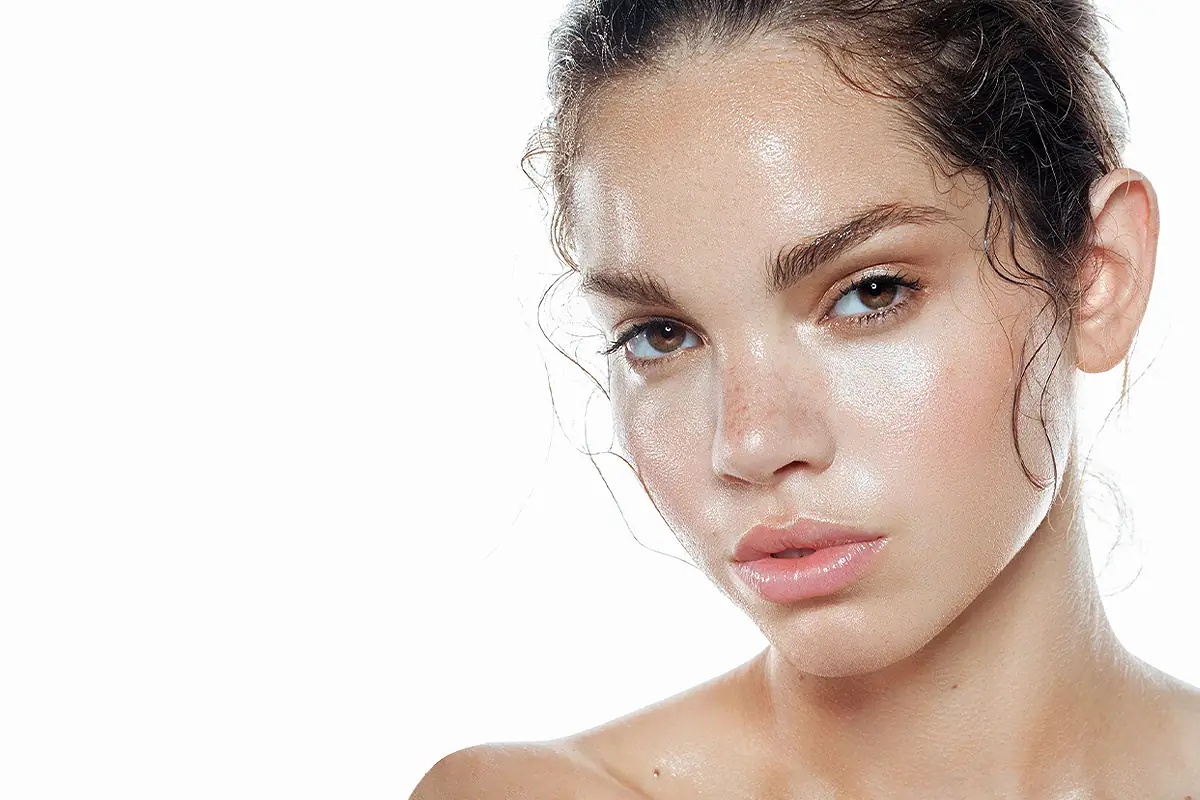
- Sebum overproduction leads to persistent shine, especially in high-temperature and high-humidity markets.
- Rapid oxidation of excess oil causes dullness, yellowing, and uneven tone.
- Pores are easily congested by thick or comedogenic ingredients, leading to blackheads and rough texture.
- Oily skin has low tolerance for heavy creams, sticky essences, or occlusive formulas.
- Active ingredients may degrade faster in oil-rich environments, reducing long-term brightening performance.
Section 2 Why Many Whitening Formulas Fail on Oily Skin
- Heavy emollients and high oil-phase ratios that clog pores and increase shine.
- Overuse of occlusive ingredients that trap sebum and worsen congestion.
- Thick cream textures designed for dry skin, which feel uncomfortable and unnatural on oily skin.
- Instability in tropical and high-humidity climates, leading to separation or discoloration.
- Overemphasis on short-term flash brightening rather than long-term melanin regulation.
It is critical to distinguish between oily skin and acne-prone skin here: oily skin ≠ acne-prone skin.
Oily skin is defined by excess sebum, shine, and dullness, but does not always include active breakouts or inflammation.
Acne-prone skin whitening formulations require additional anti-inflammatory and anti-breakout considerations
Section 3 The Core Design Logic: Lightweight Yet Functionally Stable
The foundation of successful oily skin whitening is a clear design principle:
Lightweight texture does NOT mean lower efficacy.
- Use low-oil and water-light emulsion systems to reduce greasiness.
- Adopt gel-serum architecture for fast absorption and clean finish.
- Build fast-absorbing active carriers to improve penetration without heaviness.
- Design sebum-balanced active release to maintain long-term effect.
- Prioritize long-term melanin regulation over temporary surface brightening.
Section 4 Ingredient Strategy for Oily Skin Whitening
4.1 Oil-Control Compatible Brighteners
4.2 Anti-Oxidation Support
4.3 Non-Comedogenic Emollients & Moisturizers
4.4 Sebum-Regulating Synergy Blends
Section 5 Texture Engineering: The Hidden Success Factor
- Excellent spreadability for effortless application.
- Fast absorption with no sticky or filmy residue.
- A lightweight, refreshing, and matte-smooth finish.
- Strong climate stability in high heat and humidity.
- Long-lasting shine control without tightness or dryness.
Section 6 Two OEM-Ready Formula Directions
Formula 1: Sebum-Balanced Brightening Gel
- For: Extremely oily, shine-prone skin
- Texture: Water-light, cooling, non-greasy gel
- Core advantages: Controls oil, refines pores, brightens gently, and delivers a fresh matte finish
Formula 2: Lightweight Long-Acting Serum Emulsion
- For: Oily but slightly dehydrated skin
- Texture: Fast-absorbing micro-emulsion
- Core advantages: Long-term brightening, high stability, comfortable wear, and no greasy buildup
Conclusion
Oily Skin Whitening Is About Balance, Not Removal
The goal is not to eliminate oil, but to design whitening formulas that remain lightweight, stable, and compatible with oily skin physiology.
Successful oily skin whitening does not rely on over-drying or oil-stripping. It depends on balanced formulation: regulating sebum, protecting pores, maintaining lightweight texture, and supporting long-term brightening stability.

 Korean
  English
  Uzbek
Uzbek  Kazakh
  Turkish
  Russian
  Arabic
  Spanish
  Portuguese
  French
  German
  Japanese