
소개
If a cleanser is the gateway to a skincare routine, the serum is the engine. For any beauty brand, the serum is the “hero product”—delivering visible results, commanding the highest price point, and driving customer loyalty.
Developing a high-performance serum is a technical challenge. A serum manufacturer must understand active ingredient stability, transdermal delivery, and bioavailability while meeting brand customization needs.
Why High-Performance Serums Matter
Serums combine high activity with high price, making them the most profitable SKU for brands. Advanced formulation expertise is required due to:
- Ingredient Stability: High-potency actives like Vitamin C, Retinol, peptides, and bio-fermented extracts degrade easily without proper encapsulation.
- Effective Absorption: Liposome and nano-delivery systems ensure actives penetrate the skin barrier efficiently.
- Targeted Efficacy: Whitening with Niacinamide or anti-aging with peptides requires demonstrated stability through shelf life.
Choosing the right serum manufacturer ensures both potency and consistency.
Core Technical-to-Commercial Solutions
Liposome Technology (Advanced Delivery)
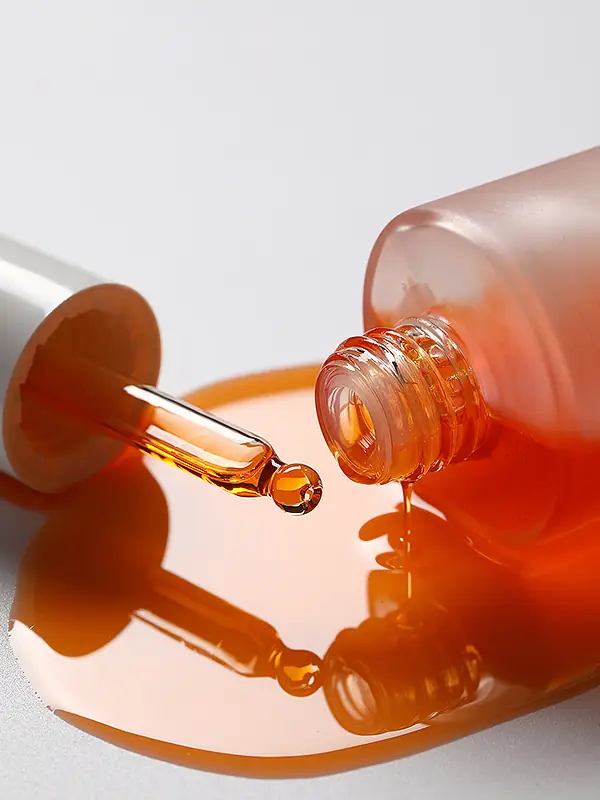
Sensitive ingredients like VC, Retinol, and peptides are wrapped in lipid vesicles. This protects them from oxidation and enables controlled, deeper delivery.
Bio-Fermentation Ingredients
Fermented extracts increase bioavailability and appeal to Clean Beauty-conscious consumers, delivering natural but potent results.
Custom Formulation
Brands can fine-tune viscosity (watery to oil-like), scent, and active percentages to match positioning.
Private Label (Ready-to-Go)
Pre-tested, high-stability formulas allow faster market entry, reducing R&D and stability testing requirements.
Curious about which approach is best? Read our guide on Private Label vs. Custom Formulation in Skincare.
Packaging: Protecting the Actives
Serum packaging is both functional and aesthetic:
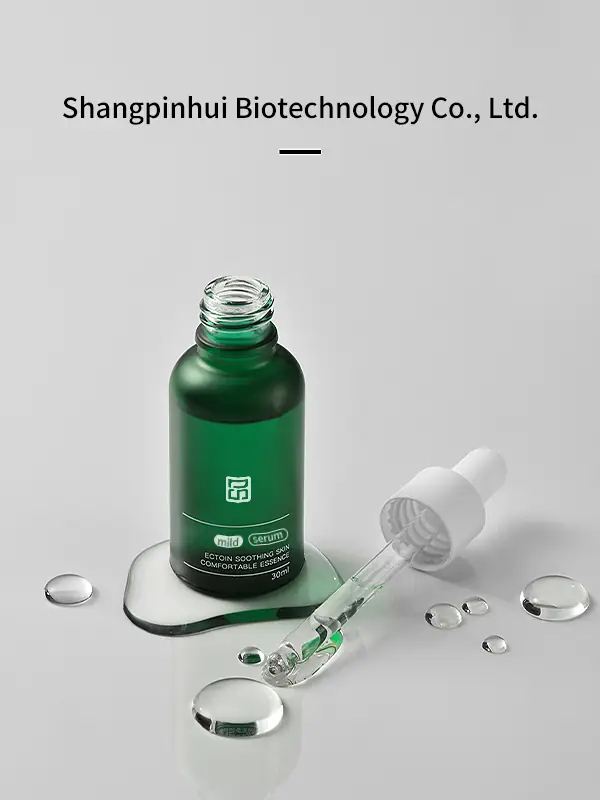
- Amber & Frosted Glass: Protects photosensitive actives like Retinol.
- Airless Pumps: Prevents oxidation by limiting air exposure.
- Dropper Bottles: Supports precise dosing and premium presentation.
Proper packaging ensures product stability and communicates brand value.
MOQ and Production Timelines
-
Serum development is more rigorous than basic skincare:
- Stability & Compatibility Testing: Ensures formula integrity and packaging compatibility.
- Minimum Order Quantity (MOQ): Flexible for standard formulas; higher for custom airless pumps or colored bottles.
- Timeline: Custom serum projects usually take 5–8 weeks, covering formula refinement, active sourcing, and final stability verification.
Professional Tip for Brand Owners: When evaluating serum samples from your potential manufacturer, don’t just look at the active ingredient list. Pay close attention to the sensory profile—how quickly it absorbs, whether it leaves a tacky residue, and how it interacts with other skincare layers. A high-performance serum should offer a seamless application experience that reinforces your brand’s premium positioning and encourages daily use.
Building Your Core Routine
Serums perform best as part of a system. Successful lines often pair a high-tech serum with a specialized cleanser.
Example: Amino Acid Cleanser + Vitamin C Serum creates a “Brightening Routine,” maximizing consumer satisfaction and repeat purchase.
Learn more in our Cleanser Manufacturer Guide.
Why Partner with Shangpinhui?
Shangpinhui bridges the gap between science-heavy formulations and market-ready products. Expertise includes:
- Liposomal delivery for high-potency actives
- Bio-fermentation actives for Clean Beauty and anti-aging
- Customization for Niacinamide, Peptides, VC, Retinol, and other targeted actives
Services: formula customization, packaging consultation, stability testing, production planning, and regulatory guidance.
FAQ
1. What is a serum manufacturer?
A company that develops and produces serum products for brands, supporting custom formulas, private label production, packaging, and stability assurance.
2. How long does it take to produce a custom serum?
Expect 6–10 weeks, including formula refinement, active ingredient sourcing, packaging confirmation, and stability testing.
3. What factors affect MOQ?
Formula complexity, active concentrations, packaging type, and customization level determine starting order quantities.
4. Can Shangpinhui handle high-potency ingredients?
Yes, including Vitamin C, Retinol, peptides, and bio-fermented extracts, with demonstrated stability and efficacy.
5. How does packaging influence serum performance?
Proper packaging (airless pumps, amber/frosted glass) protects actives from oxidation and maintains bioavailability.
Recommended Reading
- Private Label Facial Care Manufacturer
- Custom Skincare Development Timeline
- What Information Should You Prepare Before Asking for an OEM Quote?
- Private Label vs. Custom Formulation in Skincare

 Korean
  English
  Uzbek
Uzbek  Kazakh
  Turkish
  Russian
  Arabic
  Spanish
  Portuguese
  French
  German
  Japanese