
Quick Answer
The top sunscreen manufacturers in Australia include We Are Feel Good Inc, Wildchild, Ultra Violette, Blue Lizard Australian Sunscreen, Sunbutter Sunscreen, Veganicskn, and Wotnot Naturals. These companies cover lifestyle SPF, mineral sunscreen, skincare-inspired daily sun care, reef-conscious formulas, vegan sunscreen, and natural family sun care. For brands that need broader OEM/ODM support, larger formula libraries, packaging flexibility, or export-ready compliance documentation, a China-based sunscreen OEM such as Shangpinhui Biotechnology Co., Ltd. — with 3,000+ ready formulas, GMP/GMPC/ISO 22716/FDA certification, and a dedicated global compliance team — is also a serious option worth considering.
Australia has one of the highest rates of skin cancer in the world — which is exactly why sunscreen culture here runs deeper than almost anywhere else. That shapes everything: the way consumers read SPF labels, the standards manufacturers are held to, and the expectations brands need to meet before a product earns real trust in this market.
If you’re looking for a sunscreen manufacturer in Australia, the challenge isn’t just finding a supplier. It’s finding one that matches your formula direction, brand positioning, compliance needs, and target customer. Some Australian sunscreen companies are especially strong in mineral sunscreen, natural sun care, reef-conscious positioning, family sunscreen, or skincare-inspired facial SPF. Others are better suited for contract manufacturing, private label development, or product testing support.
In this guide, we compare 7 sunscreen manufacturers and brands in Australia — what each does well, and which type of brand they fit best. We also add a practical comparison between Australian manufacturers and China-based sunscreen OEM partners, because for many international brands, geography alone isn’t the right filter.
For a broader global supplier view, you can also check our guide to private label sunscreen manufacturers, which covers OEM/ODM partners from different regions.
At-a-Glance: Top 7 Sunscreen Manufacturers in Australia
| # | Manufacturer | Location | Main Positioning | Product Focus | Best For |
|---|---|---|---|---|---|
| 1 | We Are Feel Good Inc | Dunsborough, WA | Lifestyle sunscreen brand | All-rounder sunscreen, daily sun care | Outdoor lifestyle and skin-friendly SPF positioning |
| 2 | Wildchild | Perth, WA | Contract sunscreen manufacturing | Body sunscreen, tanning oil, natural & organic sunscreen | Brands needing formulation, testing, and production support |
| 3 | Ultra Violette | Cremorne, VIC | Modern skincare-sunscreen brand | Facial SPF, skincare-inspired sunscreen | Premium, beauty-driven SPF product positioning |
| 4 | Blue Lizard Australian Sunscreen | Australia / US market presence | Dermatologist-recommended mineral sunscreen | Mineral sunscreen, family sun care | Sensitive skin, mineral SPF, and family sunscreen |
| 5 | Sunbutter Sunscreen | Victoria, AUS | Reef-conscious and sustainable sunscreen | SPF50 water-resistant sunscreen, reusable packaging | Eco-focused and ocean-conscious sunscreen brands |
| 6 | Veganicskn | Queensland, AUS | Vegan and organic private-label sunscreen | SPF50 sunscreen, zinc sunscreen, organic formulas | Vegan, organic, ingredient-focused sunscreen brands |
| 7 | Wotnot Naturals | Sydney, NSW | Natural and family skincare | Natural sunscreen, baby sunscreen, SPF skincare | Natural, family-friendly, baby and sensitive-skin sunscreen |
Quick reference only. SPF testing requirements, claims, regulatory status, MOQs, and manufacturing support should always be confirmed directly with each manufacturer before starting a project.
Here’s a closer look at each of the 7 manufacturers and brands — what they do well, and which type of brand or project they’re likely to suit.
1. We Are Feel Good Inc — Best for Outdoor Lifestyle Sunscreen Positioning
Year Founded: 2016
Location: Dunsborough, Western Australia
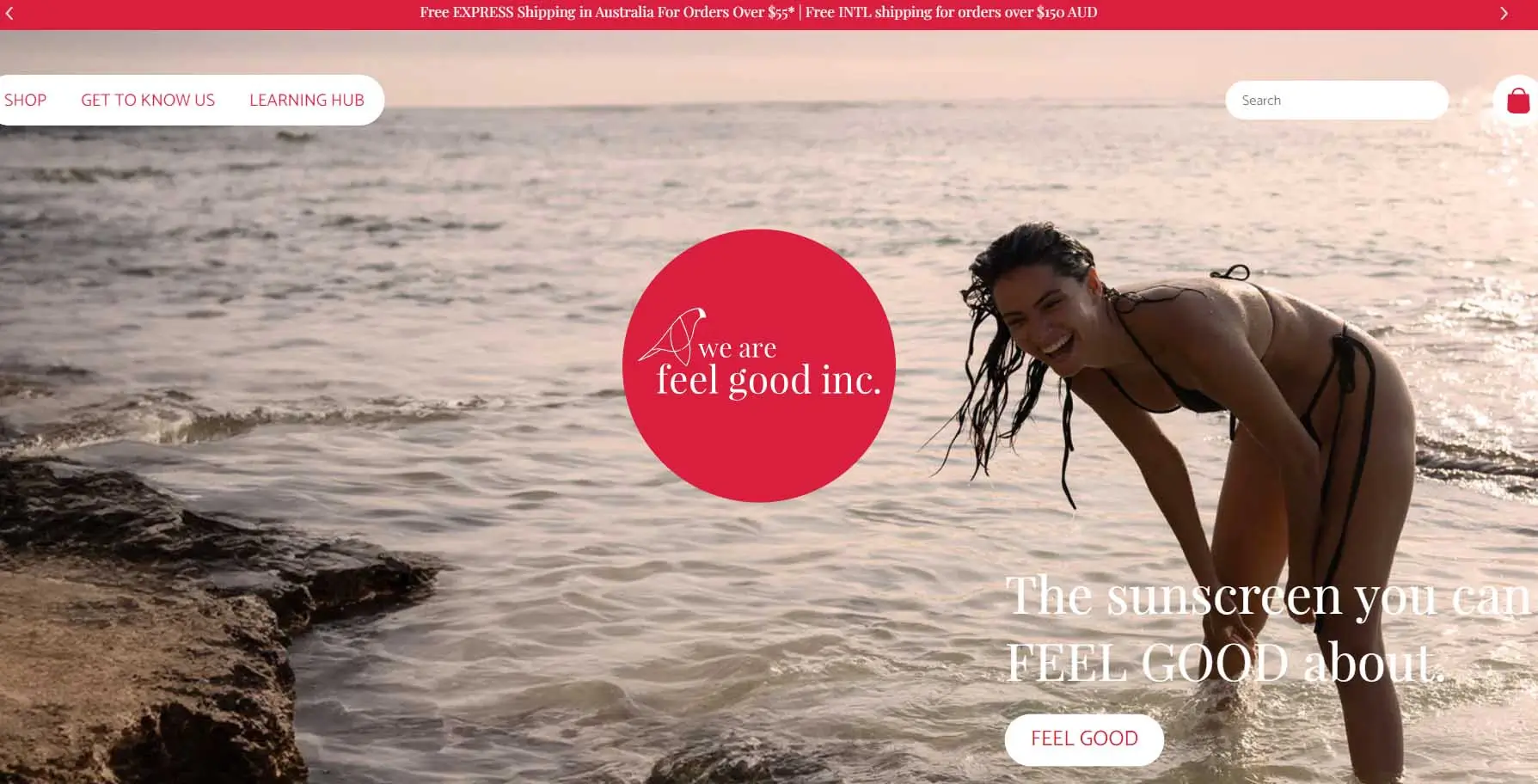
We Are Feel Good Inc came out of a genuine outdoor and skincare background. The brand is built around comfort, daily wear, and active sun exposure — which gives it a distinctly Australian feel: practical, relaxed, and skin-forward rather than clinical.
Main Product: Best all-rounder sunscreen
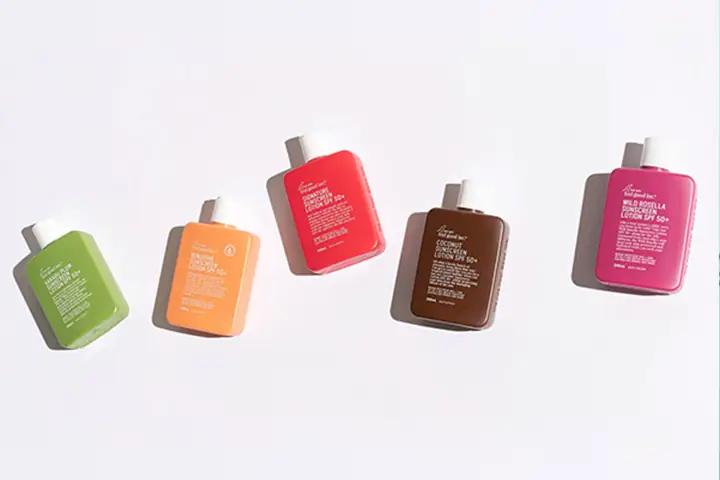
If you’re building a sunscreen brand in this space, We Are Feel Good Inc is a useful example of how SPF can move beyond pure protection and become part of a daily ritual. Their identity works especially well for outdoor, beach, travel, and family-oriented sun care positioning — the kind of product people reach for without thinking twice.
2. Wildchild — Best for Contract Sunscreen Manufacturing Support
Year Founded: 1997
Location: Perth, Western Australia
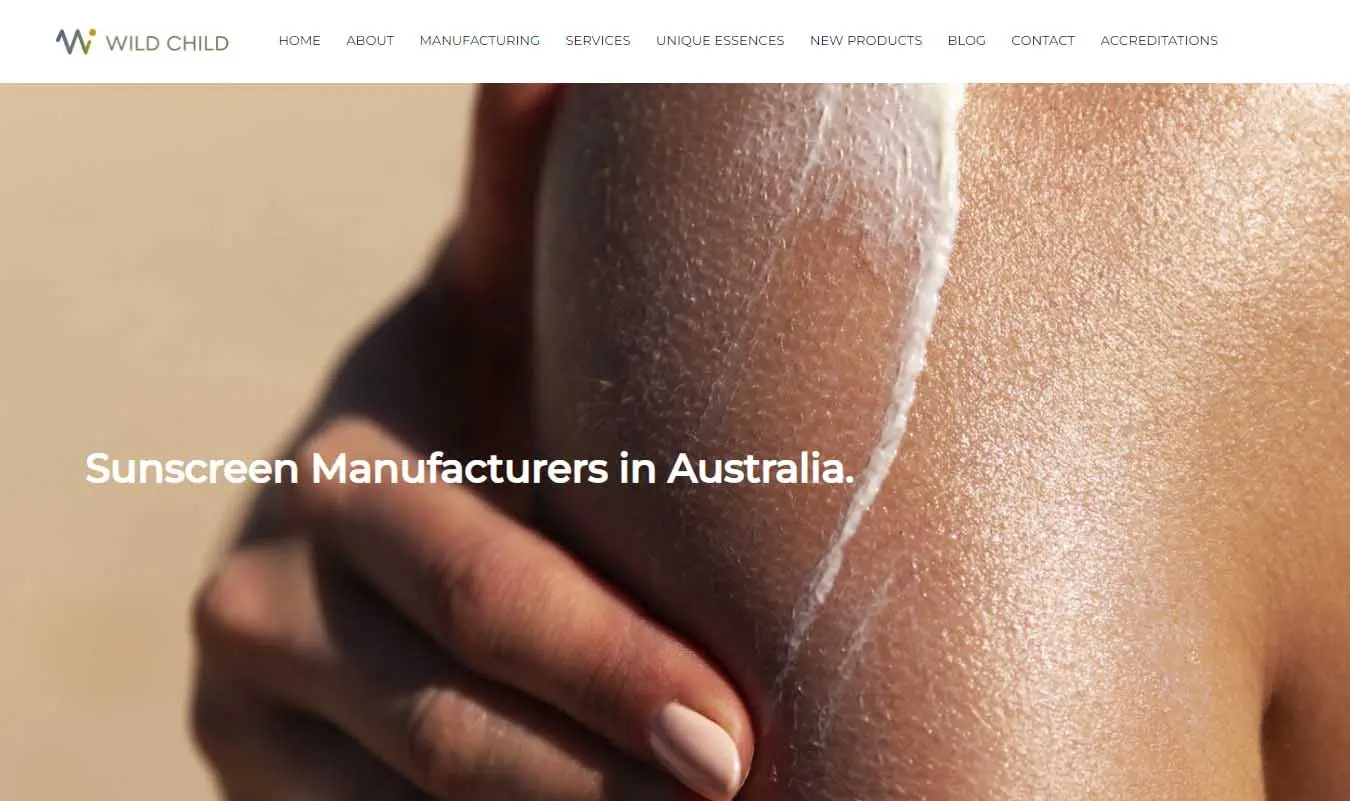
Wildchild sits closer to the manufacturing side of the market than most names on this list. With experience in formulation, testing, production, and packaging, they’re more directly useful for brand owners who need a real manufacturing partner — not just a product to reference.
Main Product: Body sunscreen and tanning oil
Wildchild may be a practical option if you’re developing natural sunscreen concepts, organic-positioned formulas, or body sun care products in Australia. That said, SPF testing, claims approval, MOQ, packaging, and compliance support should all be discussed clearly before committing to any private label project.
3. Ultra Violette — Best for Modern Skincare-Inspired SPF Positioning
Year Founded: 2019
Location: Cremorne, Victoria
Ultra Violette turned facial sunscreen into something people actually want to wear every day — which is harder than it sounds. Their “skinscreen” concept bridges the gap between serious SPF protection and skincare aesthetics: lightweight textures, elegant finishes, products that sit well under makeup and don’t leave your face looking white.
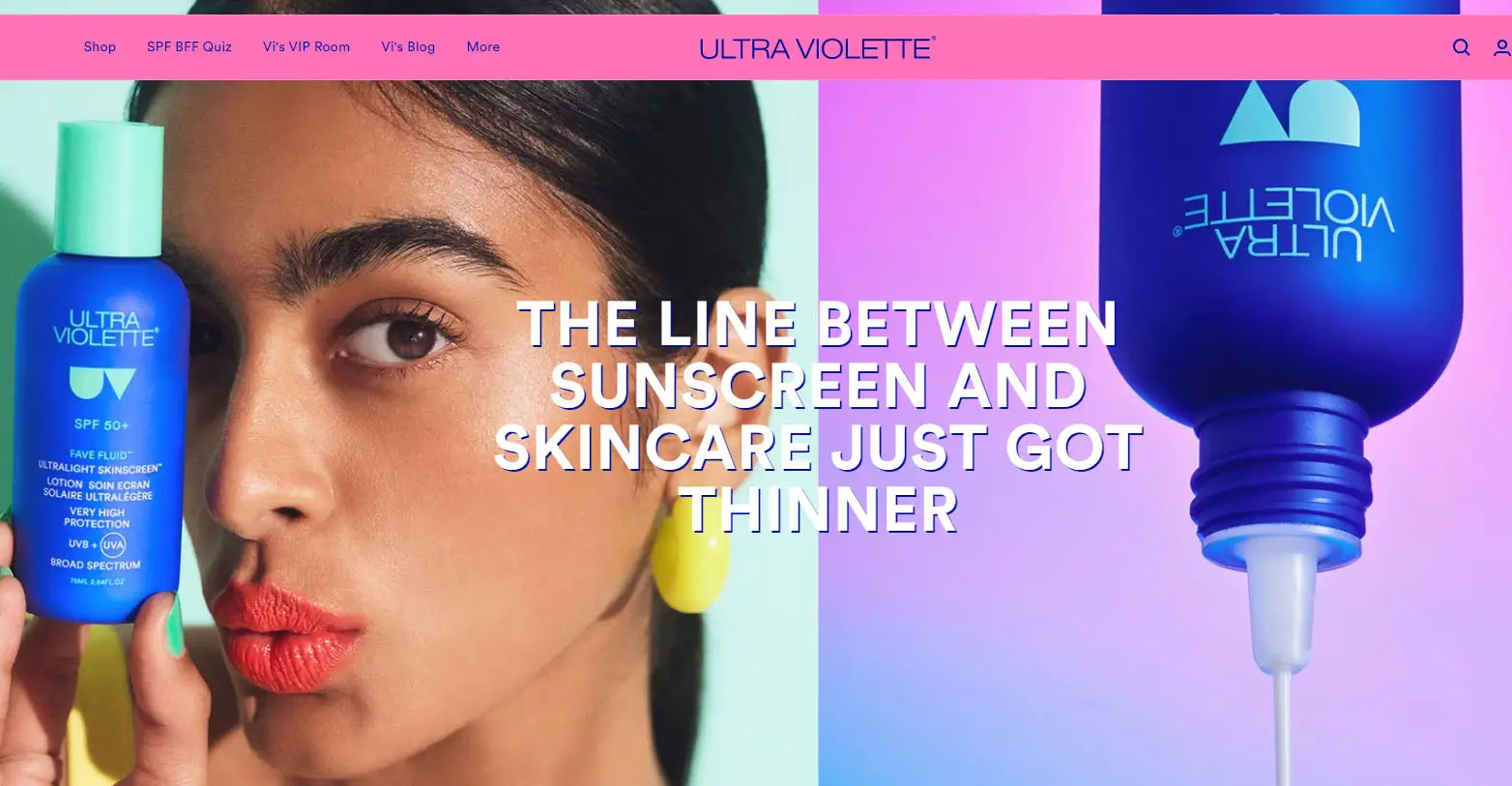
Main Product: Facial sunscreen and skincare-inspired SPF
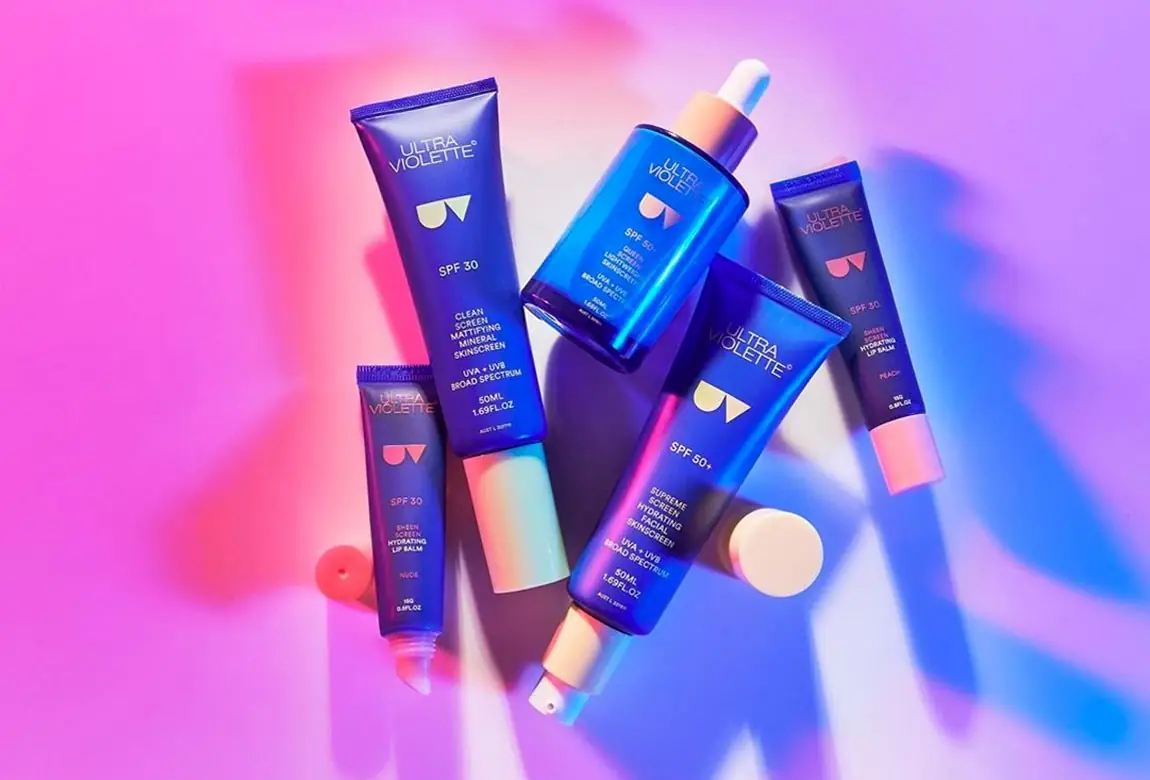
This approach works particularly well for premium sun care brands where texture, finish, and daily-use experience matter as much as the SPF number. If your product concept is closer to skincare than beach sunscreen, Ultra Violette is a useful benchmark to study.
4. Blue Lizard Australian Sunscreen — Best for Mineral and Family Sunscreen
Year Founded: 1998
Location: Australia
Blue Lizard has built its reputation on a simple, trustworthy message: mineral sunscreen, recommended by dermatologists, suitable for the whole family. It’s the kind of brand parents pick up without much deliberation — and that kind of earned trust is genuinely hard to replicate.
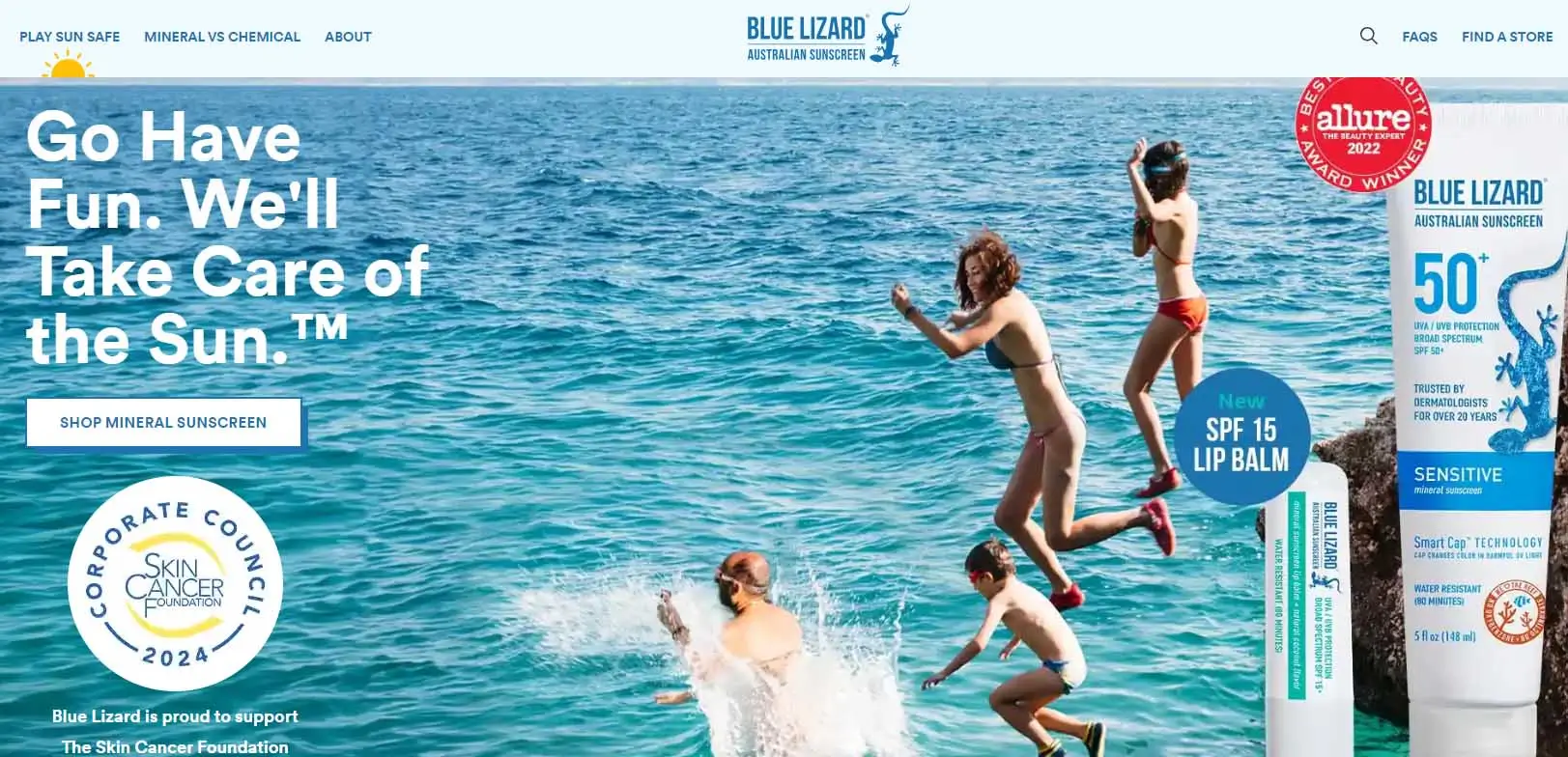
Main Product: Dermatologist-recommended mineral sunscreen
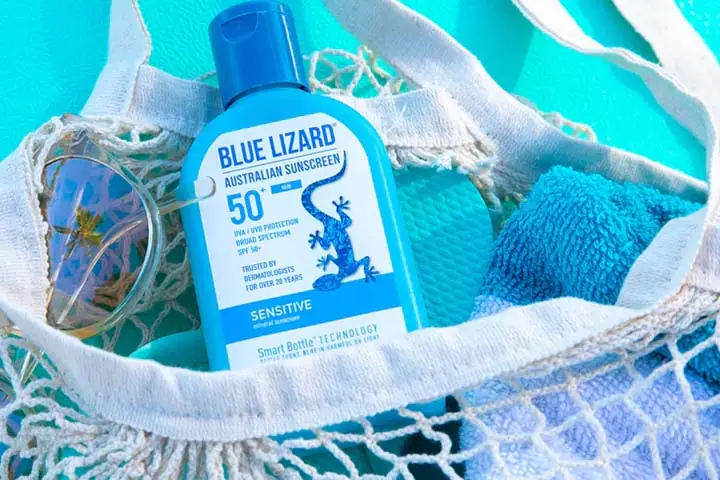
Blue Lizard is a solid reference for brands positioning around safety, reliability, and family accessibility. Mineral filters, sensitive-skin formulations, and reef-conscious ingredient choices are all areas that more sunscreen buyers now actively look for — and Blue Lizard has been consistent on all three.
5. Sunbutter Sunscreen — Best for Reef-Conscious and Sustainable Sun Care
Year Founded: 2009
Location: Victoria, Australia
Sunbutter leads with an environmental mission, and it shows throughout the product line. Reef-conscious formulas, reusable packaging, and a strong ocean-protection narrative are at the center of everything they do — not added as an afterthought.
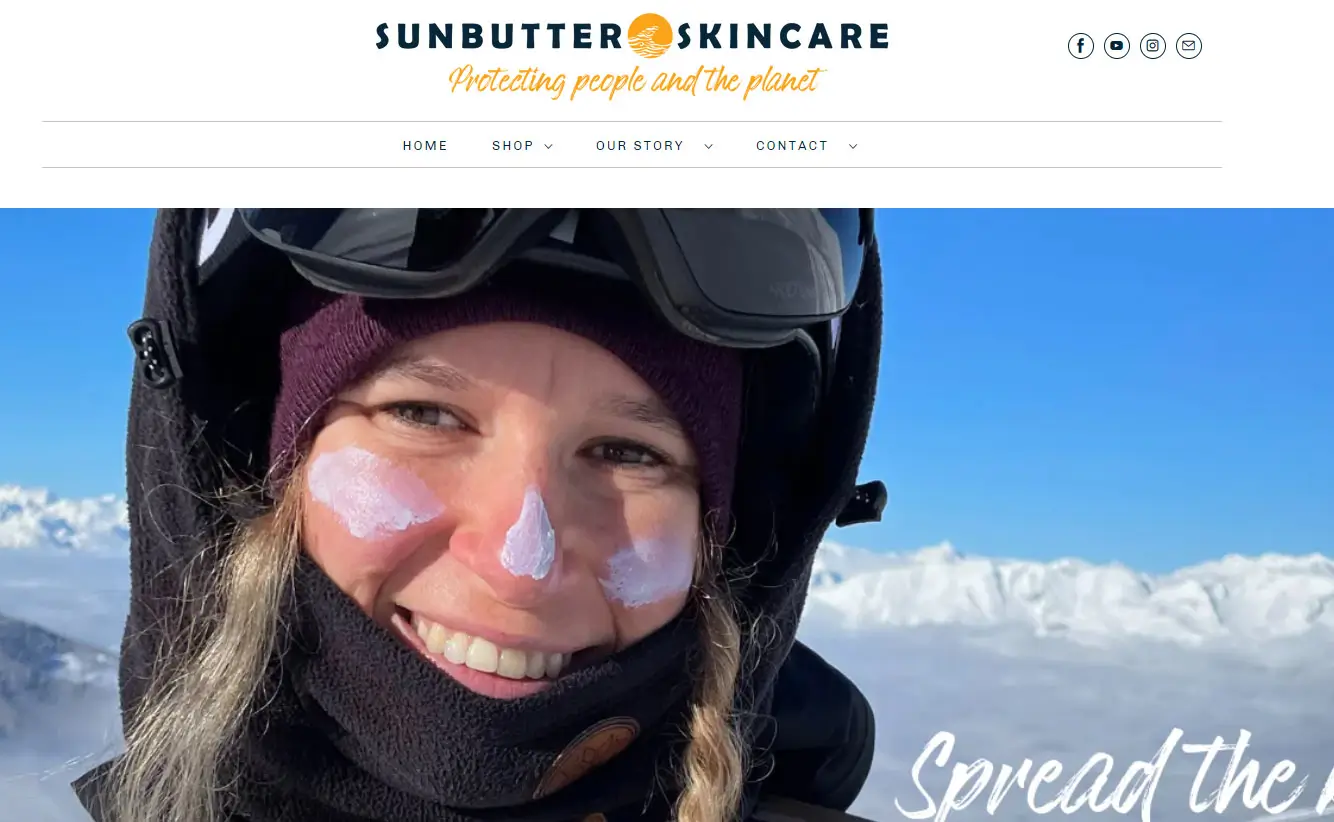
Main Product: SPF50 water-resistant reef-conscious sunscreen
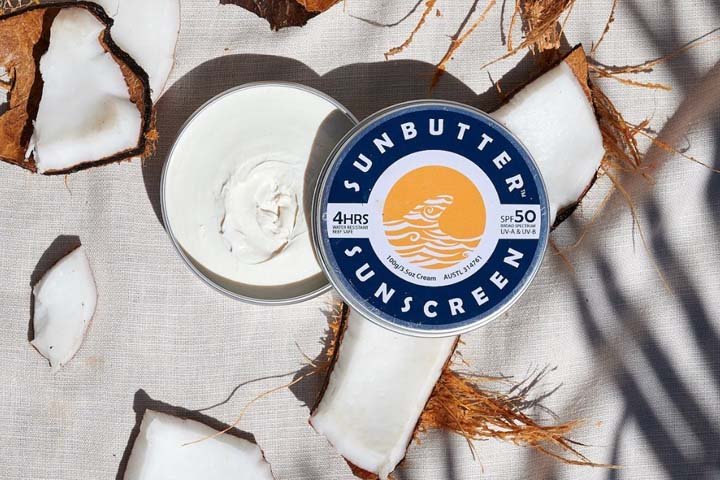
For eco-conscious brands, Sunbutter is a strong reference. The honest trade-off is cost — sustainable packaging, natural-only ingredient lists, and reef-conscious positioning tend to raise manufacturing costs, so this direction usually works better for brands that aren’t competing purely on price.
6. Veganicskn — Best for Vegan and Organic Private Label Sunscreen
Year Founded: 2020
Location: Queensland, Australia
Veganicskn sits at the intersection of vegan claims, organic ingredients, and private label flexibility. It’s particularly relevant for brands that want ingredient transparency, zinc-based SPF, and a formulation philosophy that can genuinely support vegan or natural claims.
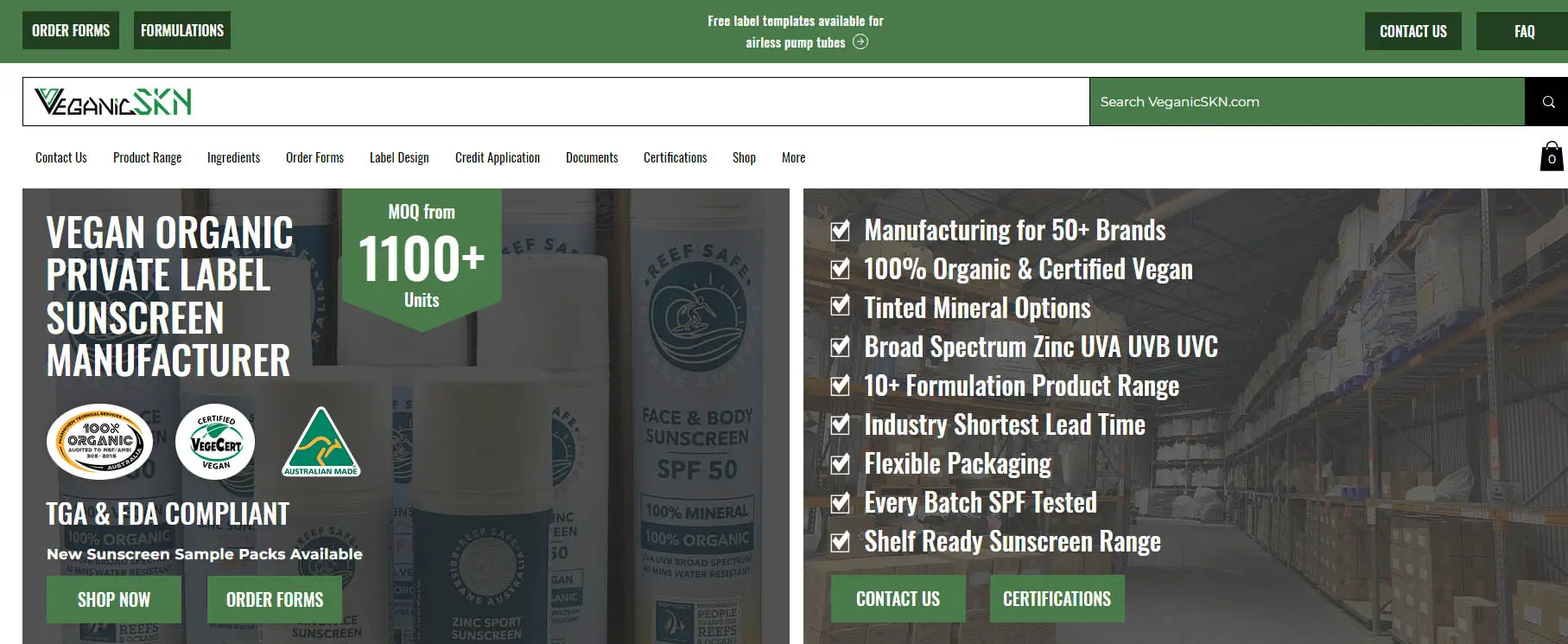
Main Product: SPF50 sunscreen and zinc sunscreen
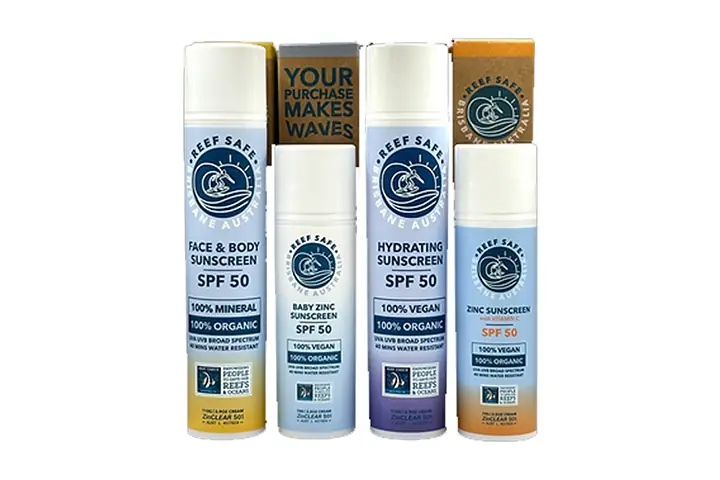
This is a direction worth considering if you’re building a vegan sun care line or an ingredient-led skincare brand that extends into sun protection. As always: confirm MOQ, product claims, certification documentation, and formula availability before moving forward.
7. Wotnot Naturals — Best for Natural, Family-Friendly Sunscreen
Year Founded: 2004
Location: Sydney, New South Wales
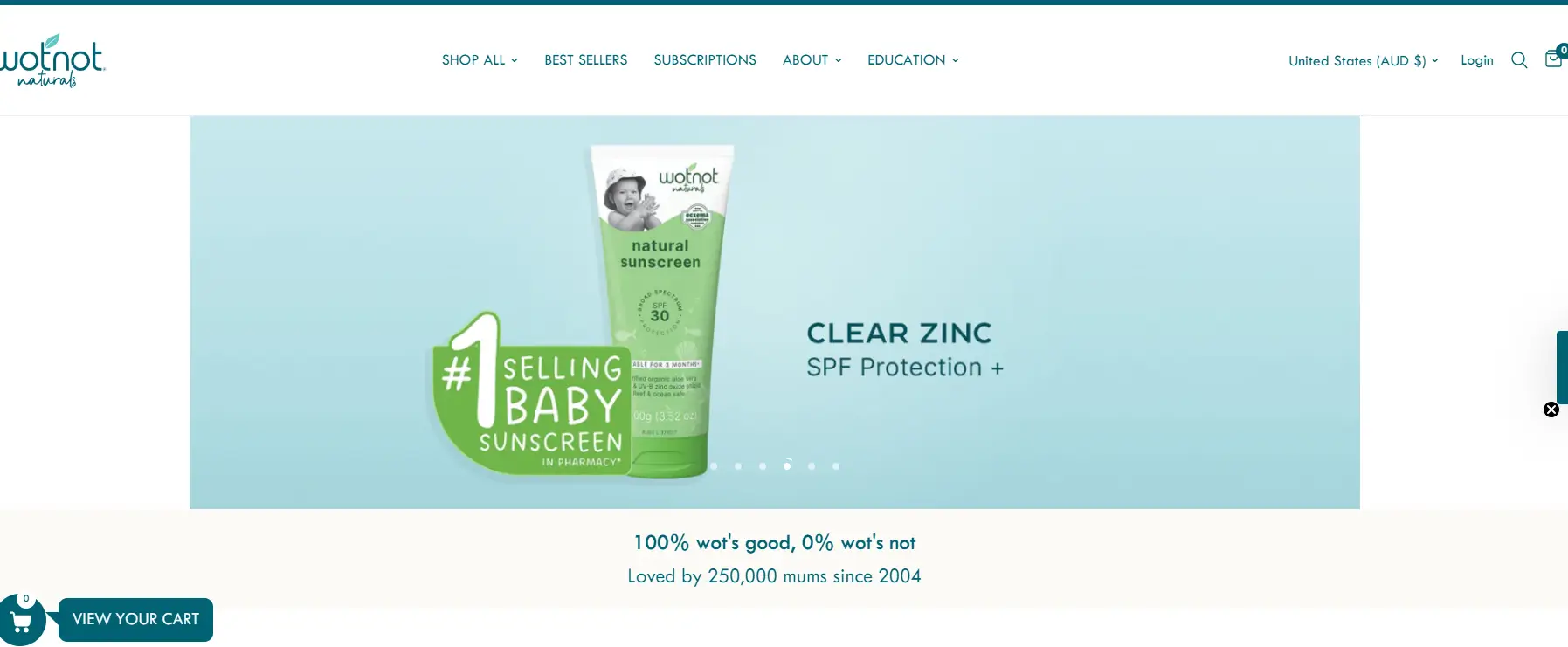
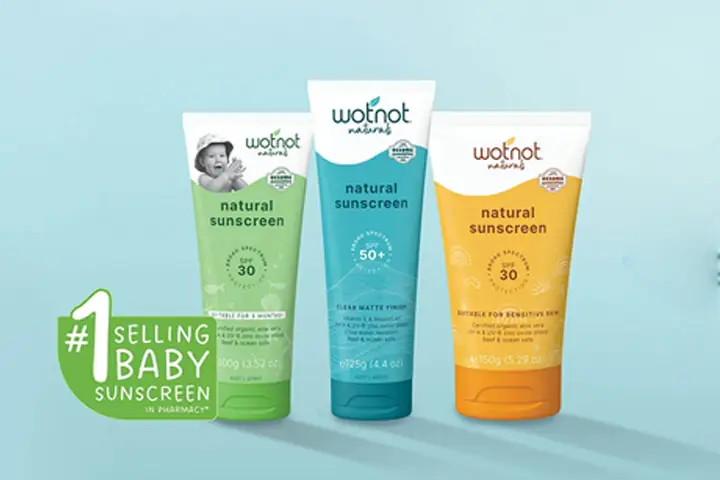
Wotnot Naturals has spent two decades building trust around natural skincare for families — and their sunscreen sits squarely within that identity. Baby sunscreen, sensitive-skin formulas, and natural SPF are all areas where the brand has established real credibility.
Main Product: SPF skincare, BB cream with SPF, and natural baby sunscreen
Wotnot is worth looking at if your brand concept is built around gentleness, family safety, and natural ingredients. This positioning tends to perform well when the brand can clearly communicate ingredient transparency, daily suitability, and honest safety credentials — not just a “natural” label.
5 Things Worth Checking Before You Choose a Sunscreen Manufacturer
Regulatory category and compliance: In Australia, sunscreen is a regulated therapeutic good — not a general cosmetic. SPF claims, active ingredient concentrations, and product registration requirements under the TGA (Therapeutic Goods Administration) are significantly more demanding than for standard skincare. Confirm your product’s regulatory category and what testing and documentation it needs before you even start looking at formulas.
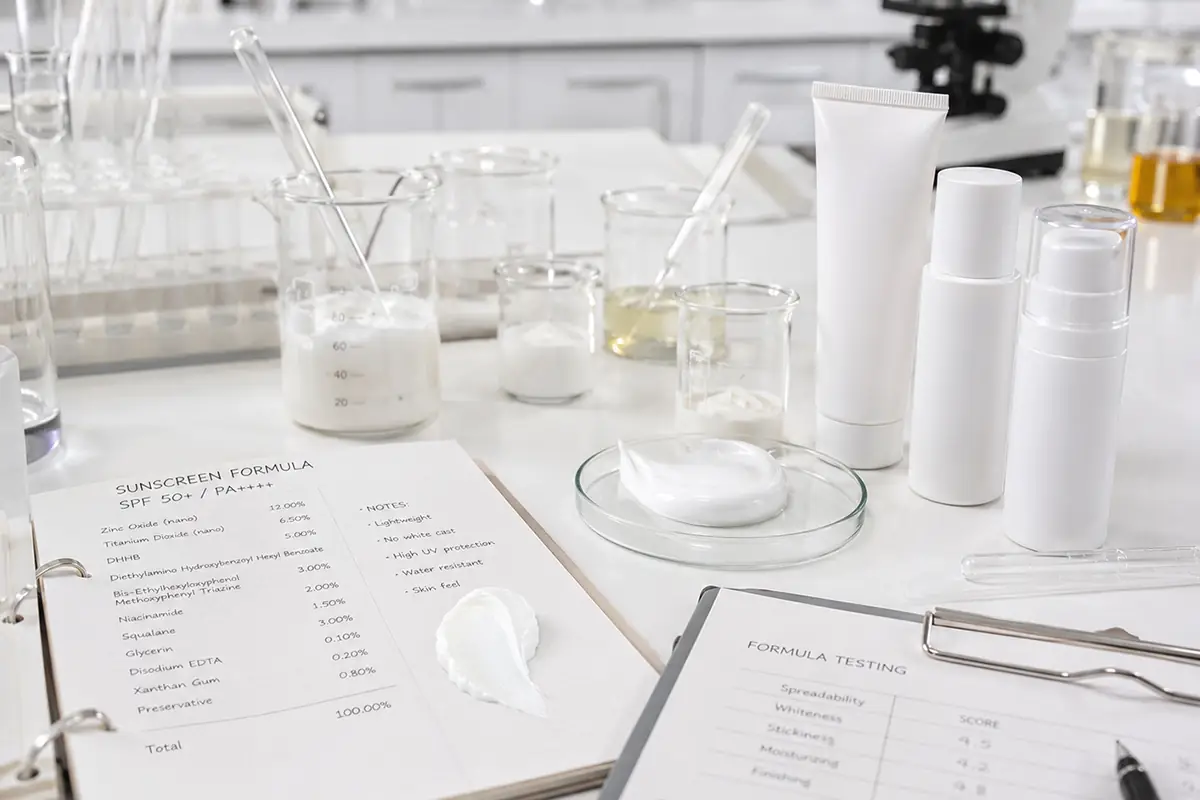
Sunscreen-specific expertise: SPF products require more testing and documentation than most skincare categories. Ask directly whether the manufacturer has handled therapeutic sunscreen registration, SPF in-vivo or in-vitro testing, and active filter compliance — not just cosmetic sunscreen production.
Sustainability and ingredient transparency: Many sunscreen consumers now actively look for reef-conscious claims, mineral-only filters, vegan formulas, and reduced packaging waste. If any of these are part of your brand story, verify that the manufacturer can genuinely support them — in both the formula and the packaging — not just on a spec sheet.
Documentation for export: If you’re selling beyond Australia, documents like MSDS, COA, CFS, and LOA may be required depending on the target market. Confirm early whether the manufacturer can provide these, and what format each destination market needs.
Communication before and during production: Sunscreen projects involve more back-and-forth than most skincare categories — testing rounds, claim approvals, stability results. A supplier who is slow to respond or vague about timelines will cost you time and money. Pay attention to how they communicate in the early conversations, because that’s what production will look like too.
If this is your first sunscreen or skincare project, it’s also worth reading through how to choose a skincare OEM manufacturer for a new brand before contacting suppliers.
Australian Sunscreen Manufacturers vs. China Sunscreen OEM: A Practical Comparison
The right answer here isn’t always obvious, and it depends on your target market, compliance needs, formula expectations, and how ambitious your product line is going to be. Here’s a quick way to think through it.
| If your priority is… | Australia may fit better | China may fit better |
|---|---|---|
| Australian local market positioning | Strong fit — local compliance familiarity, Australian SPF identity, local retail channels | Possible, but TGA registration and claim requirements need careful planning |
| Private label cost control | Good for local supply; less flexible for budget-sensitive or high-volume projects | Generally stronger on cost efficiency, packaging variety, and scalable OEM production |
| Formula variety and category expansion | Strong for sunscreen-focused SKUs and Australian SPF concepts | Strong for building full product lines — sunscreen, facial care, body care, baby care, functional skincare |
| Export-oriented documentation | Depends on each manufacturer’s export experience | Strong with the right supplier — CFS, LOA, MSDS, COA, and market-specific documentation support |
| Advanced formulation | Good for SPF-specific development and local expertise | Strong for sunscreen combined with hydration, barrier repair, brightening, anti-aging, or sensitive-skin positioning |
Australian manufacturers make the most sense when your primary goal is the local market, a strong “Made in Australia” identity, or proximity to your retail distribution. They understand local sun care culture and TGA compliance in ways that take time to replicate from overseas.
That said, if you’re building for international distribution, planning a broader skincare line beyond sunscreen alone, or need packaging and formula flexibility that smaller local factories can’t always provide, a China-based OEM partner is worth putting on the shortlist. China’s cosmetics supply chain is mature, formula libraries are deep — manufacturers like Shangpinhui Biotechnology carry 3,000+ ready-to-use formulas across skincare categories — and export documentation experience is genuinely strong for brands targeting the US, EU, Middle East, and Southeast Asia.
For brands comparing China-based suppliers more broadly, our guide to top beauty product manufacturers in China for private label brands covers a wider range of manufacturer types beyond sunscreen alone.
If sunscreen is part of a larger facial skincare line, you can also look at our private label facial care manufacturer page for context on how daily SPF, serums, creams, and cleansers can work together as a full product strategy.
Can’t Find the Right Sunscreen Manufacturer in Australia?
Finding a sunscreen manufacturer in Australia that checks every box — flexible OEM/ODM, multiple SPF formats, custom packaging, and export documentation — can take longer than expected. For some projects, a China-based sunscreen OEM is simply the more practical path.
Shangpinhui Biotechnology Co., Ltd. supports private label sunscreen and skincare OEM/ODM projects from formulation through to export-ready finished product. With 3,000+ ready formulas, GMP/GMPC/ISO 22716/FDA certification, and a dedicated compliance team covering CFS, LOA, MSDS, and COA documentation for any target market, they’re a realistic option for brands developing daily sunscreen, SPF lotions, sunscreen sprays, moisturizing sun care, or skincare-inspired SPF lines.
If your concept involves efficacy claims beyond basic sun protection — barrier support, brightening, anti-aging, or sensitive-skin positioning — it’s worth reviewing our advanced formulation technologies page before finalizing your formula direction.
Before requesting a sunscreen OEM quote, it also helps to have a few things prepared: target market, SPF level, product format, packaging preference, estimated volume, and any specific claims. Our guide on what to prepare before asking for an OEM quote can make the first conversation considerably more efficient.
Conclusion
The seven sunscreen brands and manufacturers above cover a real range — lifestyle SPF, contract manufacturing, mineral sun care, reef-conscious formulas, vegan positioning, and natural family skincare. None of them is the right answer for every project, which is exactly the point.
If your primary goal is Australian local retail or a genuine “Made in Australia” SPF identity, a local manufacturer or established Australian brand is the natural starting point. If you’re building for international distribution, need formulation depth across multiple categories, or want an OEM partner that can handle the full compliance paperwork for your export markets, a China-based sunscreen OEM is a legitimate alternative — not a compromise.
If you’re still weighing options, our broader guide to private label sunscreen manufacturers covers suppliers from multiple regions and may help you get to a clearer comparison before you make a decision.

 French
  English
  Uzbek
Uzbek  Kazakh
  Turkish
  Russian
  Arabic
  Spanish
  Portuguese
  German
  Japanese
  Korean